Women cycling in London: how to make us feel safe
Whilst harassment, unsafe routes, and intimidation push many women off the road, JoyRiders is giving them back the confidence to ride.
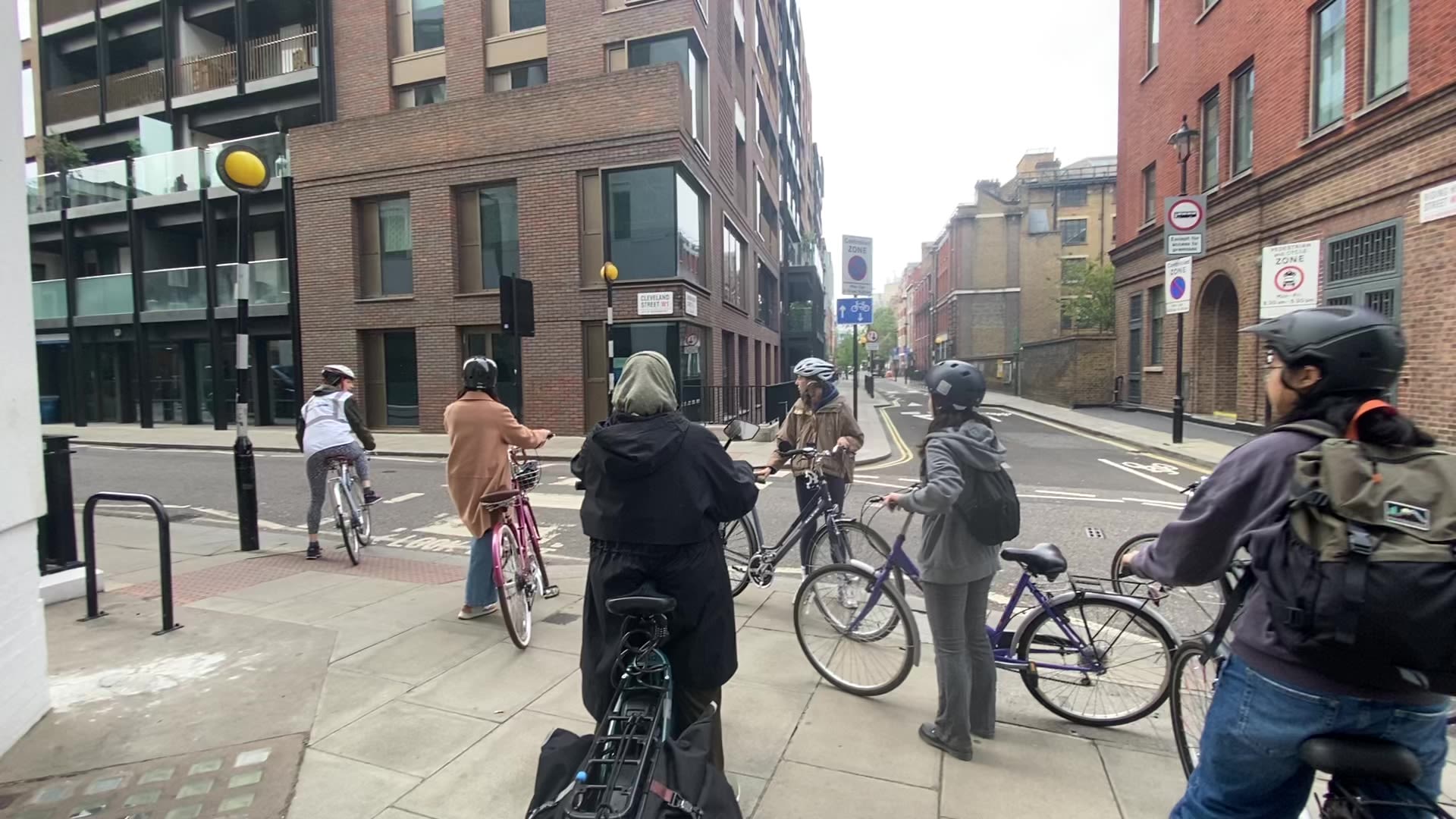

Every day, thousands of cyclists take to the streets of London. But according to the London Cycling Campaign’s (LCC's) Women’s Network, less than one-third of those are women.
One of those women is me.
I ride with a helmet, keep my bike lights charged and abide by the rules of the road. Yet I am frequently tailgated, shouted at, and intimidated by fellow road users. According to the LCC report—What’s Stopping Women from Cycling in London?—I’m far from alone.
For many women, the question isn’t whether to cycle, it’s whether they can feel safe doing so.
“The main reason women don’t cycle in London comes back to safety,” says Mariam Draaijer, CEO of JoyRiders, a grassroots cycling charity. “It’s not just the fear of traffic, it’s the fear of harassment, of isolation, of simply not belonging on the road.”
Over 1,000 female cyclists were asked about their experience riding in the capital, and the results tell an ugly tale.
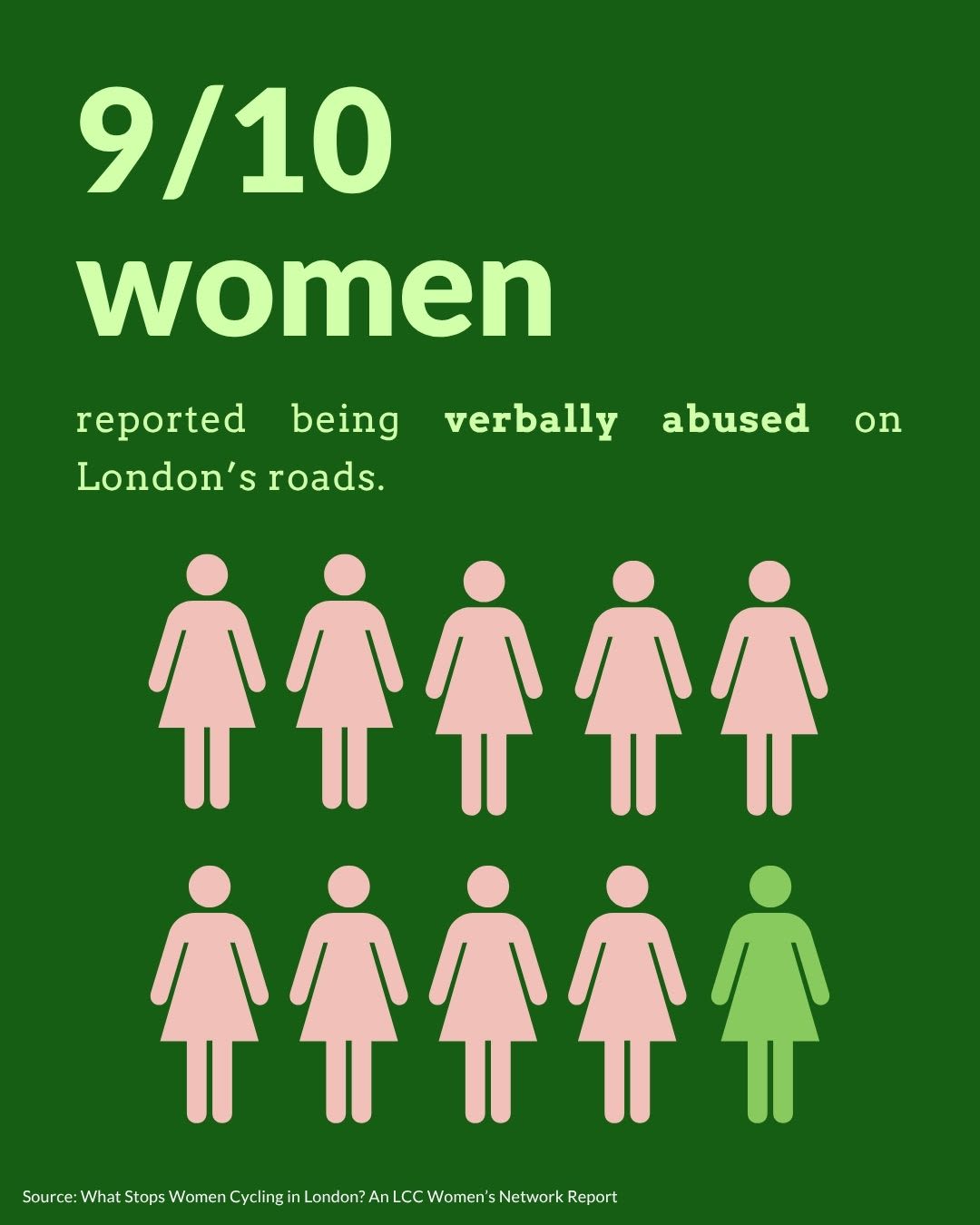
- Nine out of ten women said they have experienced verbal abuse and aggression while cycling in London. For 63%, it was at least once a month.
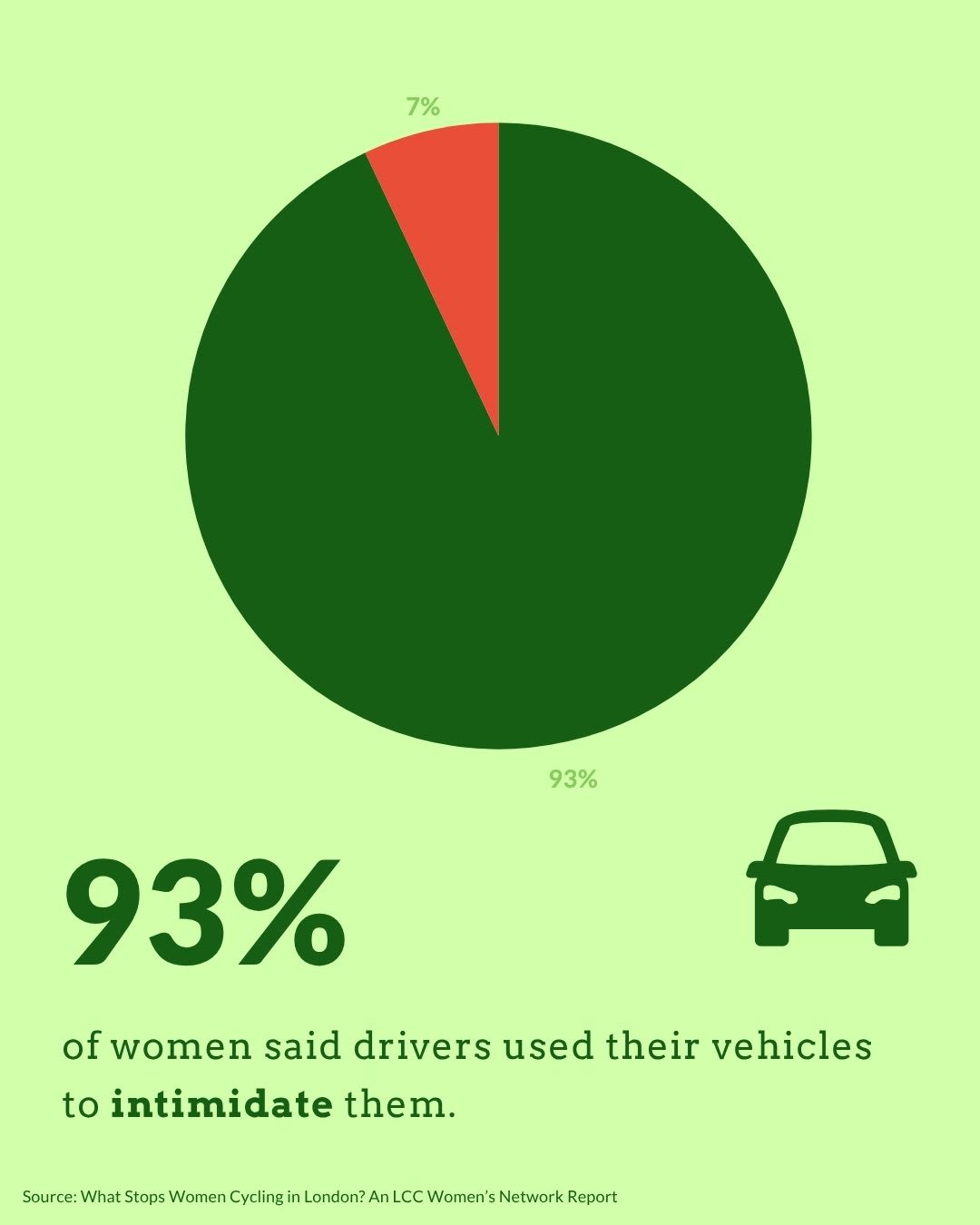
- 93% of women said drivers had used their vehicles to intimidate them. For 77%, it was at least once a month.
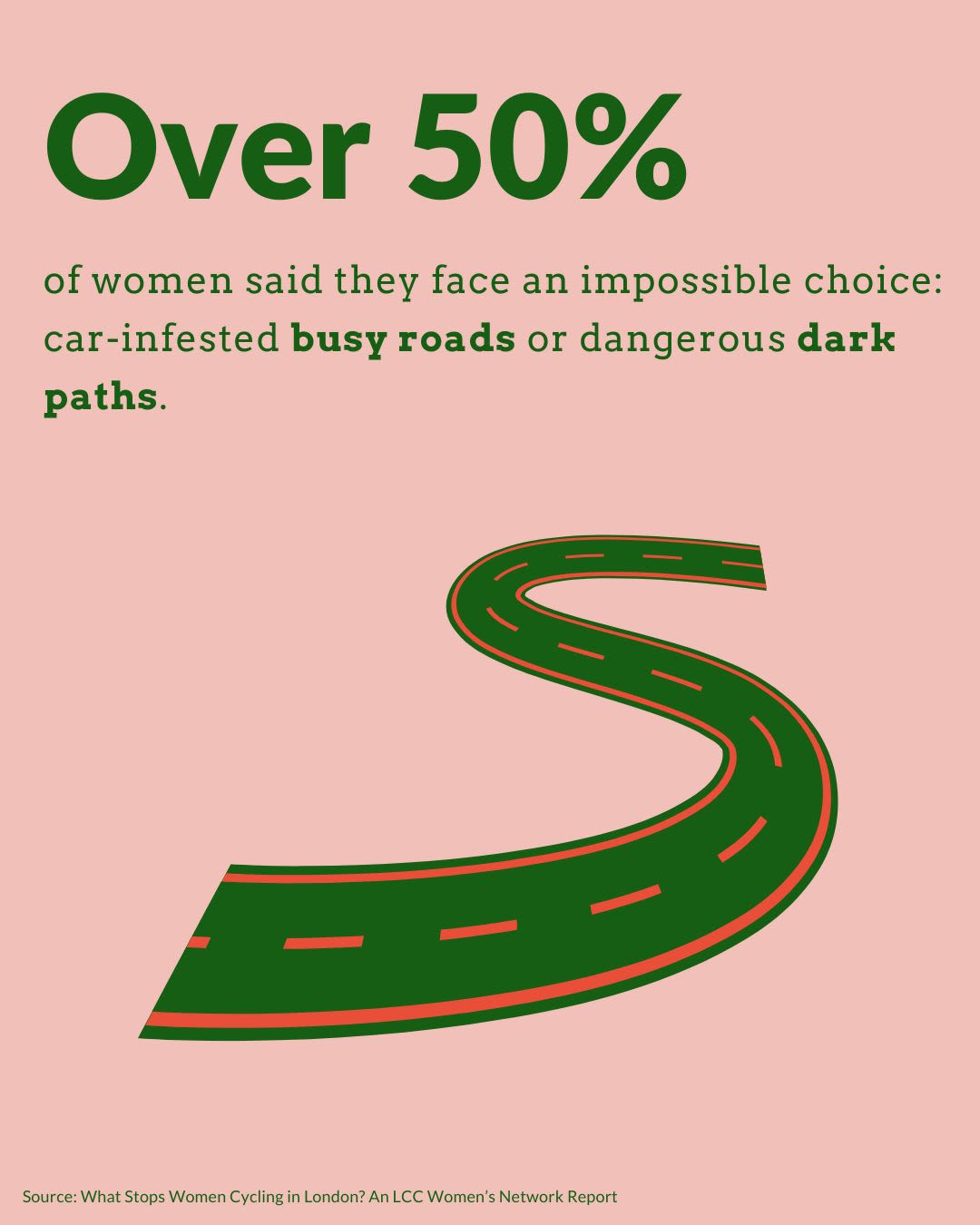
- Over half of the women said they routinely face a choice between busy roads without a safe space for cycling or a route through quiet, dark places where they feel at risk.
The report urges action on three fronts: physical safety, social safety, and better-connected local cycle infrastructure.
Mayor Sadiq Khan acknowledged the findings: “The safety of everybody using our roads is an absolute priority for me and for Transport for London (TfL), but we know that too often women and girls do not feel safe on our streets. We need to tackle misogynistic attitudes alongside implementing safe cycling infrastructure and a robust police response to offences, as highlighted in the London Cycling Campaign’s report.”
Whilst City Hall and TfL talk about change, some women are already making it.


Enter, JoyRiders.
Through a programme of learn-to-ride sessions, social cycles, and family-friendly bike rides, JoyRiders is helping women across London build the skills and confidence to take to the road. For many of the women who join, it’s their first time cycling—or the first time in decades.
JoyRiders focuses not only on technical ability but also on creating a safe, welcoming community where women feel encouraged to ride without fear of judgment or danger.
“We use cycling as a tool,” says Draaijer. "To make women feel confident in all areas of their lives."
She continues: “Different people come for different reasons, but everyone enjoys it for what they need it for."
One Saturday morning, I joined JoyRiders for a beginner-friendly group ride from central London to East London and back.
JoyRiders assemble: participants prepare for the East London ride. Credit: Megan Hill
JoyRiders assemble: participants prepare for the East London ride. Credit: Megan Hill
I join the group at their hub in Fitzrovia, many of whom are getting back in the saddle for the first time in years. Megan hasn’t ridden a bike in a decade. Bibi can’t even remember the last time she cycled.
JoyRiders provided bikes for those who didn’t have their own. Brakes were adjusted, tyres checked, and helmets fitted.
And then we were off.
Lailai enjoying her time with JoyRiders. Credit: Megan Hill
Lailai enjoying her time with JoyRiders. Credit: Megan Hill
We ride together through backstreets and into the bustle of the city. There are a few nervous giggles, even more laughter, and plenty of encouragement. Importantly, no one is left behind.
One of the riders, Lailai, tells me JoyRiders is helping her to build up the courage to take her commute to work by bike.
Pit-stop: the JoyRiders stop for coffee and cake. Credit: Megan Hill
Pit-stop: the JoyRiders stop for coffee and cake. Credit: Megan Hill
Once in Haggerston, we took a pit stop at a café. The break is a chance to rest legs, refuel with coffee, and get to know one another.
The conversation and connection are just as important as the ride itself.
The JoyRiders looking happy and confident at the end of their ride. Credit: Megan Hill
The JoyRiders looking happy and confident at the end of their ride. Credit: Megan Hill
After an approximately 8 mile round trip, we arrived back where we started.
This time, nerves have been replaced with a sense of pride. Despite tired and wobbly legs, people stand a little taller.
Cycling in London isn’t just for Lycra-clad men on carbon frames.
It’s for commuters, school-runners, supermarket shoppers—anyone trying to move through the city quickly, cheaply, and sustainably. For many women, it could be a welcome alternative to the car or public transport, if only it felt safe.
Groups like JoyRiders are pedalling us towards a safer, more inclusive cycling culture. But they can’t do it alone.
If London is serious about making cycling accessible for all, it must start putting women in the driver’s saddle. That means real investment in policing of harassment and protected bike lanes that can be used all day, all year round.
Until then, grassroots groups like JoyRiders are teaching women to reclaim space on the roads and beyond.
 Built with Shorthand