
Where does your coffee come from? Exploring coffee's diverse culture
We are a nation of coffee lovers but how much do we know about the history behind it?
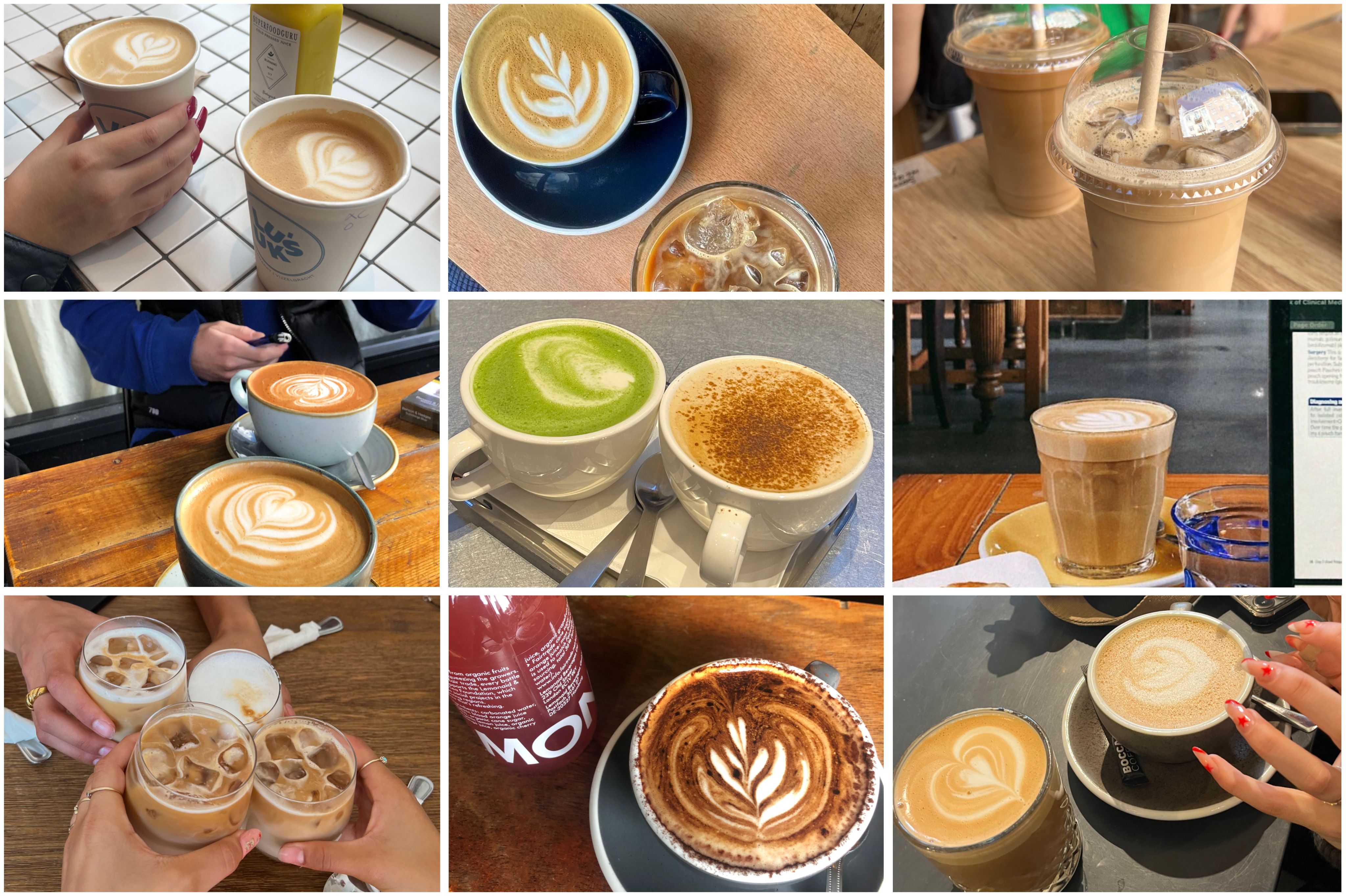

Coffee
We love the stuff. The nation’s practically bathing in it, slurping up more cups than ever before. It’s almost impossible not to spend a fiver on that silky-smooth, ultra-Instagrammable latte we crave daily.
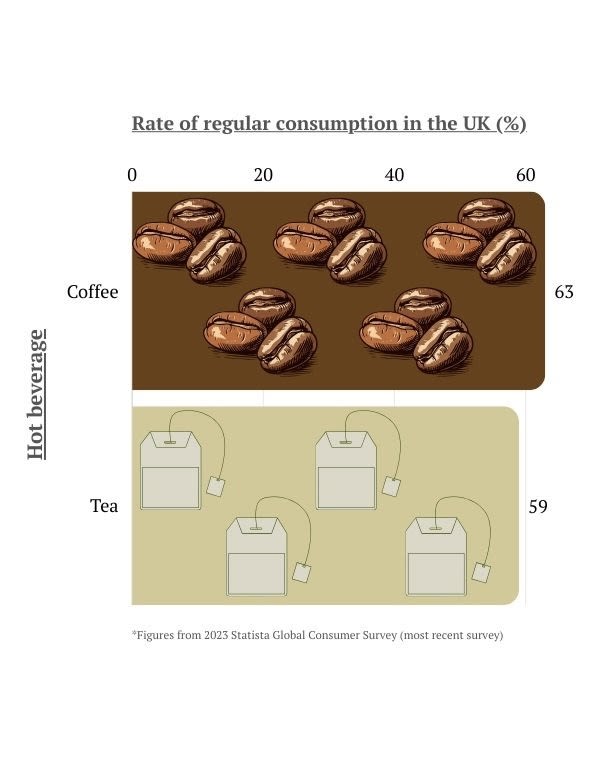
Britain’s been indulging in coffee for centuries, becoming particularly attached over the last two decades.
Studies show that it's even overtaken tea in popularity.
According to Paul Rooke, Executive Director of the British Coffee Association:
"The UK has a thriving coffee culture, with research showing that we Brits drink around 98 million cups of coffee every day."
That’s a lot of coffee.
We know the taste, we adore the buzz, we guzzle down copious volumes of it.
But are we aware of the diverse culture behind the deep flavour?

Meet Markos
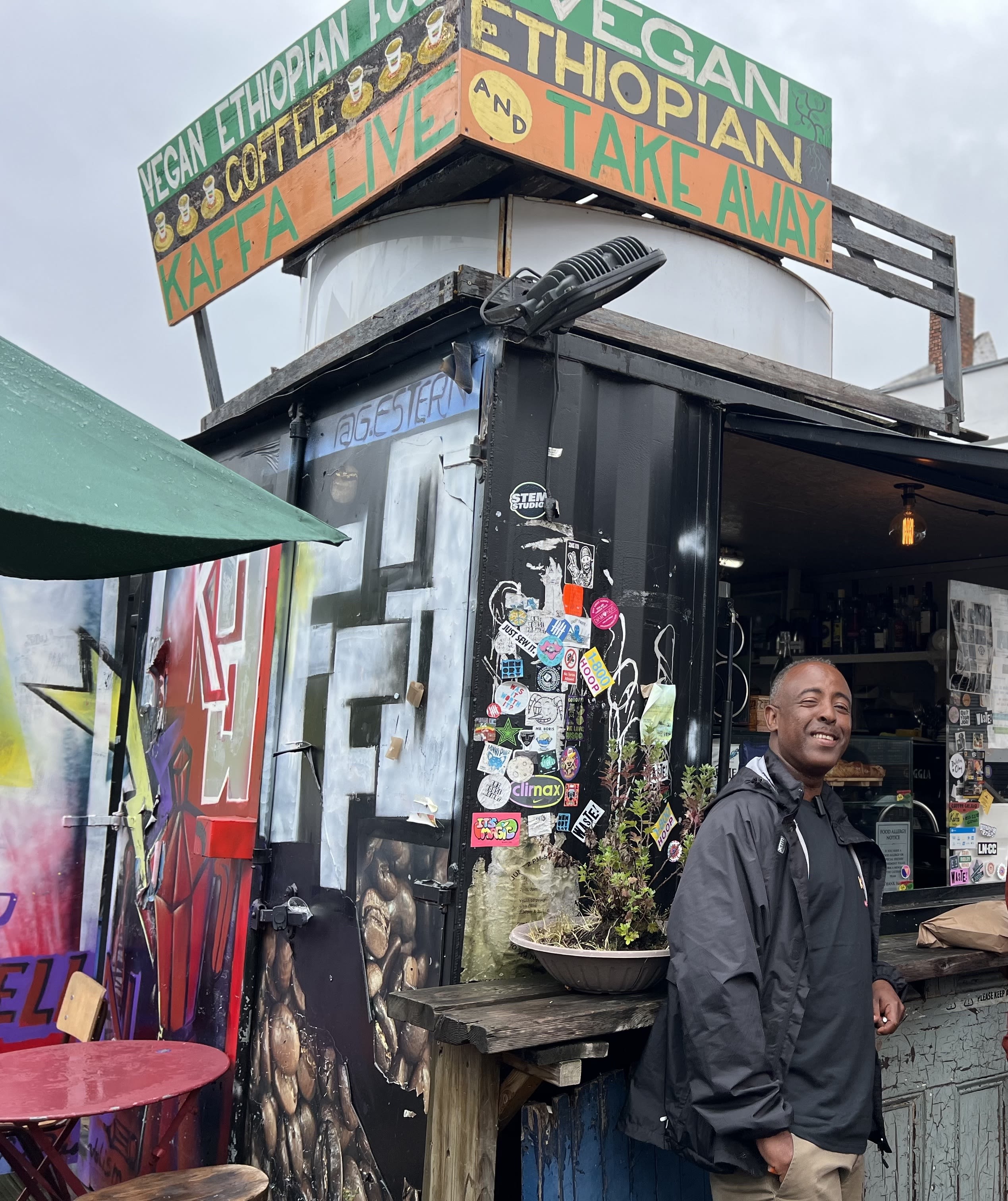
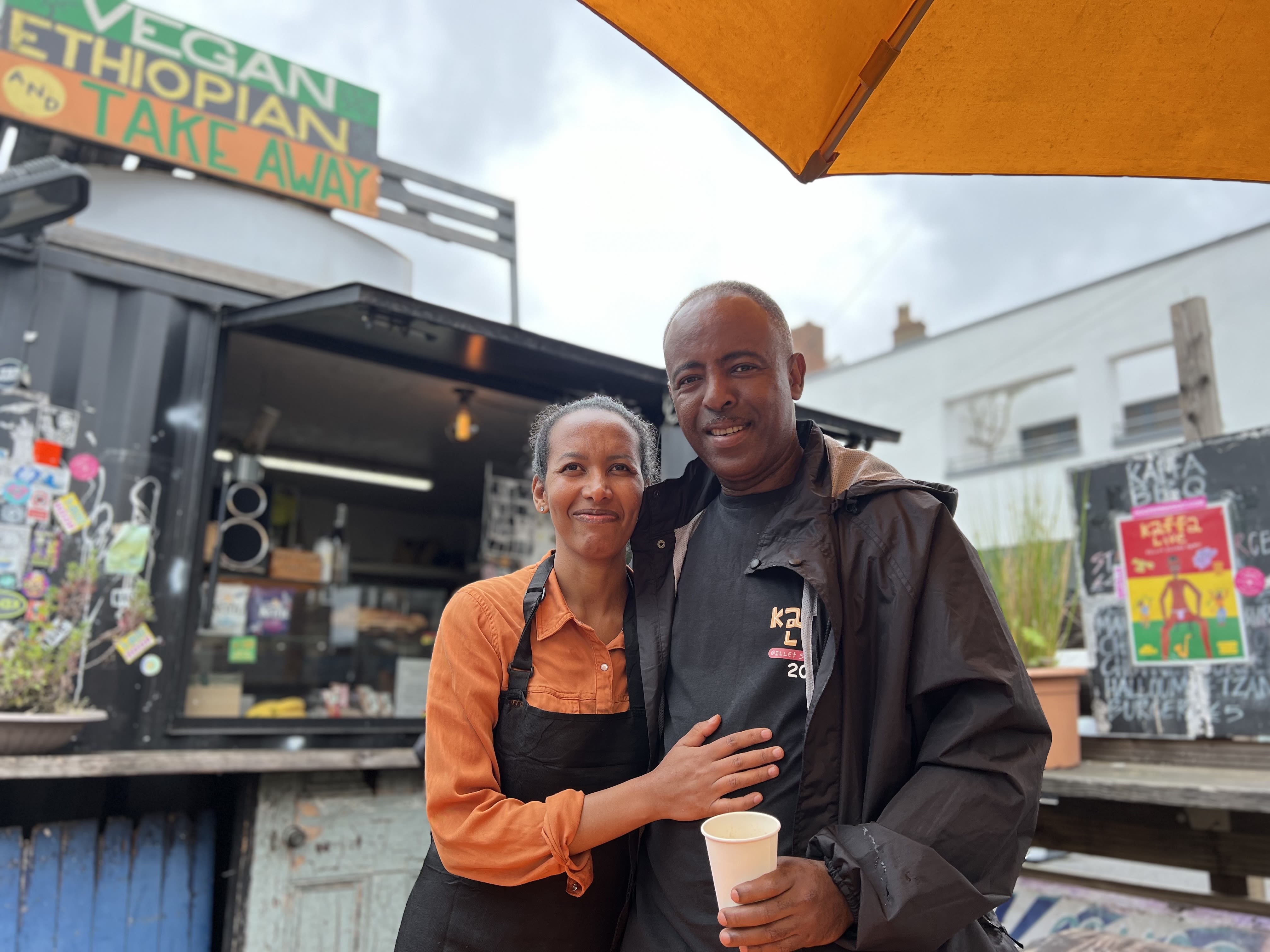
Yared Markos, known locally as 'Markos', is an Ethiopian coffee shop owner from Dalston, London.
After not being able to find an authentic Ethiopian coffee shop in London, despite his home country being the birthplace of coffee, he made it his mission to spread the coffee culture he grew up with.
Sipping on a flat white made by his wife, he explained what coffee culture really means as an Ethiopian.
Watch Markos explains how important coffee is in his community.
Watch Markos explains how important coffee is in his community.
Bringing something new
Markos set up Kaffa Coffee in 2004.
He felt that the western coffee shop market had "something missing" and wanted to create a space that was centred around "recognition" for lost Ethiopian history.
"The missing part is the culture", he expressed.
He wants people to know where their beloved espresso has come from.

So, how did the bean actually end up Britain?

Jonathan Morris is a coffee historian who has spent years exploring the origins of the drink.
Coffee's motherland: Ethiopia
Indigenous to Ethiopia, coffee first grew wild as a shrub in Kaffa, a region in the south-west of Ethiopia.
Around the 9th century, the people of Kaffa foraged for coffee.
"They weren't growing the coffee, but they were picking coffee and they were using coffee in various ways," Jonathan explained.
They would eat the berries, use the leaves of the plant to make tea, but did not consume coffee as we know it today.
Growing popularity in Yemen
Around the 15th century, coffee reached Yemen. The Yemeni's grew and cultivated their own coffee plants, known as 'Coffee Arabica'.
"All coffee, basically in the world (in the 15th century), is coming from two origins. It's either wild Ethiopian or cultivated in Yemen."
Despite its name, Coffee Arabica is still native to Ethiopia.
It is now one of the most common types of coffee bean in the world.
Coffee from Yemen was traded from the port of Al Makha, known as Mocha in other parts of the world.
Sharing the buzz
The Ottoman empire began enjoying coffee around the 16th century and introduced the drink to many parts Europe.
"From Istanbul, the habit of coffee drinking spread into Europe," Jonathan added.
Coffee houses were on the rise.
England's first encounters
Through the Ottoman empire, Coffee reached England by the mid 17th century.
The first coffee house in London was set up in 1652. It was initially known as Pasqua Rosee's Head or The Turk's Head (to be later known as Jamaica Wine House).

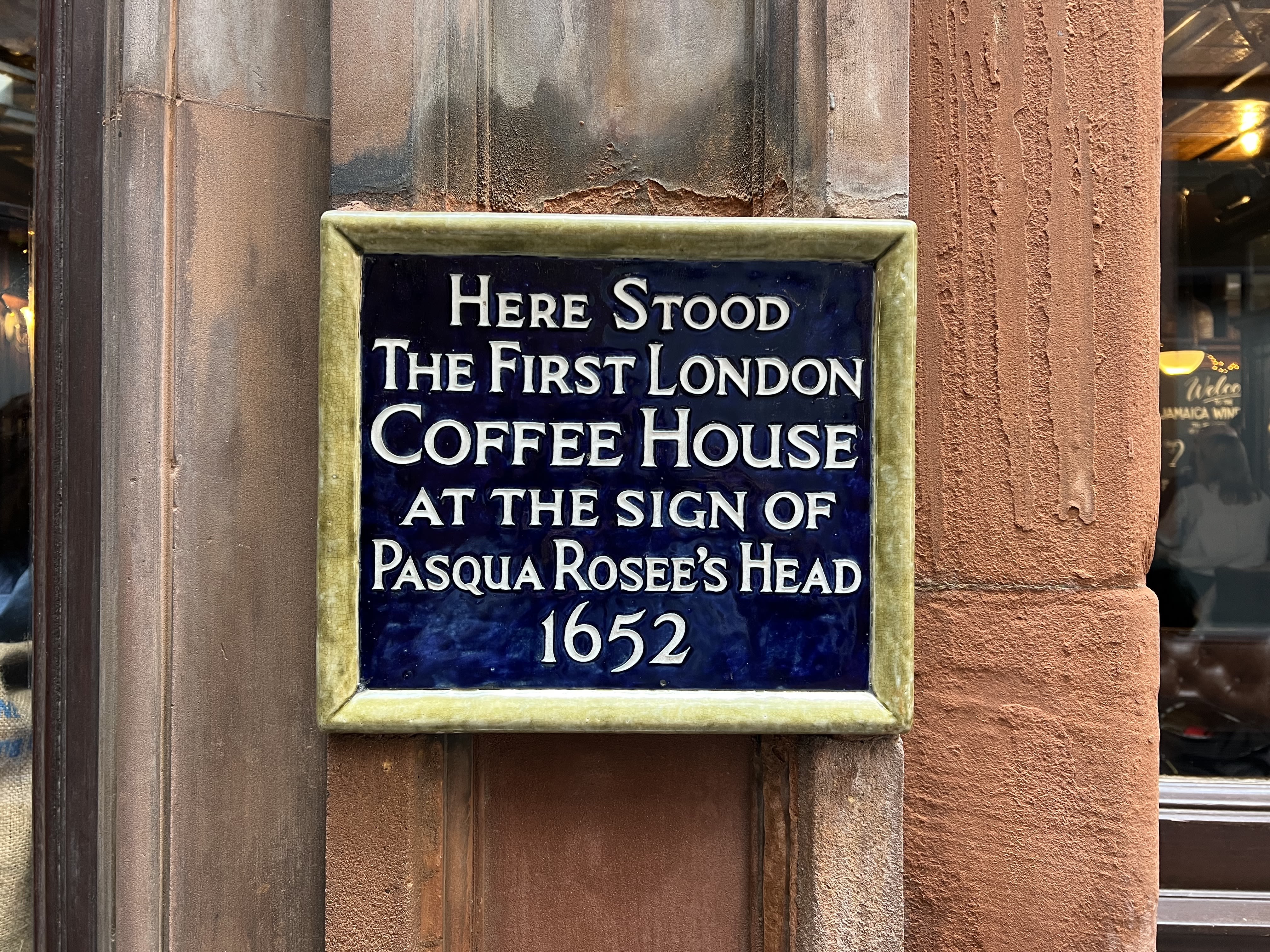
Some historians claim that the first coffee house in England was set up in Oxford however Jonathan claims "we know it was London and we don't know that it was Oxford".
By 1663, there were more than 80 coffee houses.
Imperialism gets involved
European empires wanted to profit from the growing coffee trade.
They did this by enslaving work forces in Asia, Latin America and the Caribbean to grow and harvest the product.
The Caribbean was the biggest coffee producing region throughout the 18th century.
Enslaved communites recieved no credit for the product but rather "agony, frankly", Jonathan said.
Forgotten history
The coffee grown on the Caribbean plantations was consumed in Britain and across Europe.
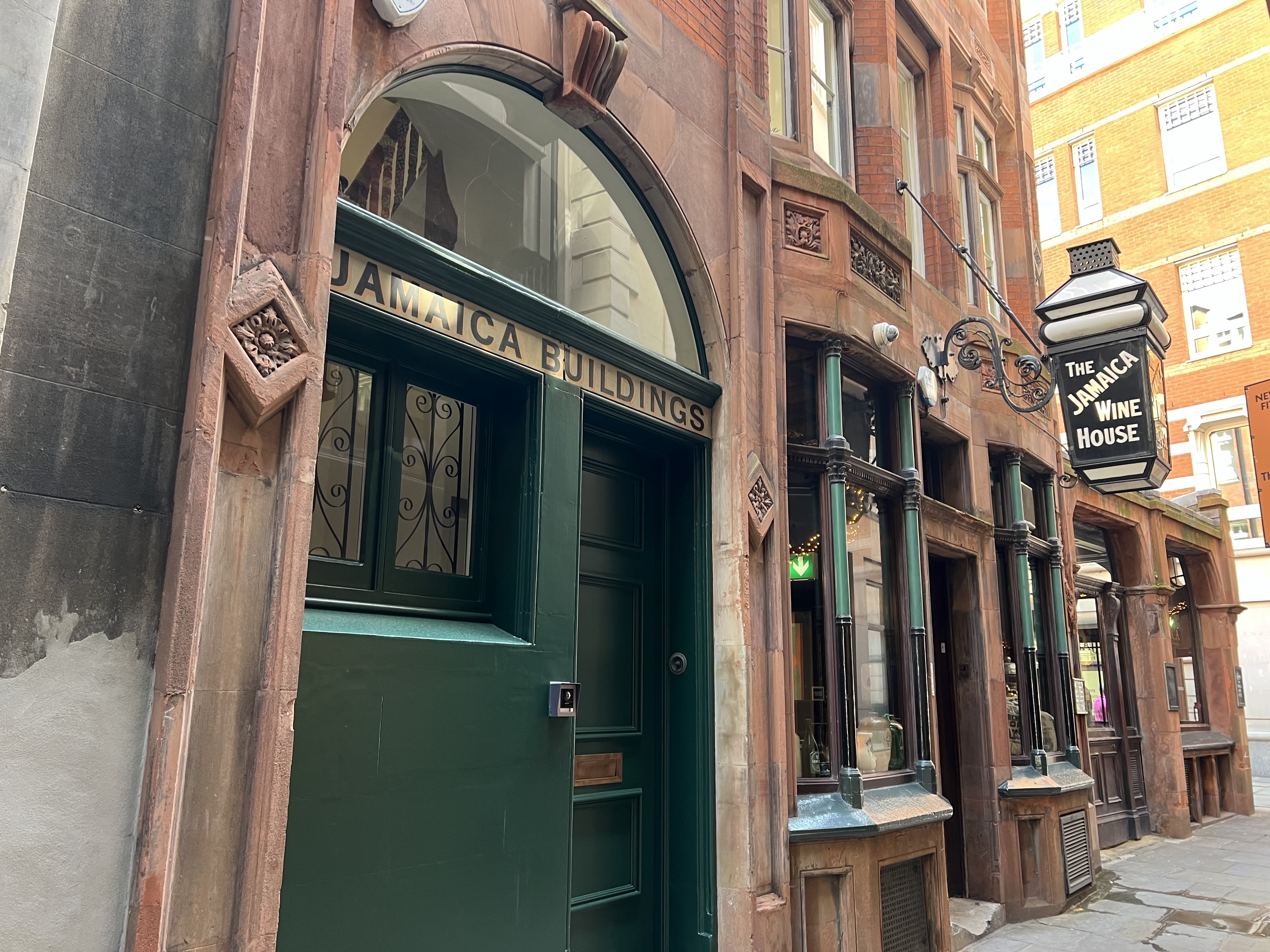
The first coffee house in London was renamed The Jamaica Wine House.
Here, plantation owners would meet and broker deals over enslaved African people.
By the 18th century, there were over 500 coffee houses in the UK.
The original Ethiopian coffee culture and history was shadowed by colonial production.
'People notice that this is real.'
Keen to give his culture a permanent place in the neighbourhood, Markos pursued his dream of an Ethiopian coffee shop, despite having "no support" and living in temporary accommodation at the time.
Twenty years and a lot of lattes later, Kaffa Coffee is a bustling spot amongst locals.
Markos said: “New coffee shops will open and people go there, do a bit of work and have a coffee.
"But they come back.
"They say ‘No, no, no Markos, you're doing something different, I feel it.’ and they start noticing that the coffee shop is not only about a coffee shop, it's about recognition and being part of a family.”
The shop front proudly showcases his family's heritage and Ethiopian artefacts are scattered throughout the establishment.
“Kaffa is a region name.
"It was a big kingdom around the 9th til 12th century.
"Kaffa was one of the indigenous people in Ethiopia.
"The coffee name comes from Kaffa.
"But people don't know this.
“People in England don’t study Ethiopian history."
He regularly holds community events like traditional Ethiopian coffee ceremonies, live music, parties and holds a special reservation every Sunday for those in need of food (and a great cup of coffee!).
Business growth "wasn’t planned", Markos continued.
"This success is purely through hosting people and sharing our culture.
“You don’t have to go to university to know if someone's smile is real or not.
“Naturally you just notice.
“People notice that this is real.”

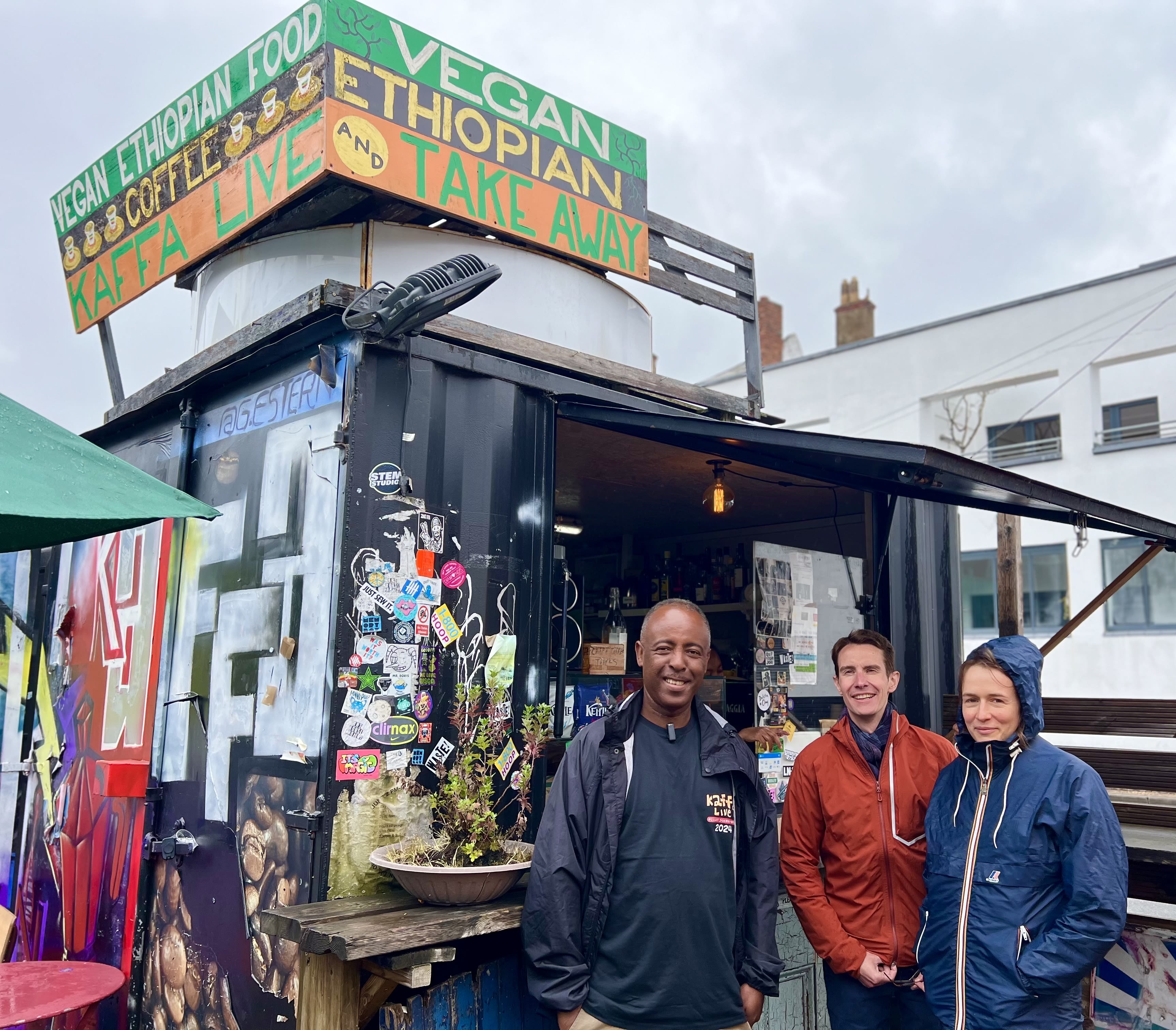
Kaffa has many regular customers who know Markos well.
Kaffa has many regular customers who know Markos well.

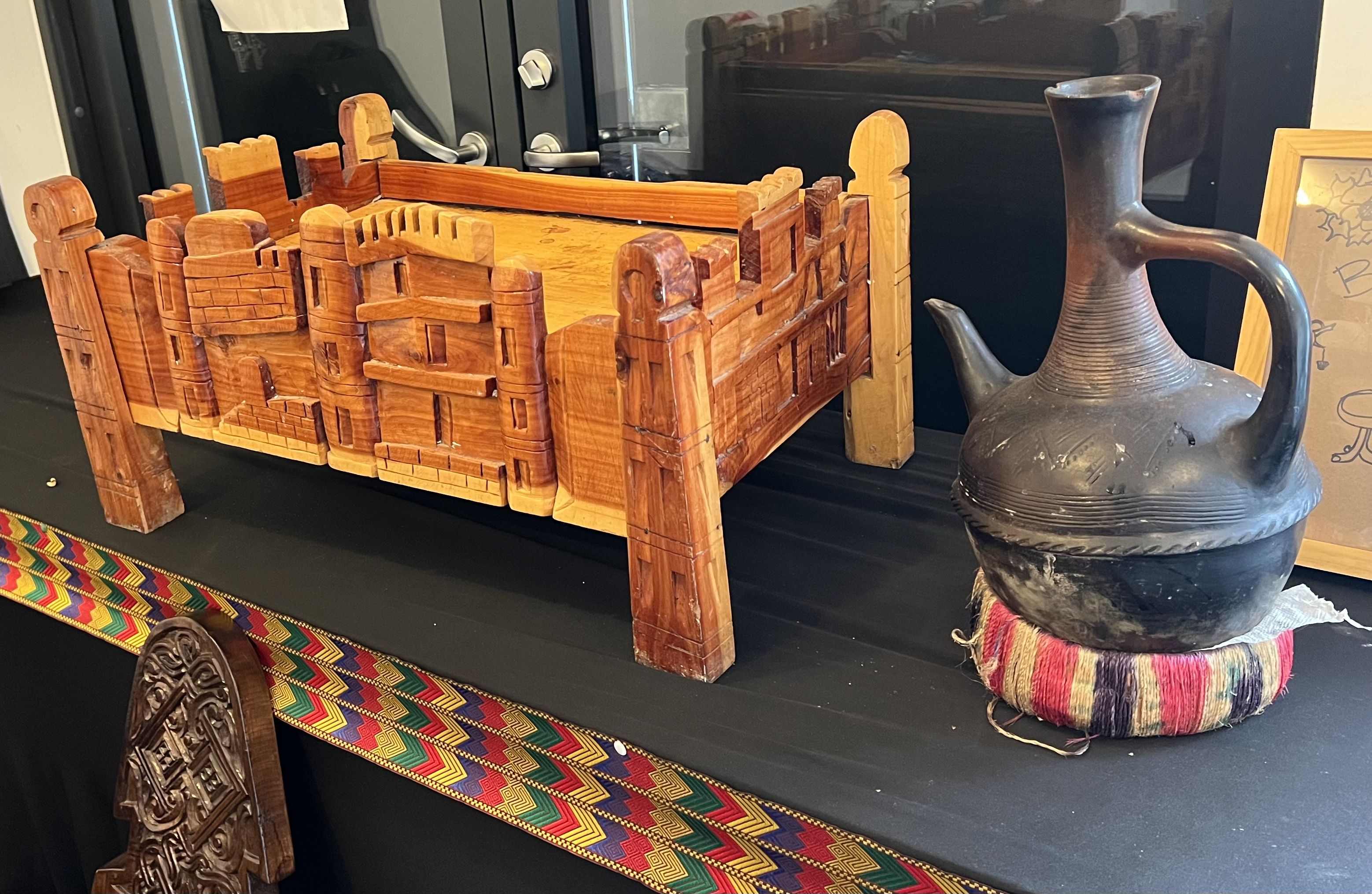
Items used in traditional Ethiopian coffee ceremonies can be found in the shop.
Items used in traditional Ethiopian coffee ceremonies can be found in the shop.

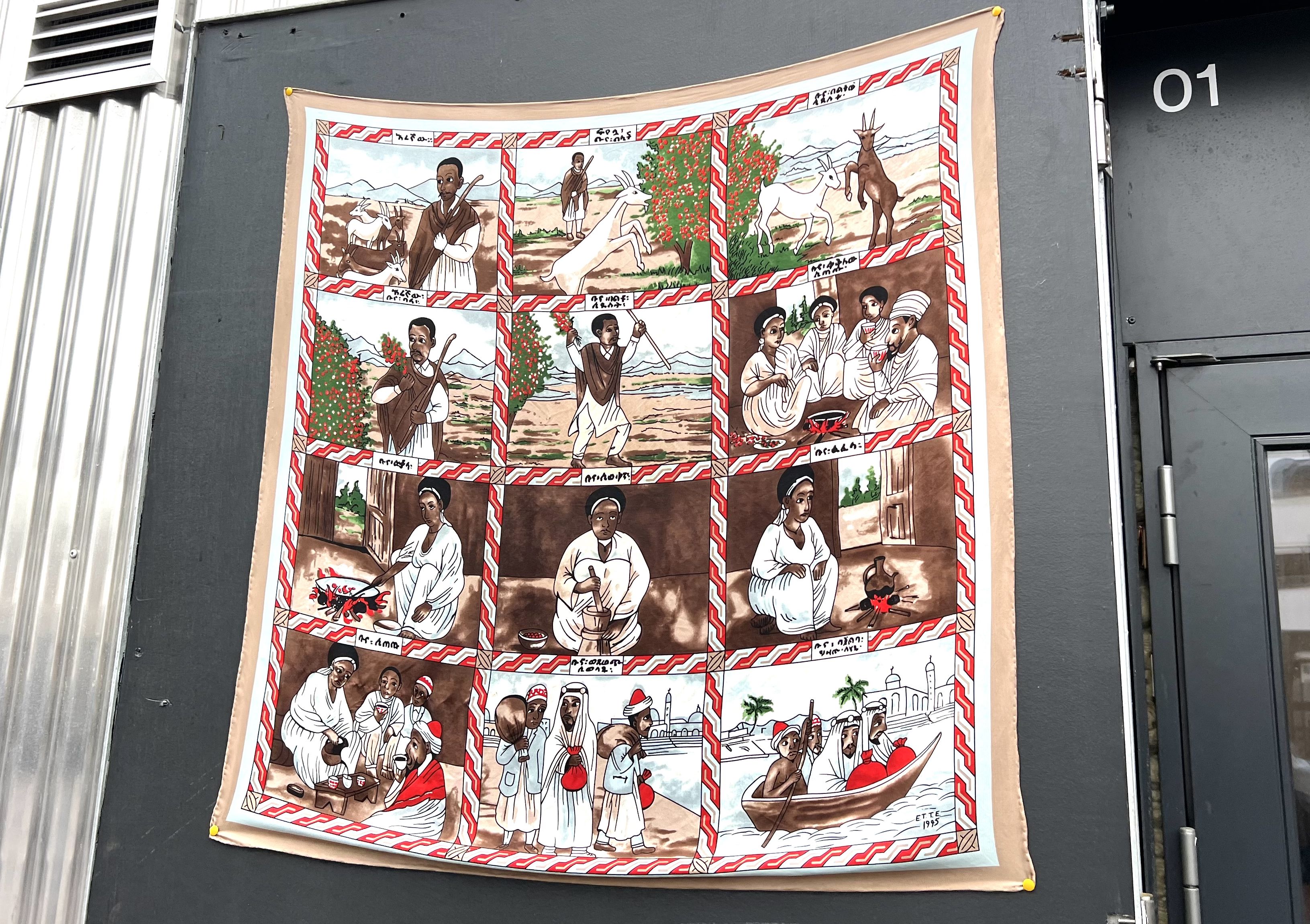
Artworks, like this one, explain how Ethiopian coffee spread around the world.
Artworks, like this one, explain how Ethiopian coffee spread around the world.

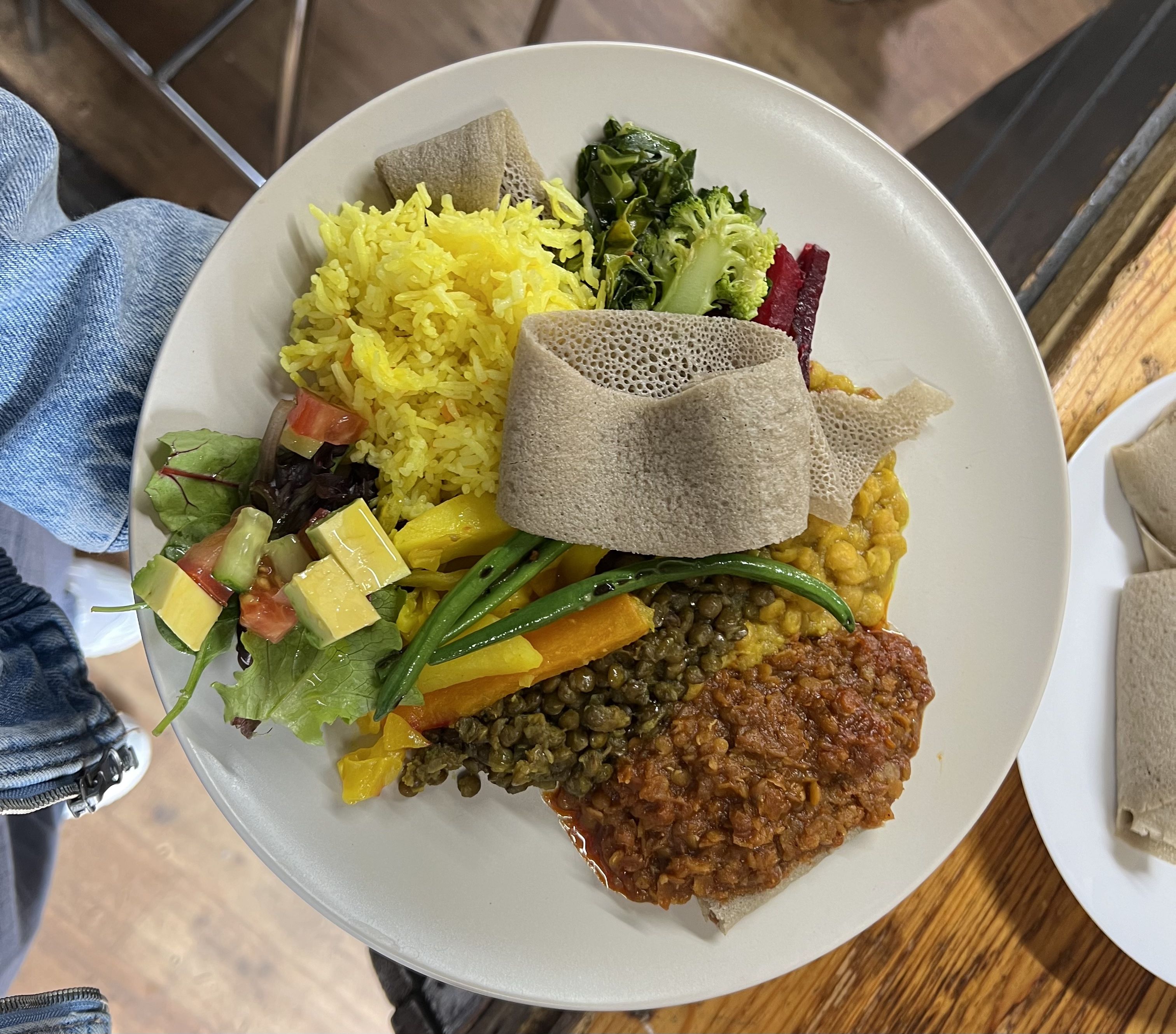
Vegan Ethiopian meals are offered alongside coffee.
Vegan Ethiopian meals are offered alongside coffee.

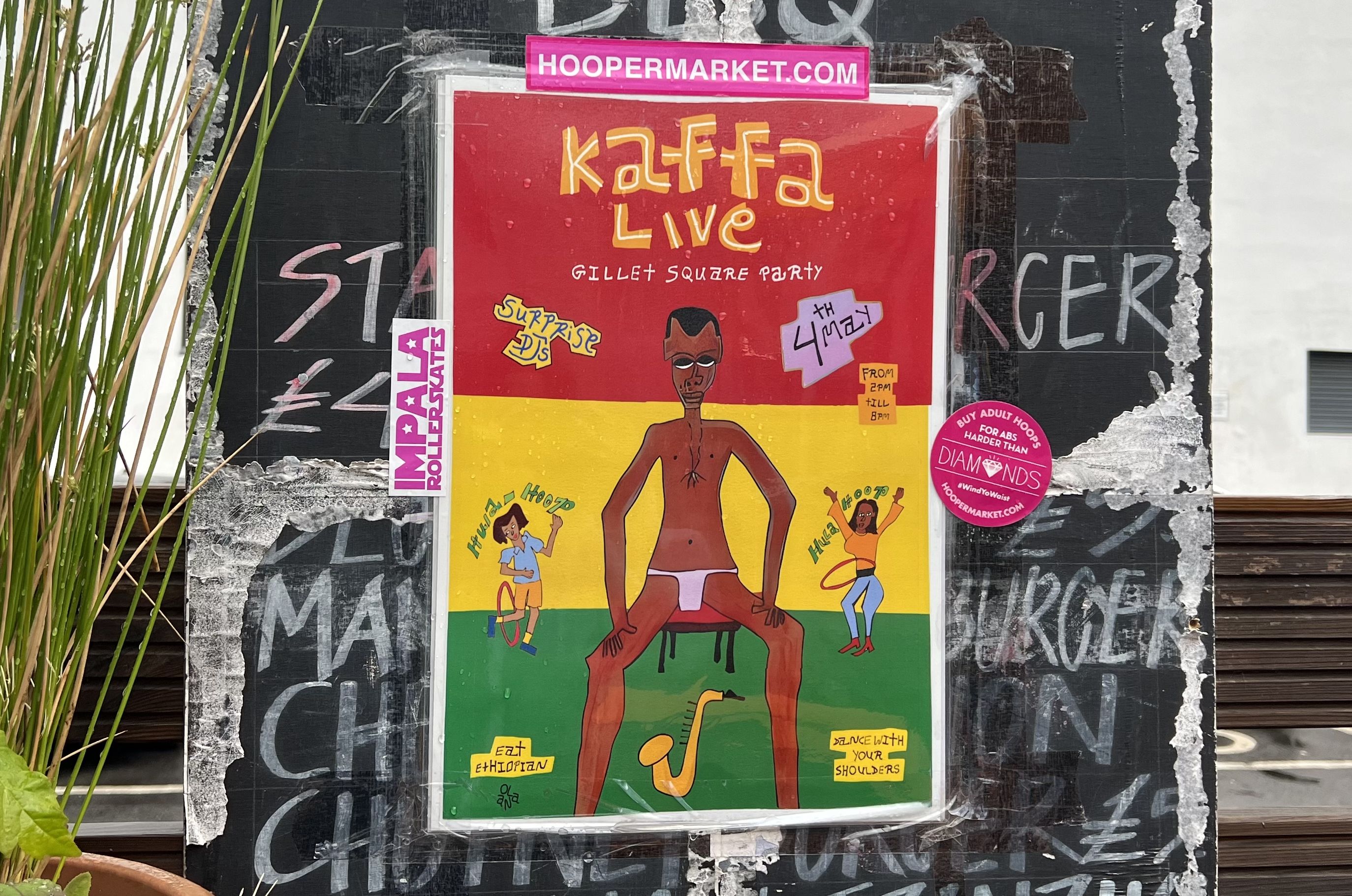
Every year, he hosts Kaffa Live, a party for the community.
Every year, he hosts Kaffa Live, a party for the community.
Cultural preservation across continents
Despite being half way across the globe, Markos hasn't forgotten his roots.
The coffee he roasts and sells in Dalston is ethically sourced from Ethiopia.
“I have a family coffee farm in Ethiopia.
"I got it from my grandma.
“It's organic, wild coffee.
"The tree is just over 100 years old.
"It's not a farm, it’s an extension of the community.”
Markos supports the surrounding village by buying them essential equipment like water pumps and tools needed for coffee production.
Contributions like this remind the community that they are valued.

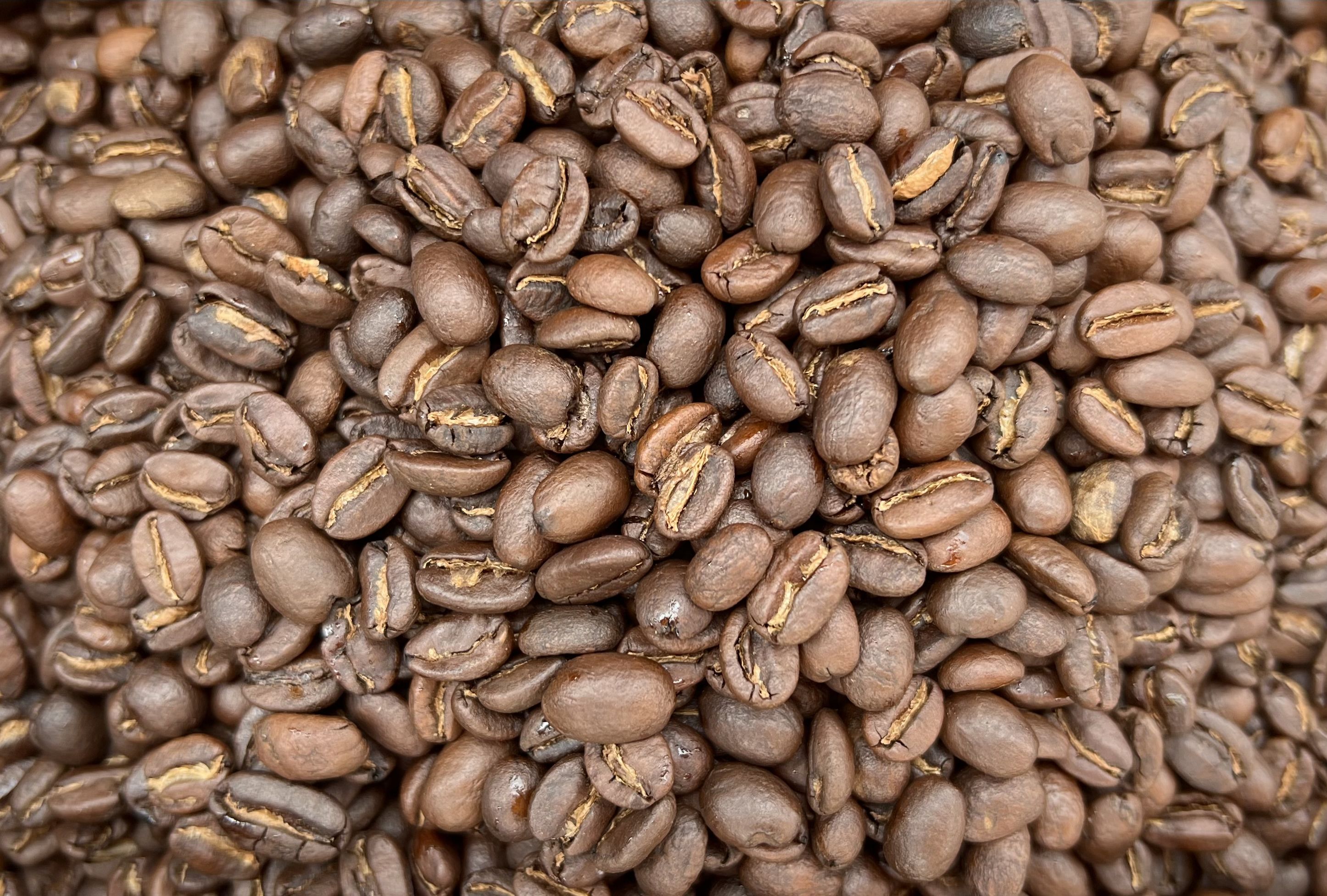
Other coffee farms around the world are protected by Fairtrade, an international movement working in partnership with around 2 million farmers and workers.
The organisation's sustainable sourcing manager for coffee, Max Milward said:“Fairtrade began as a response to the collapse of global coffee prices in the late 1980s.
"This had a devastating impact on smallholder coffee farmers, who were being paid below the costs of production and who were forced to choose between feeding their families or investing in their farms, with no confidence in the price they would receive for future harvests."
Fairtrade offers their farmers a rate which they consider an appropriate price for coffee, as well as upholding ethical production practices.
“Disempowerment, low incomes and exploitation rule supreme over the lives of many farmers and their families who grow the beans that become the valuable, globally-traded commodity we enjoy."
It just tastes better.
Watch coffee historian Jonathan Morris explain how education can change consumer experience.
Watch coffee historian Jonathan Morris explain how education can change consumer experience.
Knowing where a product comes from can completely alter your experience with it.
Jonathan Morris is a professor of history and the director of research, culture and environment at the University of Hertfordshire, the author of Coffee, A Global History, and podcast host of A History of Coffee.
He said: "Once you start digging into coffee, you never really stop."
His in-depth research into coffee's past has revolutionised his approach to the drink.
"It does change the way I think about coffee.
"It does change the way I buy coffee.
"It changes it quite a lot.
"I'm not a person who says, oh, I always buy X or Y coffee.
"I buy lots of different coffees.
"I like different origins.
"I like to taste different things, but I like to know why I'm tasting them and how they were grown and how that relates to the history of coffee."
New generation, new habits?
Markos hopes to continue "blending culture through coffee" for many years to come.
He believes that Gen Z and Millenials have a much better understanding of what they are drinking, than older generations.
“The new generation have all sorts of information and they are understanding more.
“Coffee is not just food.
"It’s a way of life.
"It's like human petrol."

 Built with Shorthand