
UK’s halal appetite is on the increase with the rise of the Muslim population
Moving with the times creative entrepreneurs are catering for an ever-increasing demand for healthy halal options
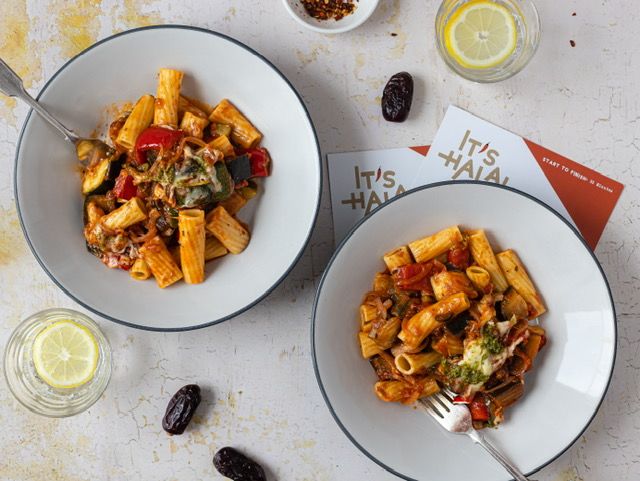

Inspired by recipe boxes like HelloFresh, Gusto and Mindful Chef and a childhood of appreciating a variety of dishes from Italian, African and Caribbean cuisine. Saima Duhare, grabbed the opportunity in the catering market for Muslim dietary needs and founded It’s Halal, the UK’s first Halal Non-Subscription recipe box.
A Muslim diet means that meat and poultry must be halal, which in Arabic translates as ‘lawful’ or ‘permitted’, and slaughtered according to methods prescribed under Islamic law. Crucially, it must not contain pork, alcohol or harmful ingredients and toxics.
Obtaining halal certification is important for food businesses offering halal food, because it ensures that all consumables and products comply with the Islamic Council standards. There are several bodies available that oversee certification, including the Halal Food Authority(HFA) and the Halal Monitoring Committee(HMC).
“Some of the boxes weren't inclusive of the Muslim diet”, said Saima referring to existing pre-portioned ingredient recipe brands. “The fact of the matter is that when you've got such a huge recipe box business that wants to monopolise the industry, you would then have that foresight to think. Okay, if the currency and the halal food industry is moving at such an exponential rate, wouldn't you want to capitalise on that?”
A rising Muslim population
With an ever-increasing Muslim population and the 2021 census reporting a figure of nearly 4 million or 6.5% of the UK population, the demand for halal food is growing.
Film Credit: Rabina Khan, explains the 2021 ONS Muslim data
Film Credit: Rabina Khan, explains the 2021 ONS Muslim data
Plugging the halal healthy recipe gap
Saima’s vision was to transform the way people eat in a fast paced world and become the go-to brand and service when Muslim people think of healthy, convenient and home-cooked meals. She targeted professionals to help with cooking hassle-free evening meals, by sending pre-portioned ingredients together with an easy to follow recipe card to enjoy a diverse cuisine.
Of her halal customers she said: “They comprise professionals, full-time mums, people who are looking for a healthier lifestyle and people who are conscious of the environment, because everything is environmentally friendly and recyclable.”
Her childhood of eating healthy and consciousness of tackling food waste are reflected in her recipe boxes, which include“portion control as well as no food wastage.”
It’s Halal’s target audience is “educated regarding food balance, lifestyle, physical health, and wanting to look good because that's what it's all about,” said Saima. Adding, “Also not overeating because that's when your risk of developing diseases like diabetes increases.”

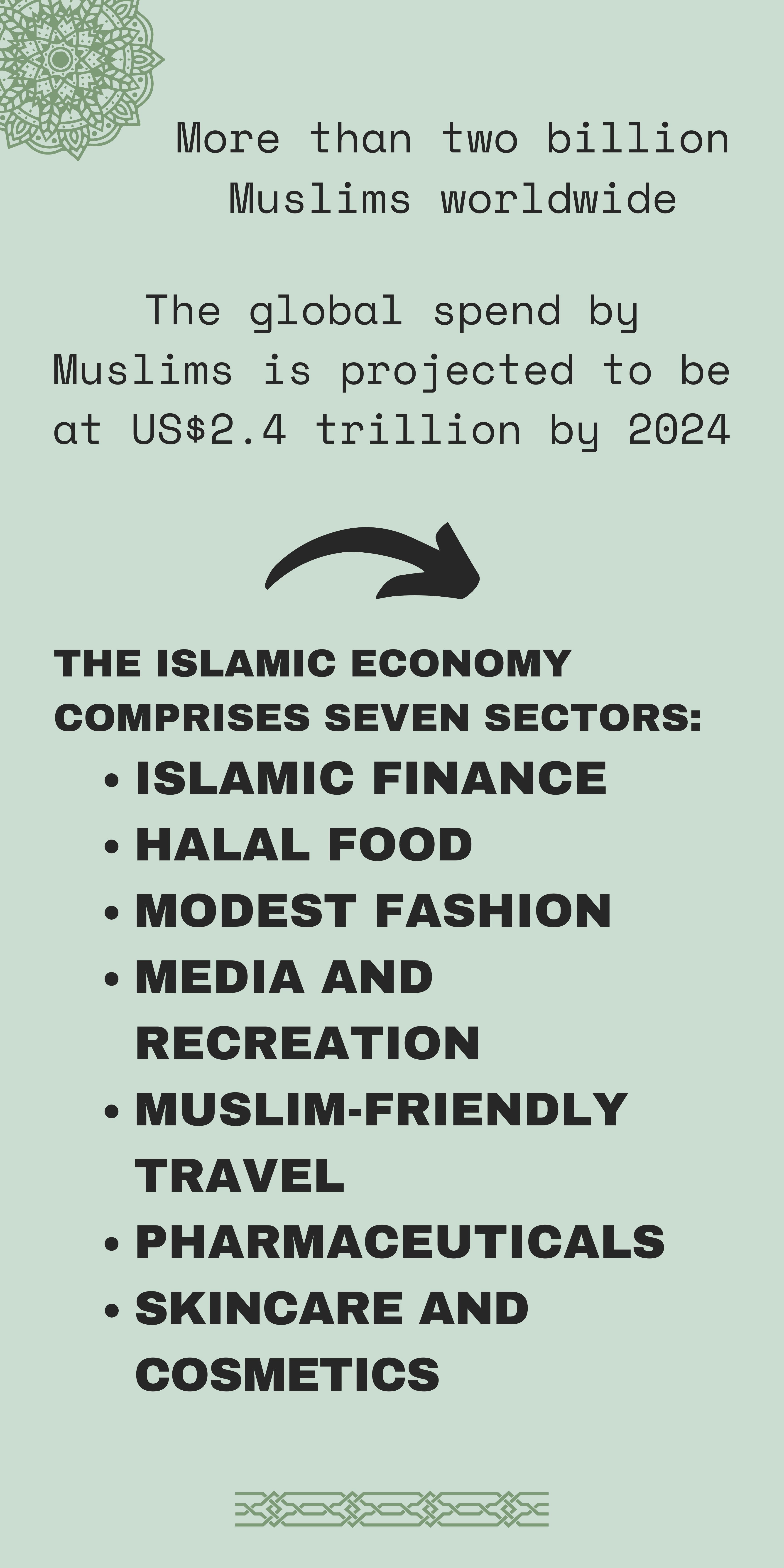
Image Credit: Rabina Khan - Sources: Kerrydigest and World Population Review
Image Credit: Rabina Khan - Sources: Kerrydigest and World Population Review

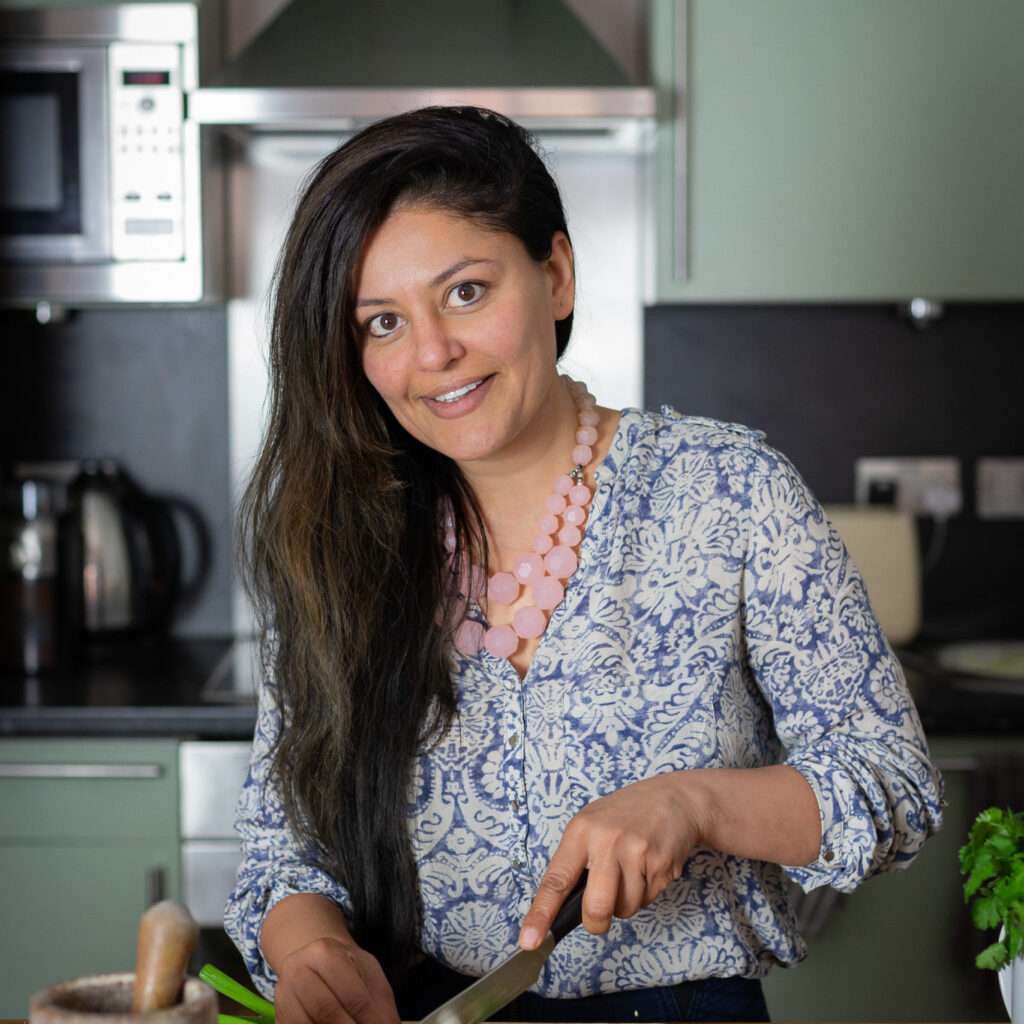
Photo Credit: Saima Duhare, believes there is a market for halal recipe boxes
Photo Credit: Saima Duhare, believes there is a market for halal recipe boxes
Image Credit: Rabina Khan
Image Credit: Rabina Khan
Halal frozen food
It’s not just halal recipe boxes that are in demand but also halal frozen foods. According to Rupert Ashby, chief executive of the British Frozen Food Federation (BFFF), “The frozen food market has grown to a value of £7.25 billion.” He expects “that demand for frozen halal foods will continue to grow in line with wider market growth.”
Echoing Saima’s argument of appreciating the halal spending power, Ashby adds, “that retailers and foodservice outlets alike” must cater for Halal consumers “to capitalise on a growing market.”
What do halal consumers look for?
Busy working mum of four, Shahana Khanom, founder of Kaydeena, an educational Islamic teaching platform, said: “Having access to halal menus, whether online or in restaurants, ordering recipe boxes and halal food, all help with maintaining a work-home life balance.”
She added, “With supermarkets like Tesco, Sainsbury’s and Asda including sections of halal food, it makes shopping so much easier. I can shop in one place and save time. As I get busier with work, I'm super excited that there is an alternative like a halal recipe box offering to turn to when things get too hectic!”
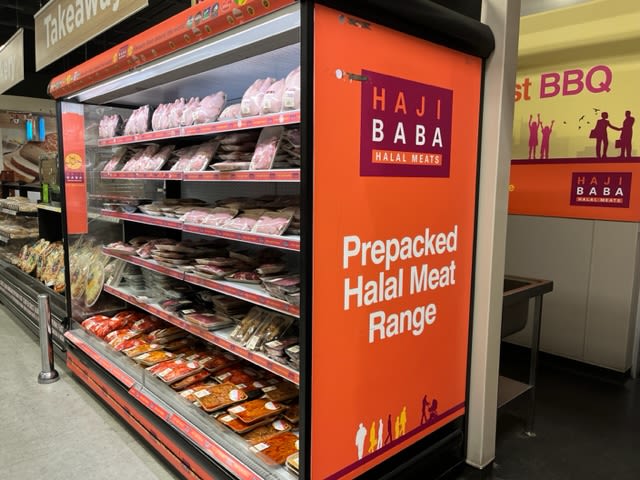
Shahana also said she would be willing to travel a little further to a supermarket that stocked a better halal range of food and drink. The rise in halal consumption has prompted leading supermarkets to increase their range of halal-based products.
Co-founder of Super Botanic, a health supplement brand, Kabir Shetty, said, “We use halal and vegan ingredients in our supplements because we know there is a halal market out there.”
He added that more Muslims now have larger disposable incomes with different spending intentions so this consumer market is still a very much untapped consumer group.
“With running a business and trying to maintain a healthy life cooking it becomes a mammoth task to cook a meal at the end of a busy day. So looking for alternatives for home cooked meals is an option that I would choose other than ordering halal takeaways,” said Kabir.

Faith, inclusivity and the strength of the halal currency
Film Credit: Rabina Khan - Saima Duhare said Borough Market's move to halal food was an indicator of inclusivity
Film Credit: Rabina Khan - Saima Duhare said Borough Market's move to halal food was an indicator of inclusivity
Saima was thrilled when Borough Market in Southwark, London, best known for its street food, introduced halal cuisine showing “that it had the foresight to be inclusive.”
For Saima though, not only did It’s Halal become an exciting business venture but it also connected her with her Islamic faith.
Saima said: “I genuinely love educating people, not only just about food, but about the Sunnah (way of Islamic life) way of eating, which we've lost. You know, eating meat, for instance, seven days a week is not true at all,” she said. “Nowhere in the Quran is it written that we should be eating that much meat, if any.We're told to have a balanced meal, which is your meat once or twice a week.”
According to Amer Bukvic, the acting chief product and partnership officer of the Islamic Development Bank (IsDB), “The halal food sector alone was valued at $1.27 trillion in 2021 and is projected to reach $1.67 trillion by 2025.”
Excited to build on It’s Halal's success, Saima hopes to expand in countries like France, Germany and Norway. “You learn about different cultures. And food is what brings people together and bridges us right,” she said.
 Built with Shorthand