
The ups and downs of supporting a football team
How last-minute winners, trophies won, and relegation battles lost impact men's mental health and wellbeing
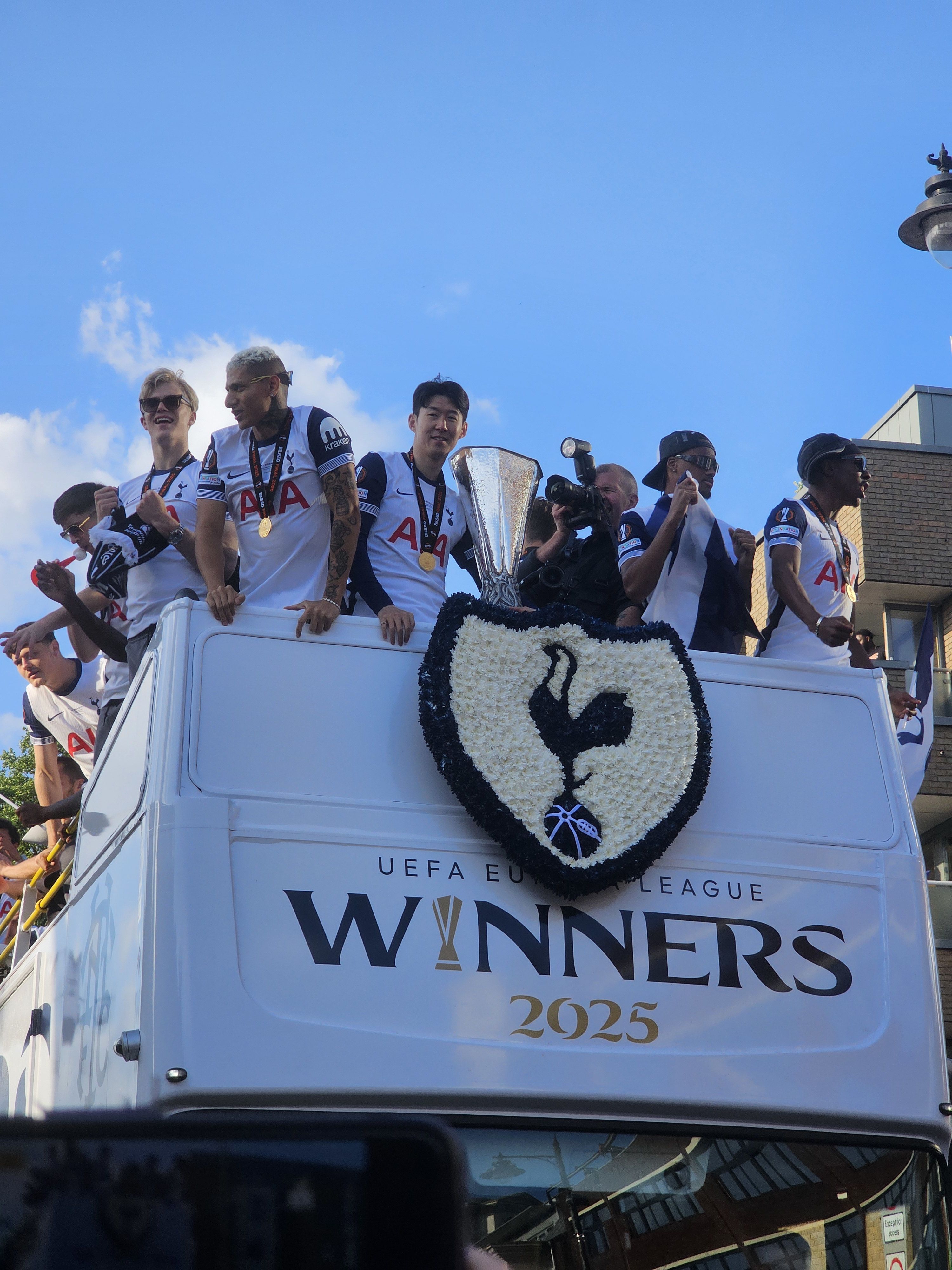

Football is the biggest sport in the world. It is played in all six populated continents and is watched by millions around the globe, whether that is in the stadium or on TV.
Despite borders and language barriers, football makes everyone feel the same emotions, from the highs of last-minute winners and trophies won, to the lows of relegation battles lost and silverware narrowly missed.
Football also creates a sense of belonging and a feeling of community to something bigger than a town or city, through feelings of joy, sadness, and anger.
Ileana Sitaví, 31, a Psychologist from Guatemala, explained that: “Many people, female and male, go to shout, to cry, to release aggressivity, they have been passing through sadness, happiness, a little bit of all the emotions.
“I think expressing emotions overall is great, is amazing.”
She added: “If I'm just allowed to cry or be angry during football, this is my space of expression.”
The outcome of a football season can have an impact on entire towns and cities, which can last long after the season ended.
Ileana said: “[Basel] won, and the happiness, I think, stood, not for one day, not for two days. And it's just like the National Cup. Like weeks now that the UEFA [Women's Euro] is happening here, I think they are still proud that Basel won the, the National Cup."
Ileana described how symbols of Basel Football Club could be found all around the city, with flags hanging from bridges and the team colours being painted on the trams.
Football creates a sense of belonging and community for entire areas, bring people together to create a feeling of their side being the best.
Ileana went on to say: “It also creates a social connection. It's not about just me, it's about my family, my friends, my teams, like I also know that there are few people who provide just a space to share time with their friends or colleagues.”
For lots of people, football can be a vessel through which they can create friends and bond with family members. It might be the only time some parents and children get to spend time with one another.
Ileana said: “It's good for self-esteem, but it can also be bad for self-esteem. If the self-esteem is bad already in a team, it can make you in a lower mode.”
Because of the size of football and how big it has become for some people, there can also be scenarios where their mood is affected by the results, and it bleeds into their everyday lives.
Ileana said: “Of course, emotions can make an impact in work, social area, yeah, family, for instance.”
Ileana talked about her own experiences of attending a football match, referencing a time when she watched FC Basel play FC Zürich at St. Jakob-Park. She mentioned how she went to speak to some friends who were sitting in the ultras, and when she got her phone out to show them something, one of the ultras started shouting at her that it was not allowed.
She said: “I never felt as scared as I did at the stadium in that moment. And it's about emotions, about he being a person, being aggressive, because his team was not even winning or losing, it was even.”
The experience was so terrifying that Ileana said that she had to remove herself from the situation and leave the stadium, because this fanatic was unable to regulate their emotions and remain calm.
If a supporter is struggling to regulate their emotions, whether that is overwhelming joy or raging anger, it is important to recognise the emotions to deal with them properly.
Ileana said: “Why is it happening, what triggered it, and what do I need to do with it?
“Basic, if it's sadness, the function of sadness is communicate. It's a social aspect. If you tell somebody that you feel low, somebody else is going to try to give you a different perspective, or just listening to you will make you feel better.
“But if it's anger, it's about boundaries. So communicate your boundaries. If I get angry about something that happened in my match, what is the boundary that I need to set?”
Overall, emotions are good, whether that is joy, sadness, or anger. It is, however, important to regulate them properly. To communicate those feelings with the people around you and set boundaries if required.
Football is a great instrument for building identities and communities, creating a sense of belonging to a town, city, area, or something much bigger than that.
Wojciech Koszynski, 26, Manchester United supporter, Polish, said: “Supporting United is special, it has that, one-of-a-kind feeling.”
He has been supporting Manchester United since he was a child and has experienced some of their highest moments with them winning the UEFA Champions League in 2008.
But also, some of the lowest moments as the Red Devils have failed to win a Premier League since 2012 when Sir Alex Ferguson was Manager.
Wojciech said: “In recent times, it has been a love and hate relationship, right? Who says it can be both? How can it be both? It can’t be both. But it is. It’s paradoxical, and yet it works.”
“There are moments where I absolutely love them. I’m like, wow, it’s happening again. We’re going to be back. And then you see it be put into action in a game, and then you’re like, why am I even here?”
But despite Manchester United having the worst season in their history, Wojciech said: “Even during last season, the game I went to, the atmosphere was amazing, even though the football was rough, but the fans were still there.”
Of course, supporters of clubs want to see their team succeed, but they are loyal. It is frowned upon to switch allegiances, in fear of being branded a ‘Glory Supporter’. Fans often back their teams unequivocally, regardless of results.
Wojciech added: “Even through the worst times, I will keep supporting them, because that’s the club that I chose when I was younger. That’s the club my brother supported. That’s the club my dad supported.
“I started supporting them because it was something to have in common with them, but now, over time, it became something that I care about, and it kind of became ingrained in my life, my personality. It is a part of me, so I’m not going to just abandon a part of me.”

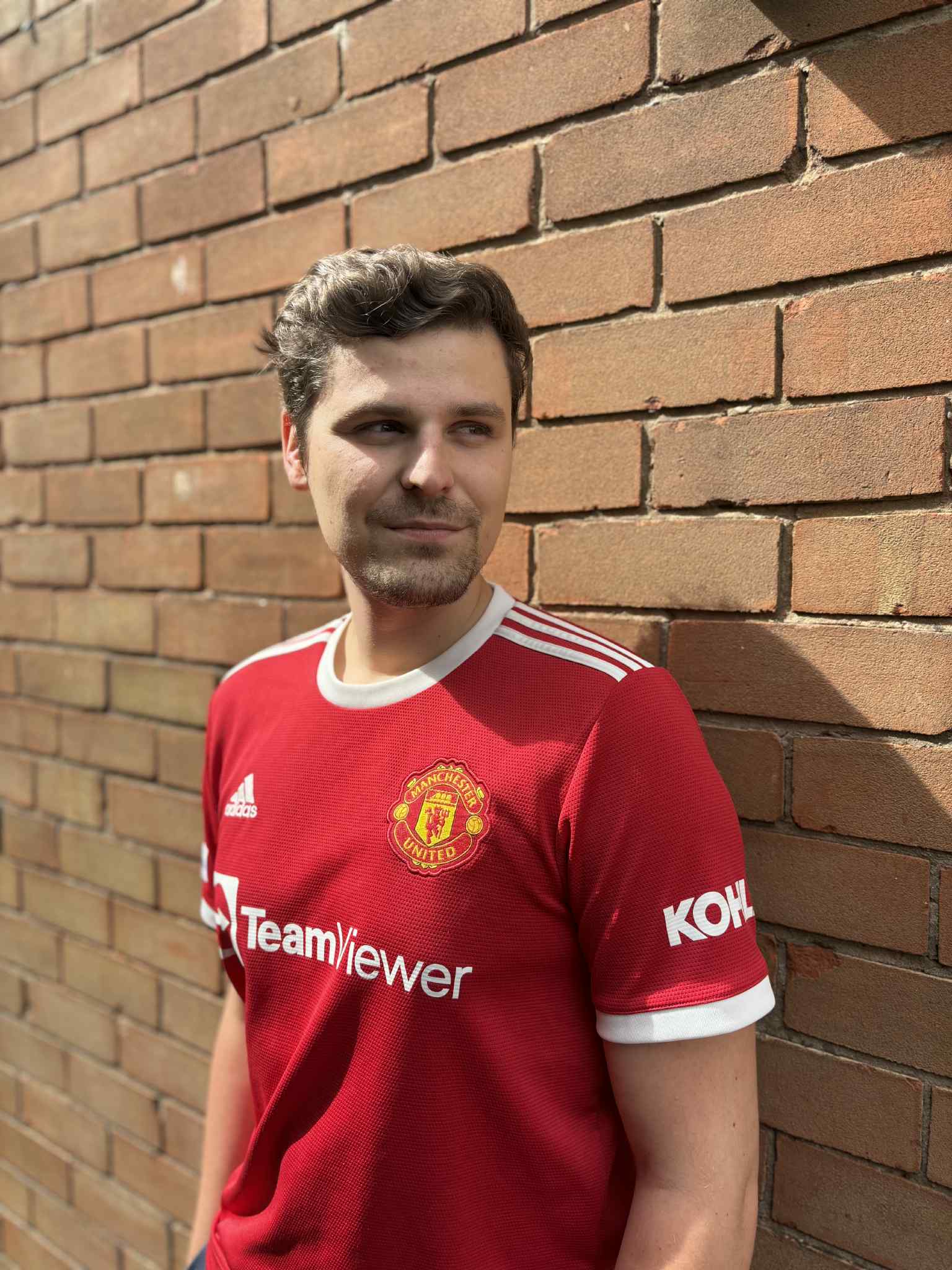
Photograph of Wojciech Koszynski, taken by Agata Czarnyszewicz
Photograph of Wojciech Koszynski, taken by Agata Czarnyszewicz
Sometimes, how supporters are dedicated to a club is so passionate that it doesn’t necessarily make sense.
He said: “The club does become a part of the community; it’s almost cult like for the fans.”
“You think about what a cult is, a football club and football supporters tick most of the boxes.”
“We all go to these gathering in one place at a certain time, every weekend, and then when things are going great and we’re celebrating, we do a lot of things to make sure people hear about it.”
When it comes to expressing emotions, Wojciech was open about how football can make him feel.
He said: “Only the really bitter, more important losses hurt my moods back in the day. I can freely admit the 2009 Champions League loss to Barcelona was the first time I cried watching football. The next one was the 2011/12 title loss to [Manchester] City on the final day, with the final kick.”
“Back then, I was definitely a lot more emotional about it, and I let it affect me quite a lot, but the more you suffer through it, the more you kind of get used to it.”
“At the start, was definitely quite high emotion, and you know, I cared so much for the club, but you know, it made me cry when they lost the big game.”
But despite Manchester United having a terrible season, finishing towards the bottom of the table and losing in the Europa League final, a new season means there are new opportunities to win silverware and achieve success.
He said: “I care a lot for the club, and I can’t wait for them to be back. I still get really excited. My moods are very high when preseason is happening, and you see signings come through. It does have that like endorphin boost, where you’re like, we might actually do something.”
 Built with Shorthand