
Slowing Down
Fast Fashion
How to make your clothing more sustainable, and how the fashion industry is changing for the better.
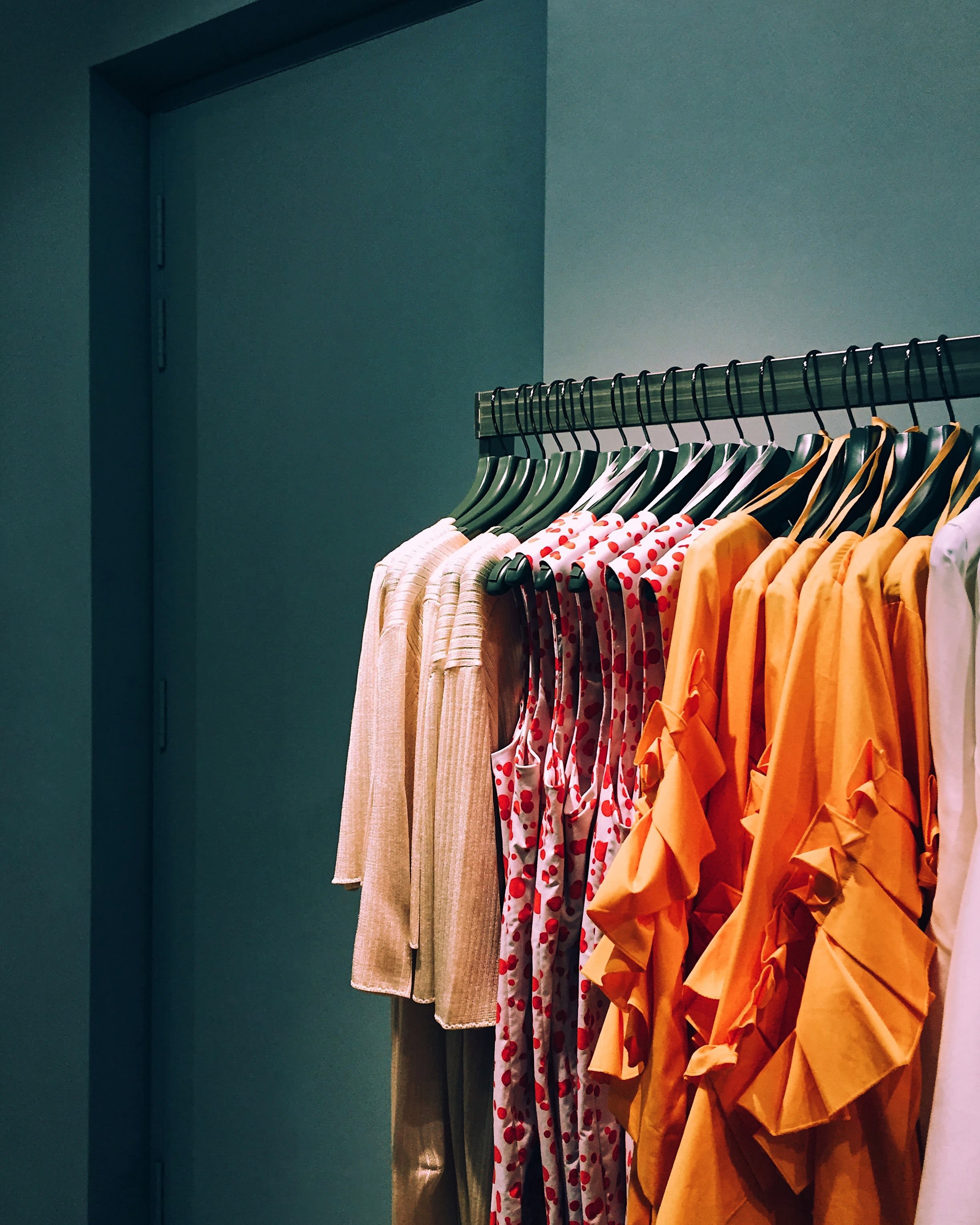

Despite the affordable allure of fast fashion, the production, transportation, and limited lifetime of these products are harming the planet.
Good On You, a campaign group for sustainable fashion say that the bulk production of clothes, along with the harmful substances in dyes and pesticides in farming contribute to climate change. They also say that fast fashion leads to fast disposal, creating an issue with landfill.
However, the way that we shop is changing. Recycling, reparations and second-hand or ‘pre-loved’ clothes are more accessible than ever. Even your most worn, holey t-shirt has a second shot at life. The fashion industry is making gradual, yet progressive strides towards becoming more sustainable. This, however, leaves consumers with a dilemma: how to we reduce the carbon footprint of our cargo pants?

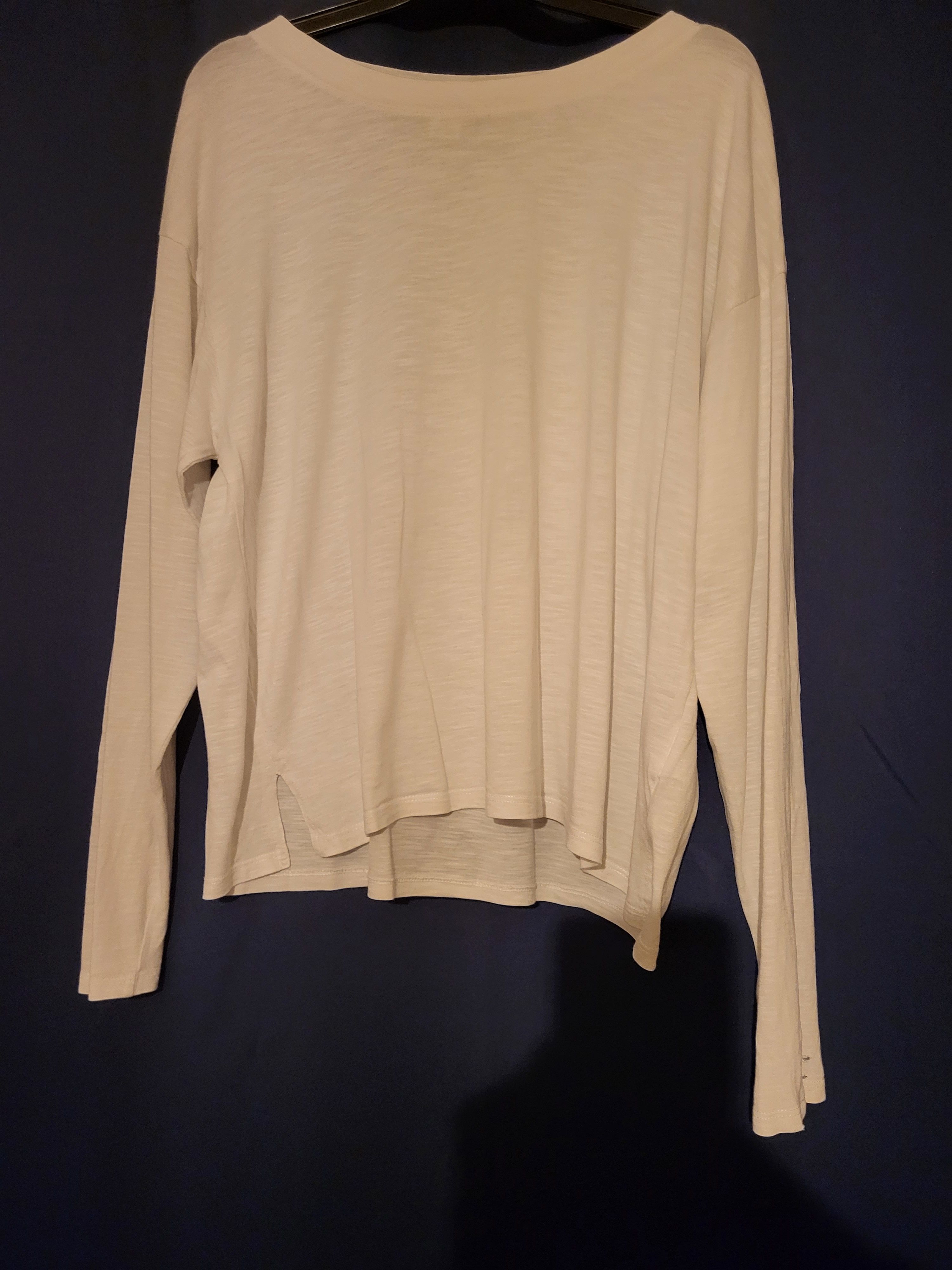
An example of an old, worn shirt. Photos by Daisy Miles
An example of an old, worn shirt. Photos by Daisy Miles
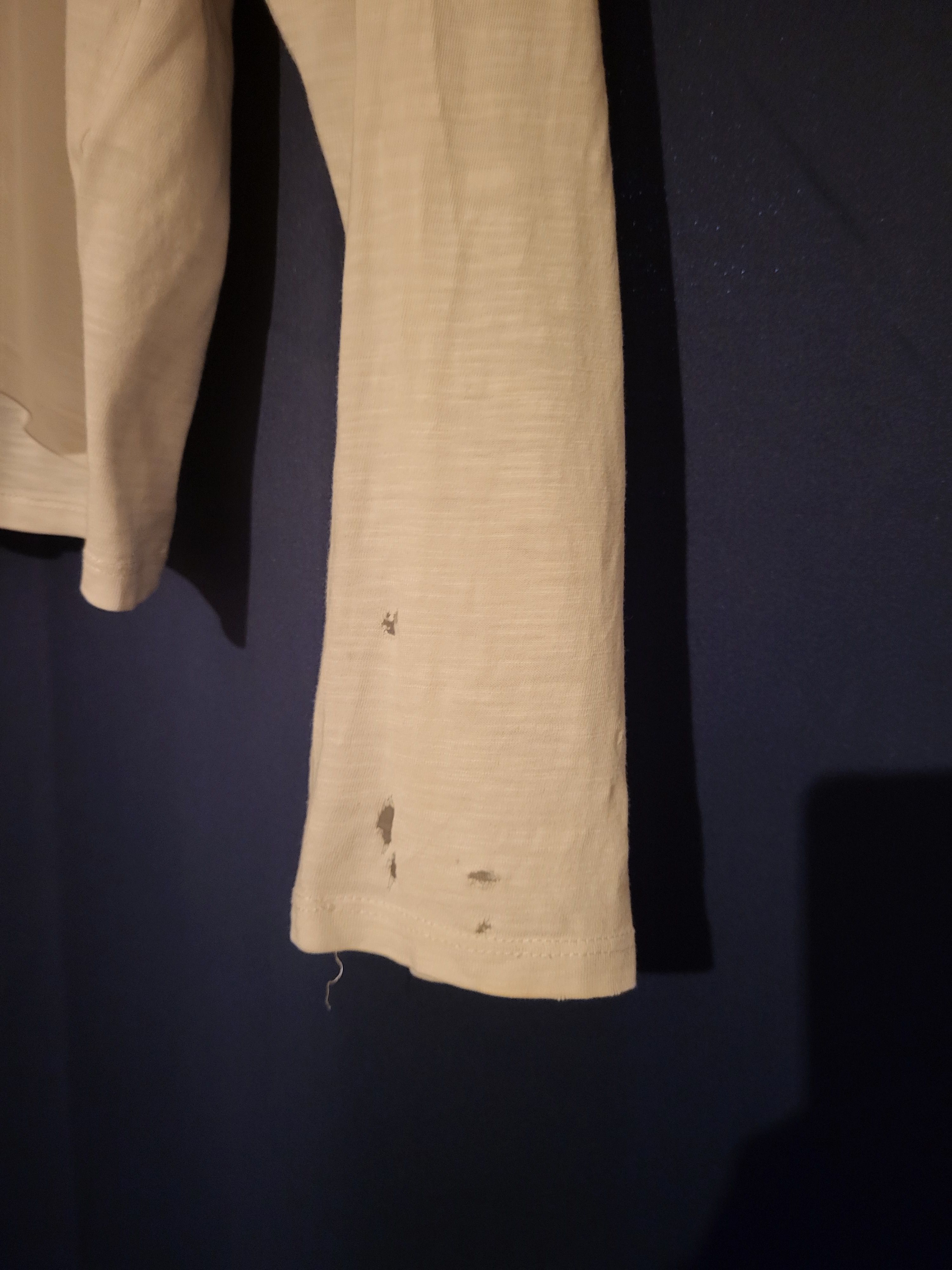
An example of a worn shirt with holes. Photos by Daisy Miles
An example of a worn shirt with holes. Photos by Daisy Miles
In the Making

If you buy your clothes in the UK, data suggests that the majority of clothes are imported from elsewhere. Global data platform Statista found that the majority of apparel in the UK in 2022 was imported from Asia and Oceania. Furthermore, The Office for National Statistics found that textiles output in the UK has declined significantly since the 1980s.
A group of Instagram users disclosed where their clothes were made. This was put into a map, seen below. The majority of responses said Bangladesh, which is nearly 5,000 miles away.
A key dilemma in the fashion industry is transparency. For consumers, it can be hard to pinpoint where materials are sourced, their waste products, and how sustainable these products are transported.
Fashion Revolution has tried to change this since 2013. Fashion Revolution is a global campaign aiming to influence the fashion industry into becoming more sustainable. They release an annual ‘Transparency Index’ that reviewing 250 of the world’s largest fashion brands based on their environmental pledges.


I asked people on Instagram where their clothes were made. Daisy Miles
I asked people on Instagram where their clothes were made. Daisy Miles
Their 2023 Transparency Index shows that 94 per cent of major fashion brands do not disclose what fuel is used when they manufacture their clothes, and 93 per cent of these brands disclose their wastewater test results for hazardous chemicals.
Only two of the brands reviewed in the index achieved a rating of 80 per cent or higher, meaning that they have demonstrated good transparency. This is the first year that two companies have surpassed the 80 per cent mark, as Gucci joined OVS who ranked best for transparency.
Italian fashion brand OVS has established a strategy to make their cotton farming more sustainable. They have reduced the usage of pesticides in their farming, while managing how they use their water and soil to create more resilient cotton crops in the changing environment and encouraging the absorption of carbon dioxide.
Programmes like this are pioneering for both fashion and the planet, setting precedent for other companies to make more progress in sustainability.
Wear again and again

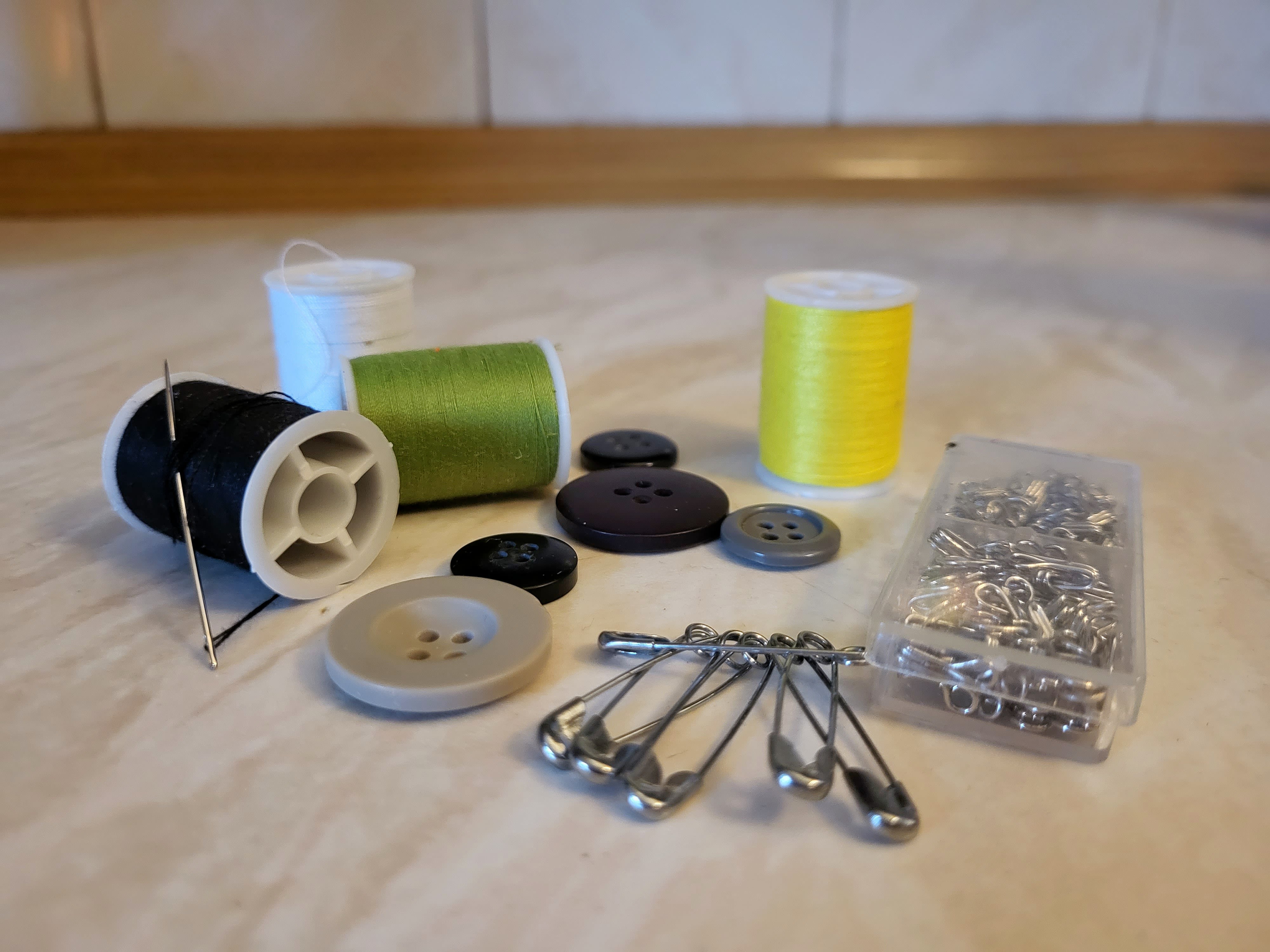
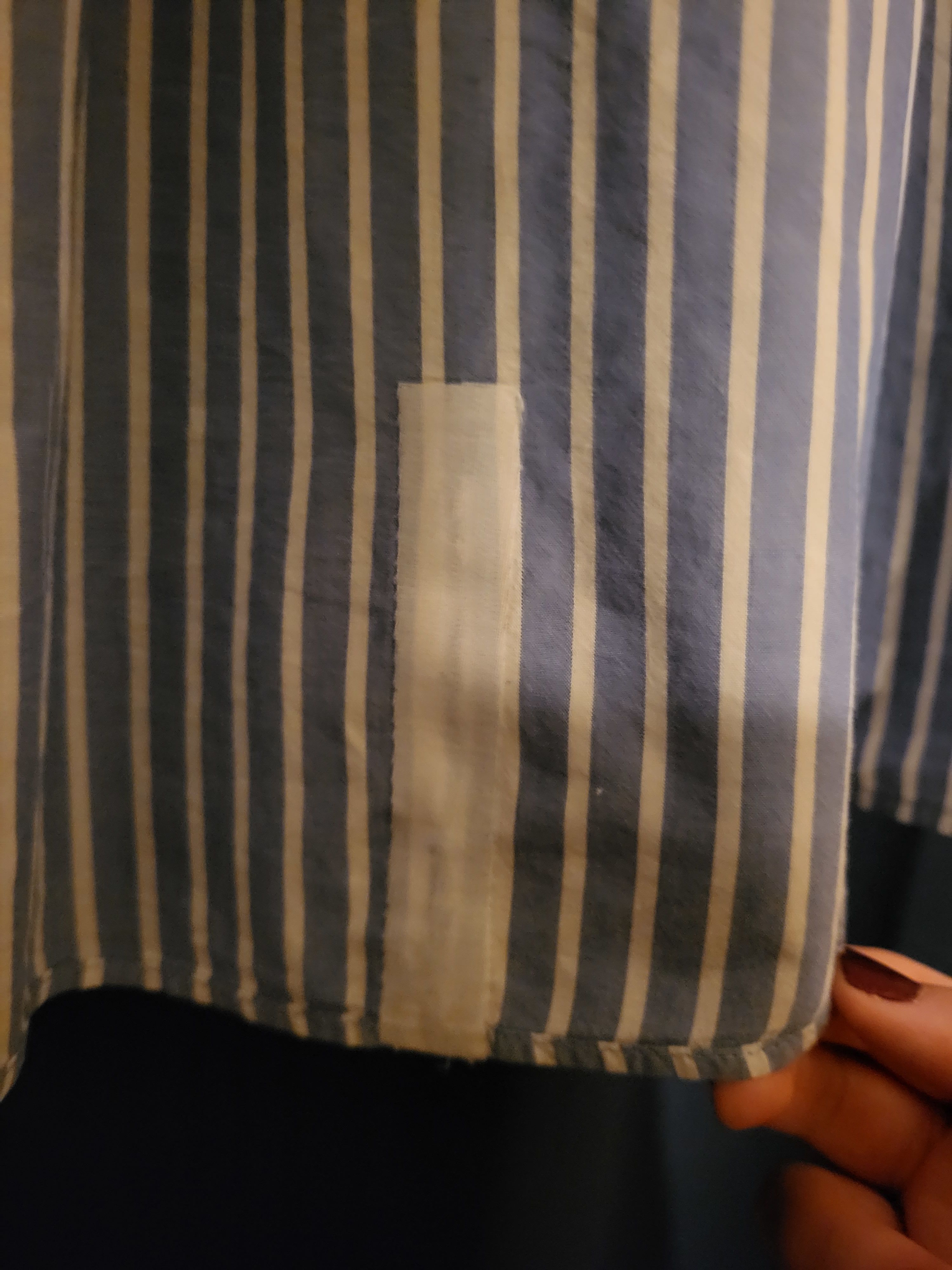
An example of a torn and repaired shirt. By Daisy Miles
An example of a torn and repaired shirt. By Daisy Miles
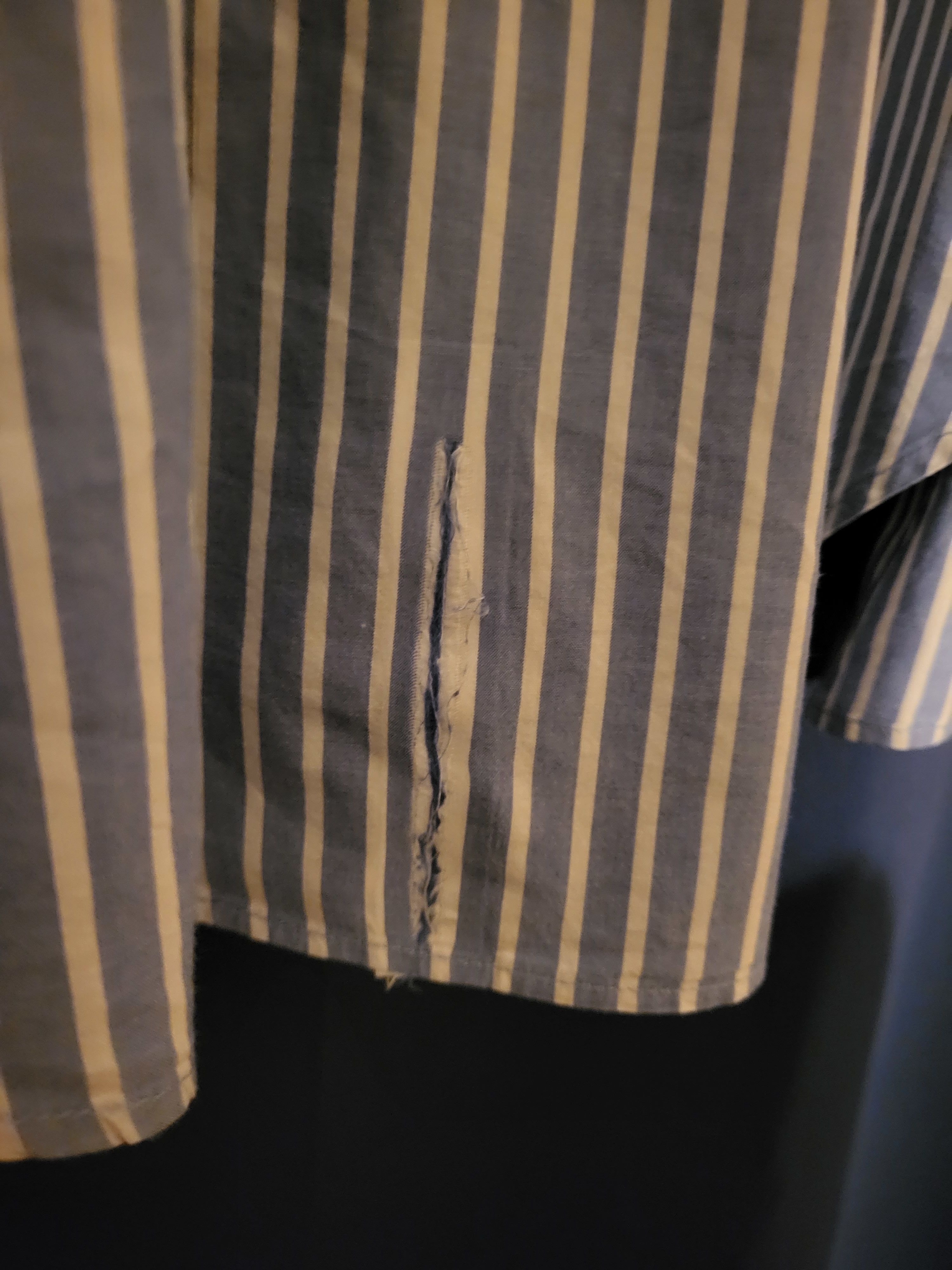
An example of a torn and repaired shirt. By Daisy Miles
An example of a torn and repaired shirt. By Daisy Miles
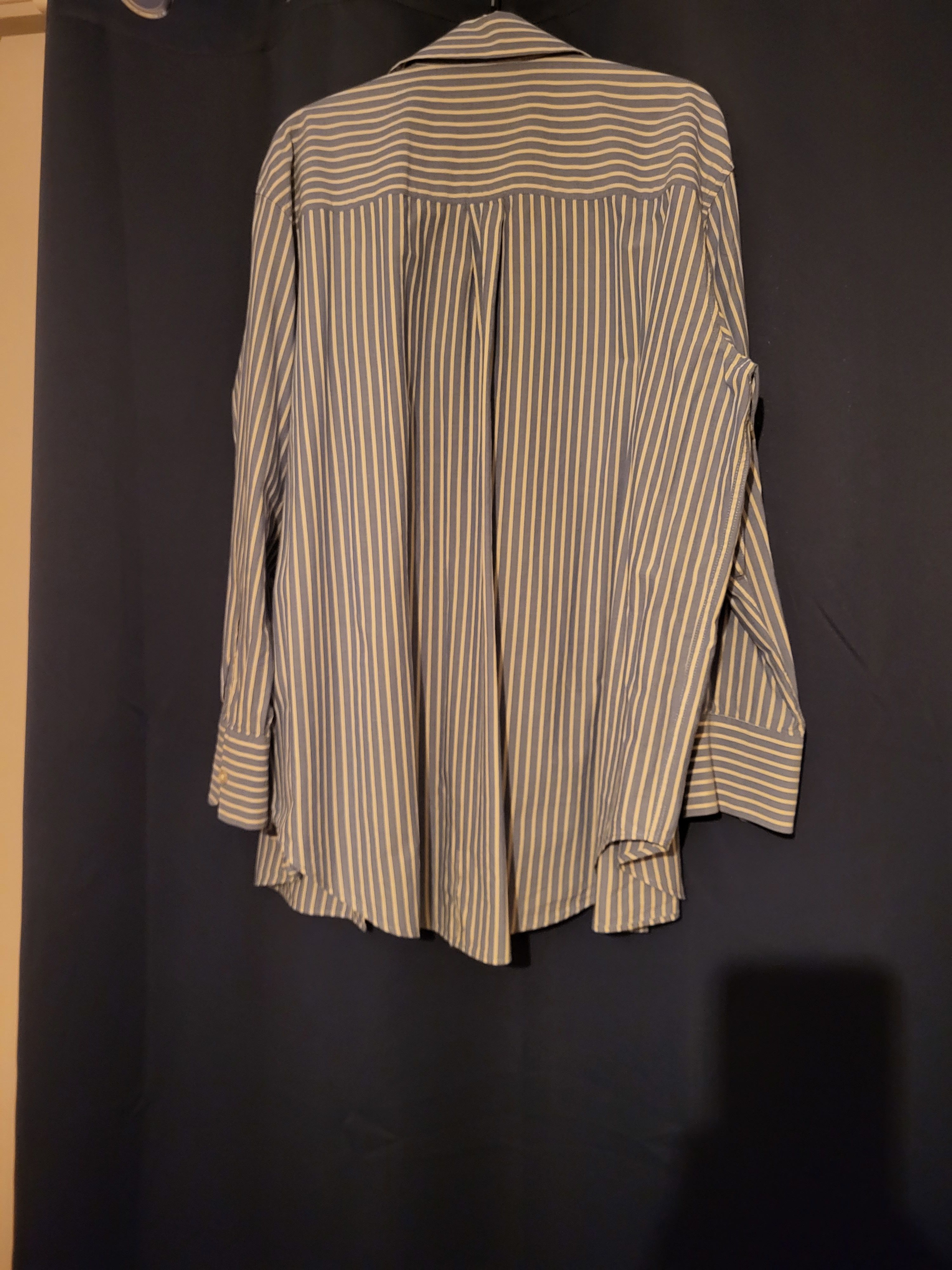
An example of a torn and repaired shirt. By Daisy Miles
An example of a torn and repaired shirt. By Daisy Miles
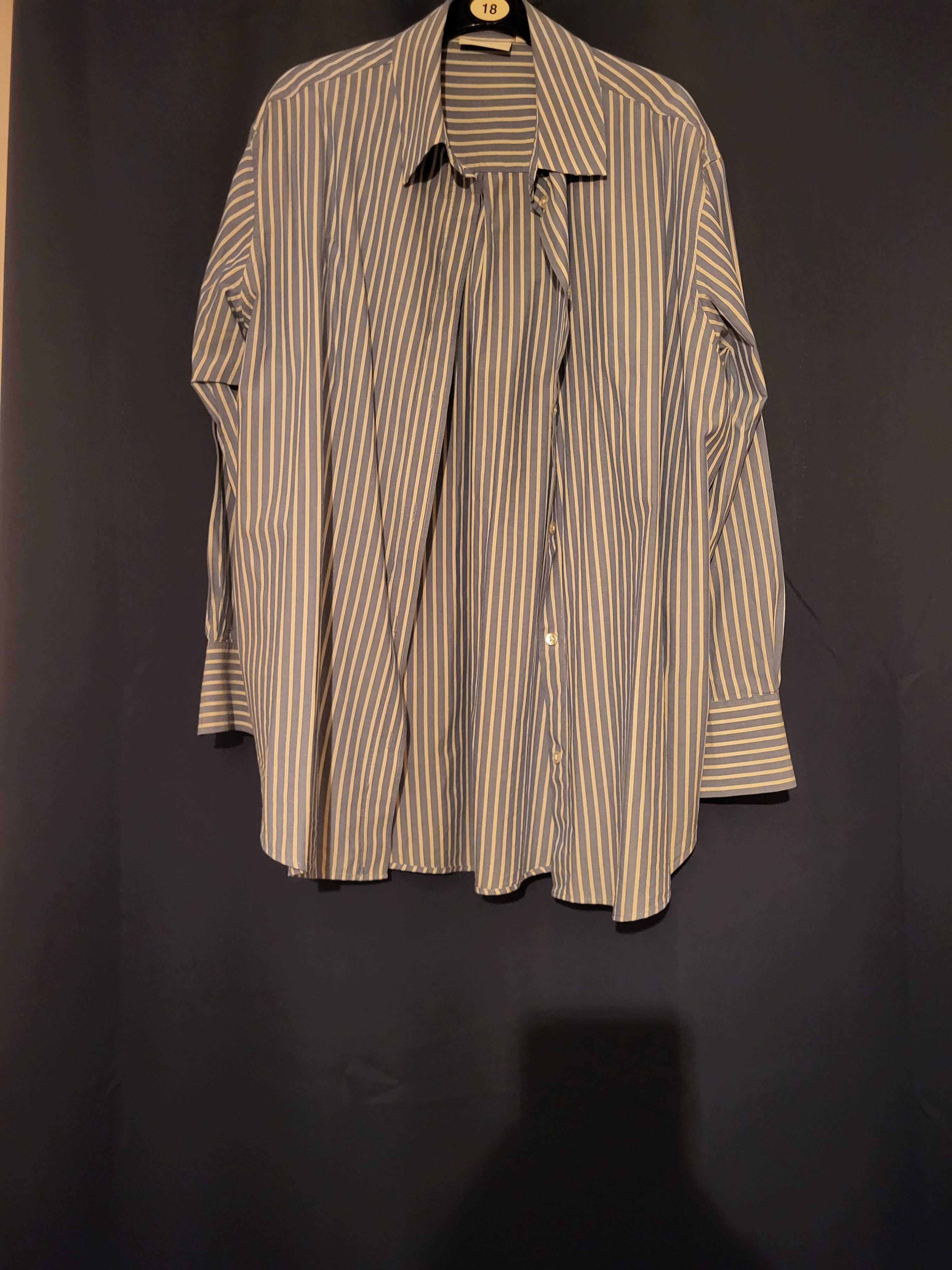
An example of a torn and repaired shirt. By Daisy Miles
An example of a torn and repaired shirt. By Daisy Miles
If you are feeling guilty about your fast fashion purchases, fear not. Things can only look up from here. After all, throwing your fast fashion wear away will not help the environment either!
Georgina Wilson-Powell is a journalist who has published a series of books about sustainability, her most recent book being ‘365 ways to save the planet’. She said that to balance the carbon emissions put into your fast fashion clothes, then you need to wear them at least 30 times. If you own a shirt for three years, that means you would need to wear a shirt ten times a year to effectively slow it down. If you own it for longer, then you can get away with wearing it less frequently, but you can still hit the 30 wears.
Wilson-Powell’s advice is to not buy a piece of clothing if you don’t think that you will wear it so many times. Another issue is that some fast fashion garments are not built to last as they are made of less durable materials. Life may get in the way, and our clothes may no longer fit us. In the meantime, it is worth considering getting repairs and alterations to your existing clothes to make them last longer.
If you have a shirt with holes in it and you have the supplies and capability, then you can stitch them up yourself. Otherwise, keeping some mending tape or hemming web may come in useful for an easy and quick fix. However, not everyone is that way inclined.
Importantly, it is now easier than ever to get clothes repaired and altered. You can take a trip to your nearest Timpson, and some shops like Uniqlo have alteration stations in-store.
These businesses have also kept up with the staying-at-home era. Companies like Sojo offer a door-to-door service for clothes repairs and alterations. Services like these can offer people with mental health issues or accessibility needs with a useful alternative to a high-street adventure.
A Second Life?

In the past five years, younger people have been frequenting more ‘vintage’ shops or charity shops. Staff from Berkeley University’s Economic Review academic journal identified a series of reasons to explain ‘the rise of thrifting’, including the influence of the internet and environmental concerns.
The social media platform TikTok has a large thrifting community. Videos of 'Thrifting Hauls' where people show heaps of clothes that they have bought in thrift shops for a cheaper price. Such videos get millions of views. This particular TikTok has received 4.1 Million.
Beyond social media, second-hand fashion apps have gained traction in the past couple of years. People would be most familiar with Vinted and Depop, where people sell their second-hand goods. Depop reported that 90 per cent of purchases on their app in the UK prevented the purchase of a brand-new item.
Depop’s survey of over 5,000 users found that they would prefer to extend the lifespan of their clothes through donation, selling their clothes or by passing it on to friends or family. Meanwhile, Vinted reports that a fifth of their users are motivated to circulate their clothes by environmental concerns.
In the UK, charity shops are a key source for pre-loved clothes. Henry, an 18-year-old student from London, has been shopping at charity shops since he first got pocket money to do so. Now, most of his wardrobe consists of second-hand clothes.
Interview with Henry. Video by Daisy Miles
Henry also spoke about the prospect of upcycling clothes that he had bought second-hand. He mentioned a pair of jeans that had been torn, and that he considered upcyling them into denim shorts, but decided not to. This, in a similar way to mending, could also help keep your old clothes alive, and possibly in line with current fashion trends.
Hard To Decide...


The future for fashion is bright. With multiple options to keep your clothes in circulation, progress is in the making. But what if your clothes are no longer fit for wear?
Many shops now offer vouchers in exchange for recycling textiles. Many of these programmes, however, can be quite exclusionary as they may only take clothes from their brand. This would eliminate many shops where I could dispose of my shirt, it only comes from one brand after all.
There is one recycling scheme, however, that offers a hybrid approach to recycling textiles.
Oxfam’s ‘Shwopping’ programme allows you to donate your clothes in bins at M&S stores, where they sort clothes to either be sold at their charity shops or to be recycled. Gary Henry, the Partnerships Manager for Oxfam UK, explains.
He said: “There are two ways to go Shwopping.
“You can donate your unwanted clothing in a ‘Shwop Drop Box’ in an M&S store, if you do donate, you can scan the QR code and a treat will appear in your Sparks card wallet, for example a packet of Percy Pigs, or a coffee or pastry.
“You can also donate in an Oxfam shop, as long as one of your donated items is an M&S branded item you can receive a £5 voucher to spend on a £35 spend on clothing, home or beauty products (terms and conditions apply) in an M&S Store.”
If the clothes are not fit to be sold in charity shops, Mr Henry said that they “will be sold to recycling companies who can recycle them to various things, a few examples being mattress stuffing, insulation, underlay or packing materials”.
Mr Henry said that the charity estimates that since the project began in 2008, over 36 million items have been donated, and that these items of clothing have generated an estimated £23 million.
He described Oxfam’s shopping programme as the “pioneer of takeback scheme”, and the “most long-standing and recognised customer takeback scheme there is”.
He explained that sustainability is at the heart of the charity’s “life-saving work”, as an organisation that has been “reusing and repurposing clothing and homewares for 76 years.
“Oxfam is absolutely committed to extending the life of products, keeping them in circulation, diverting them from landfill and helping unwanted goods find a new and extended lease of life.”


The End?
It is now easier than ever to give your loved clothes a new life rather than simply throwing them in the bin. The dilemma for climate conscious consumers now, is that they are spoilt for choice.
How will you get rid of your old clothes?
 Built with Shorthand