
Serve to survive: The vital innovation of breweries

The decline of independent breweries is not a new concept. There are an increasing number of factors that are adding to the list of issues that the industry is facing to avoid becoming one of a number of disappointing closures that the pandemic caused to soar.
In 2020, the Good Beer Guide listed that there were 1,816 breweries in the UK. They began to reach their peak, before the pandemic clamped down on them with a growing list of issues. The problems of cost, competition, and sober-curiosity may have appeared to have eased up now, but the problems remain strong even in 2024.
In the beginning of 2024, the number of breweries stabilised at about 1815, yet this year alone, there has been a loss of 94 breweries, as found in the quarterly study conducted by the Society of Independent Brewers (SIBA). This means just over 5% of breweries have closed in 2024.
SIBA's Quarterly Beer Report
By the beginning of 2023, there were a total of 1828 breweries open in the UK.
From December 2023 to March 2024, a sum of 38 breweries were lost as they dropped from 1815 to 1777.
September 2024: Most recent data collection shows 1721 breweries, a loss of 27 breweries since June 2024.
There are some consistent and growing obstacles standing in the way of breweries' success.
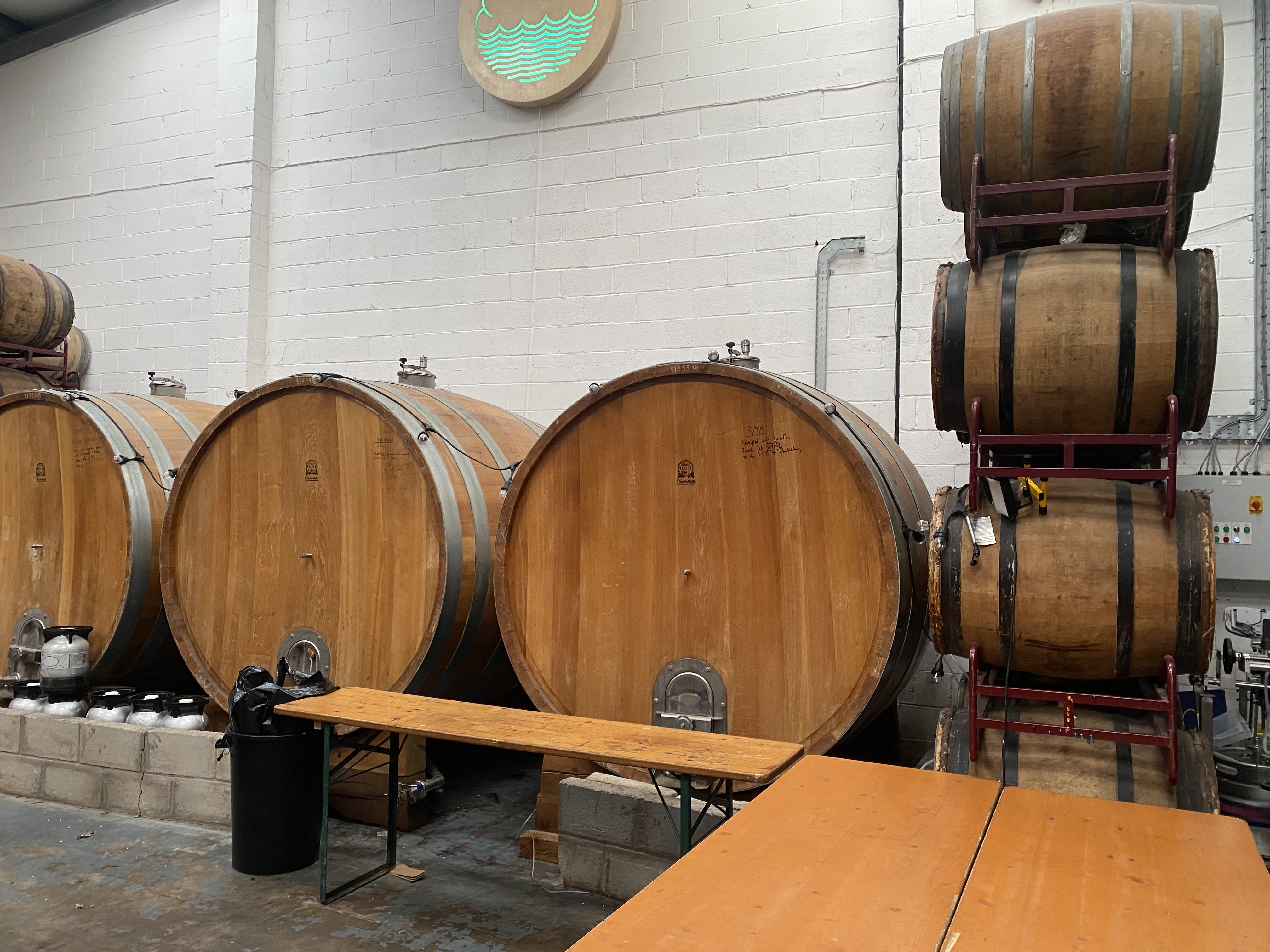
Owner of Cloudwater Brew Co. Paul Jones outlined current difficulties of collaborations being restricted due to increased competition between UK breweries.
Prior to the pandemic, he said that there were more deep and honest conversations between breweries in the UK and around the world.
He added: “I would say that it hasn't always been possible to access the same depth or openness of conversation with other breweries here in the UK, because I suspect they feel as much a competitor as a peer.”

The issue of cost was also outlined, as the BBC reported that the price of pints could rise as much as 40p as a result of the Chancellor’s budget report on October 30.

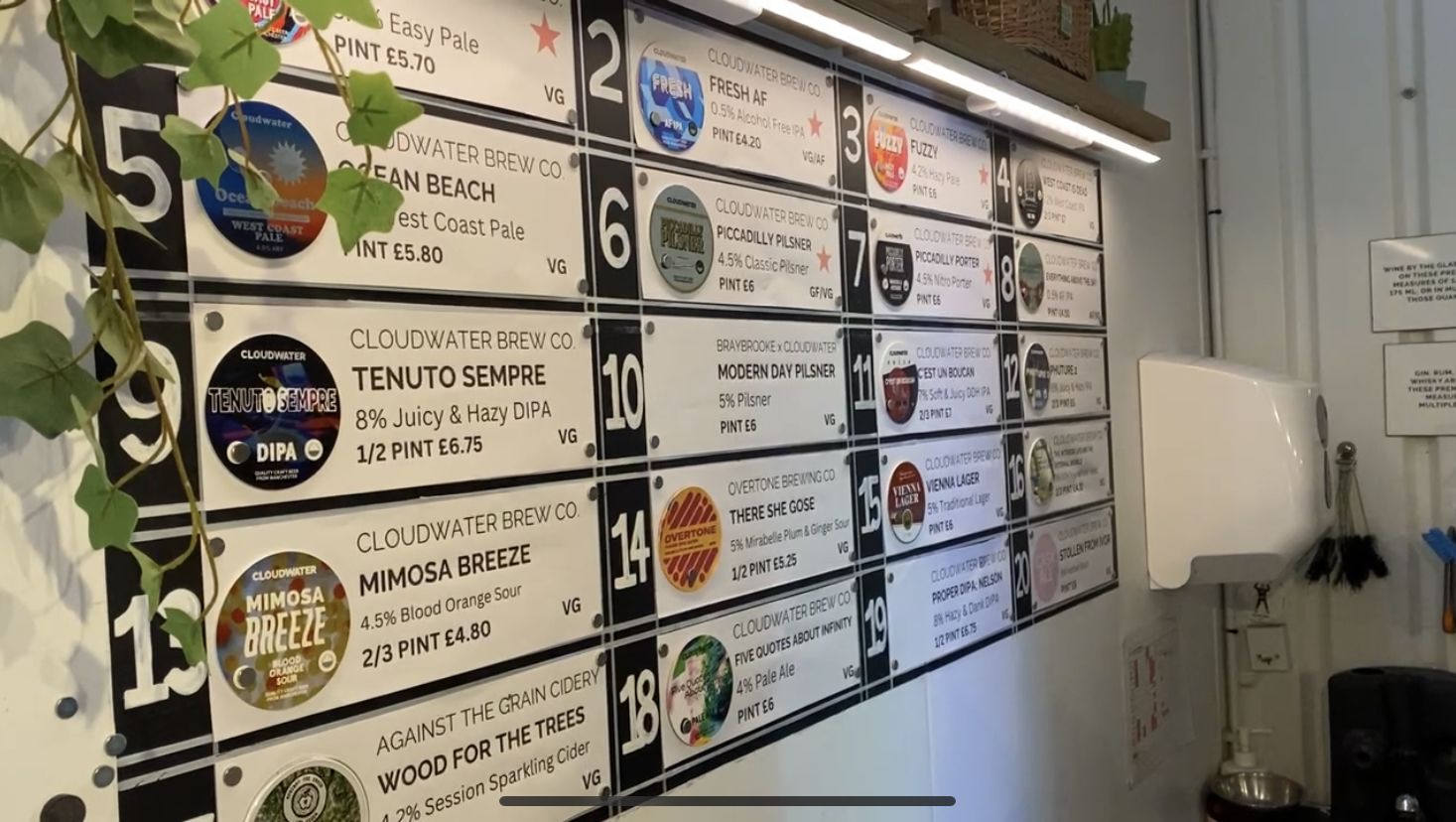
Chair of the London Brewers’ Alliance Gawain Cox acknowledged that this will be hard for independent breweries, not only in terms of pint prices rising, but also the acquisition of energy and raw materials.
He said: “Independent brewers need to be nimble, but this also requires access to capital and resources, which many don’t have. While the worst of the pandemic may be behind us, the economic aftershocks still make life harder for many smaller brewers.”
Cloudwater owner Paul Jones said: “I feel as though, what's always rational in business is you take a long term view, and you accept that sometimes short term, difficult decisions need to be made in order to create more favourable long term conditions.
Why do people drink craft beer?
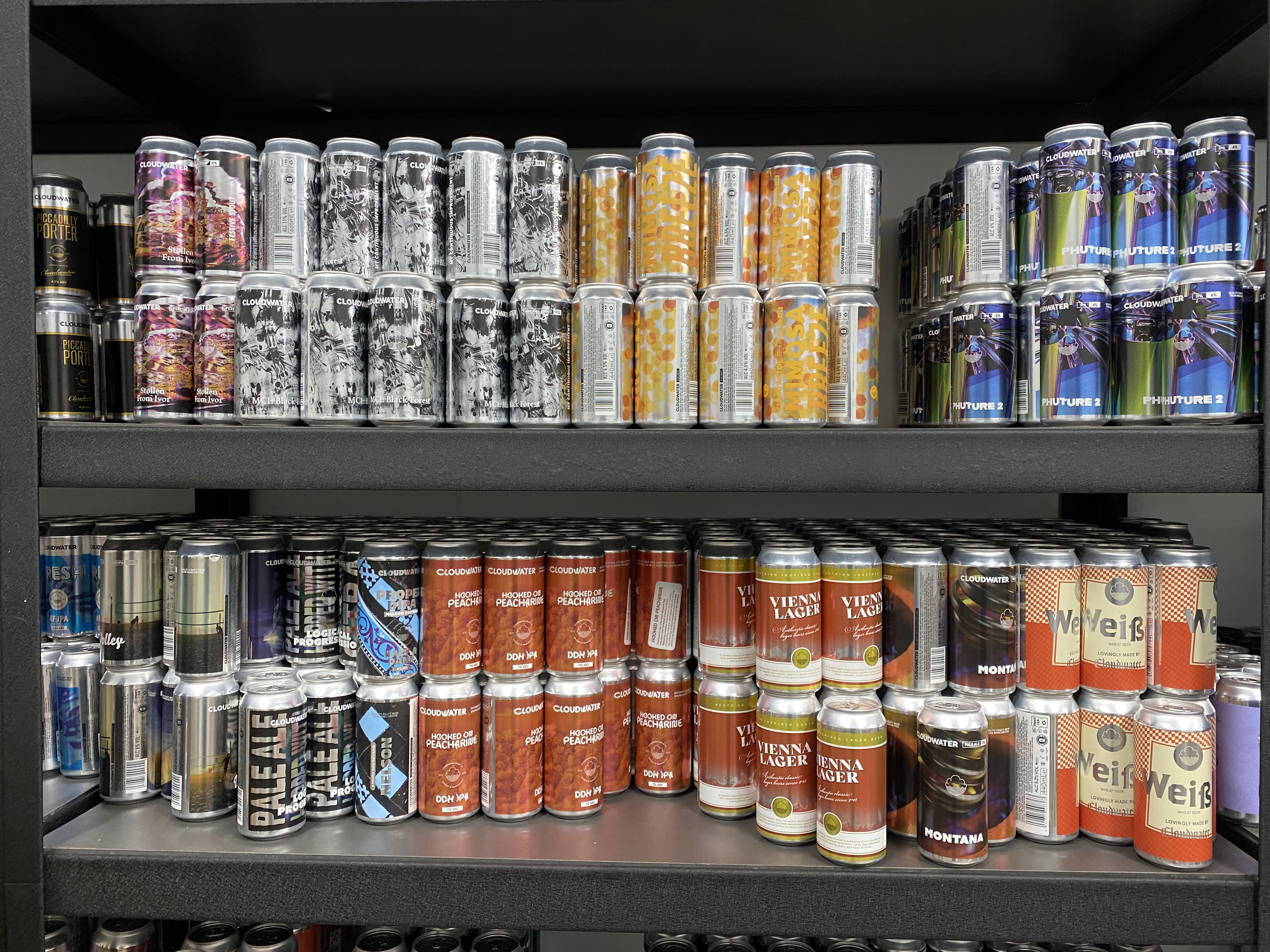
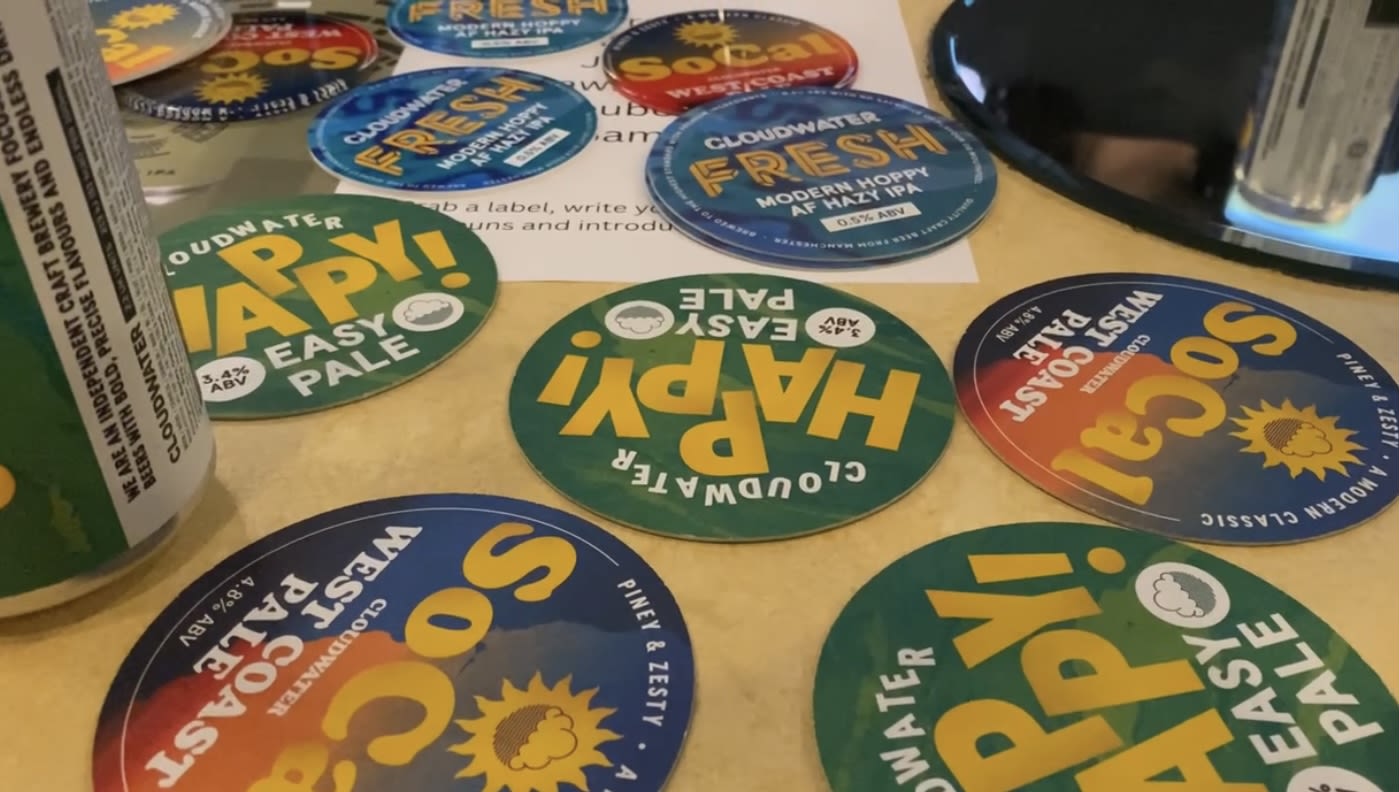
There has also been an increase in sober-curiosity over the past few years, and Paul Jones said that Cloudwater is pioneering in their innovation to match the trends of alcohol-free options.
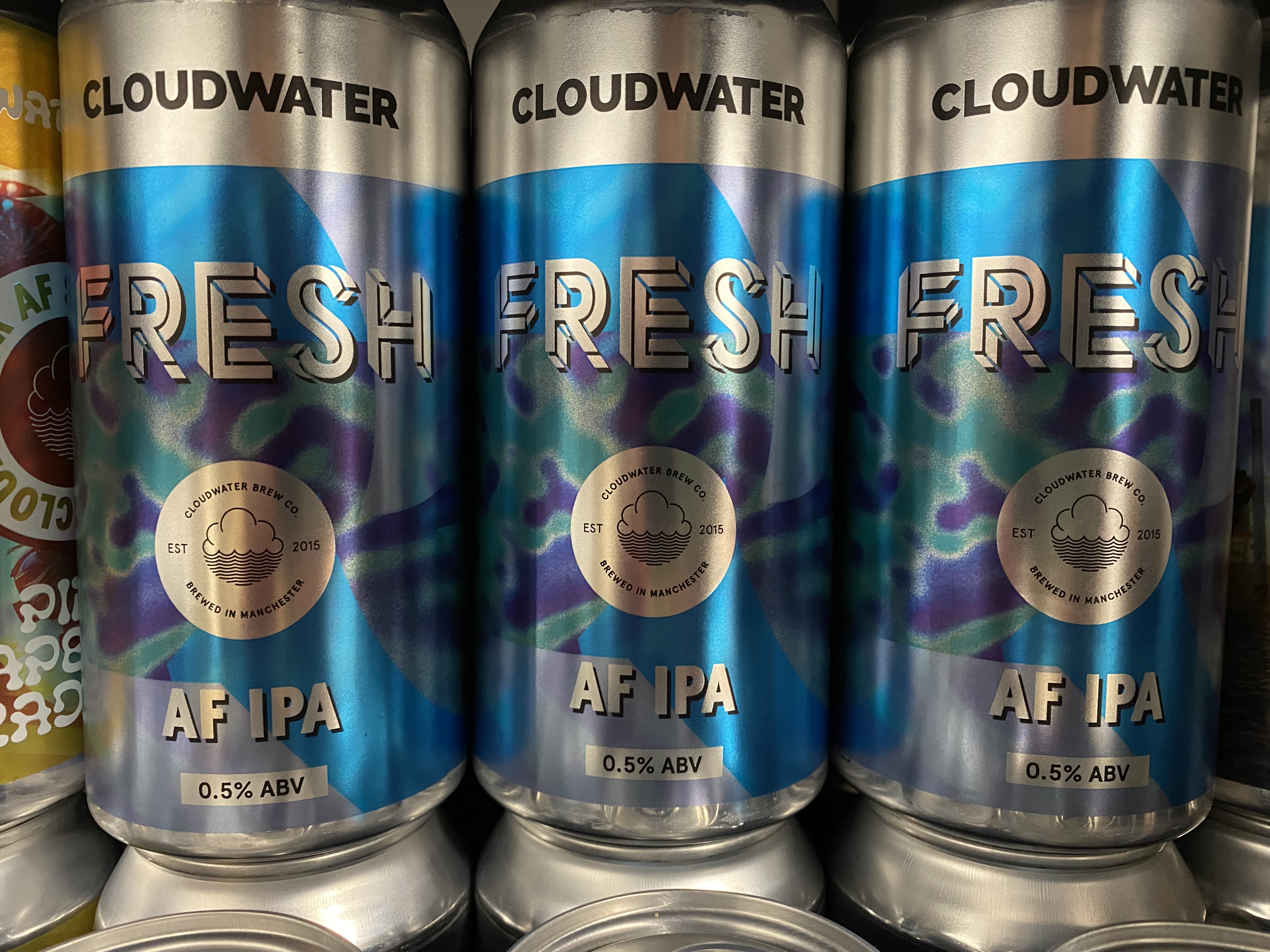
He said: “We released an alcohol free beer late last year, and it seems to be trending towards being a very, very strong second place contender for volume and also turnover.”
He added that it could become the number one product within the next couple of years.

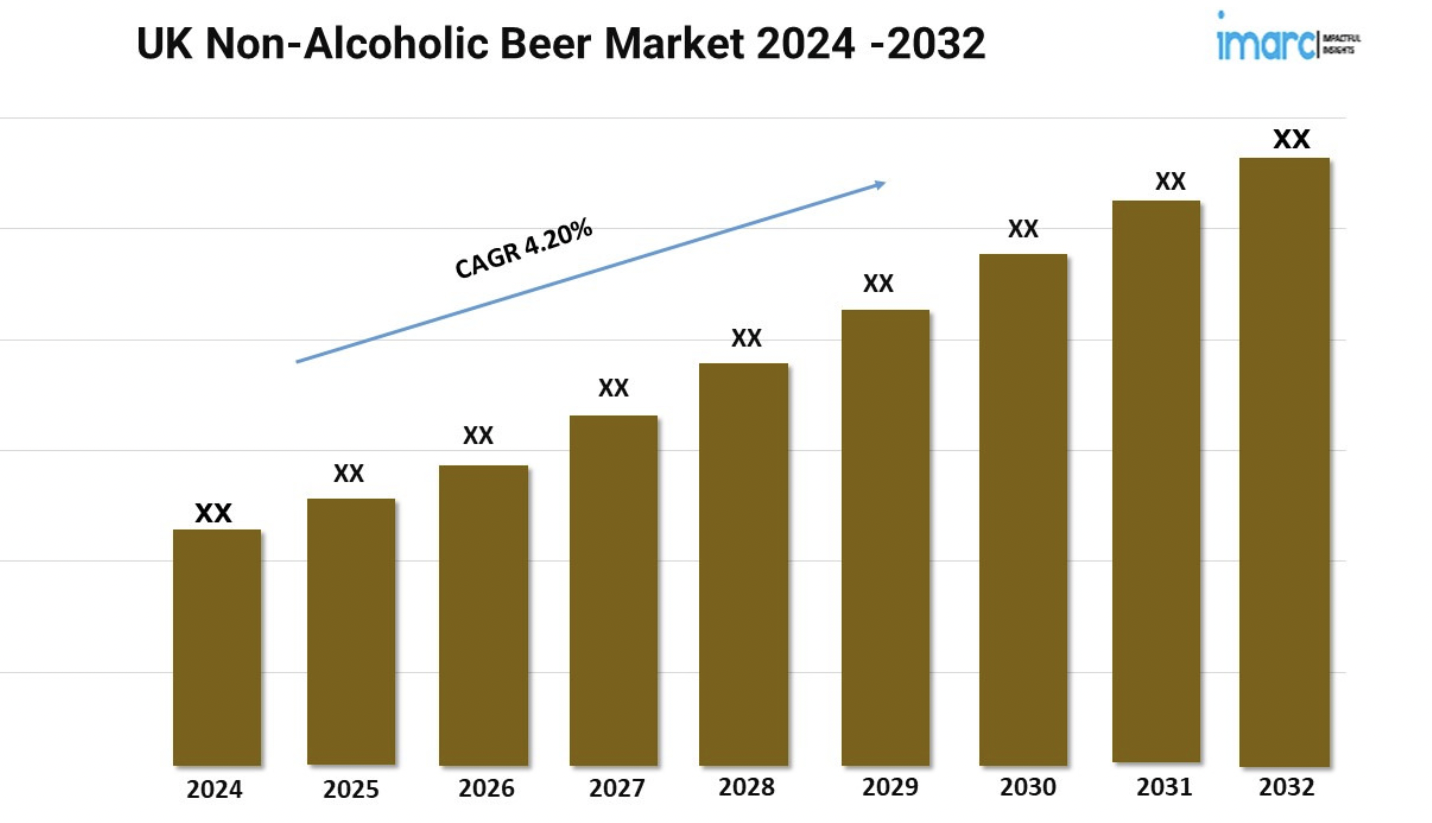
Graph by IMARC
The IMARC group predicted that between 2024-2032, the non alcoholic beer market is set to show a 4.2% growth rate each year.
They reported: “The market is experiencing robust growth due to rising health consciousness, innovative product offerings, and increasing social acceptance.”
This has resulted in the need for breweries to innovate in order to survive the sustained difficulties put before them.

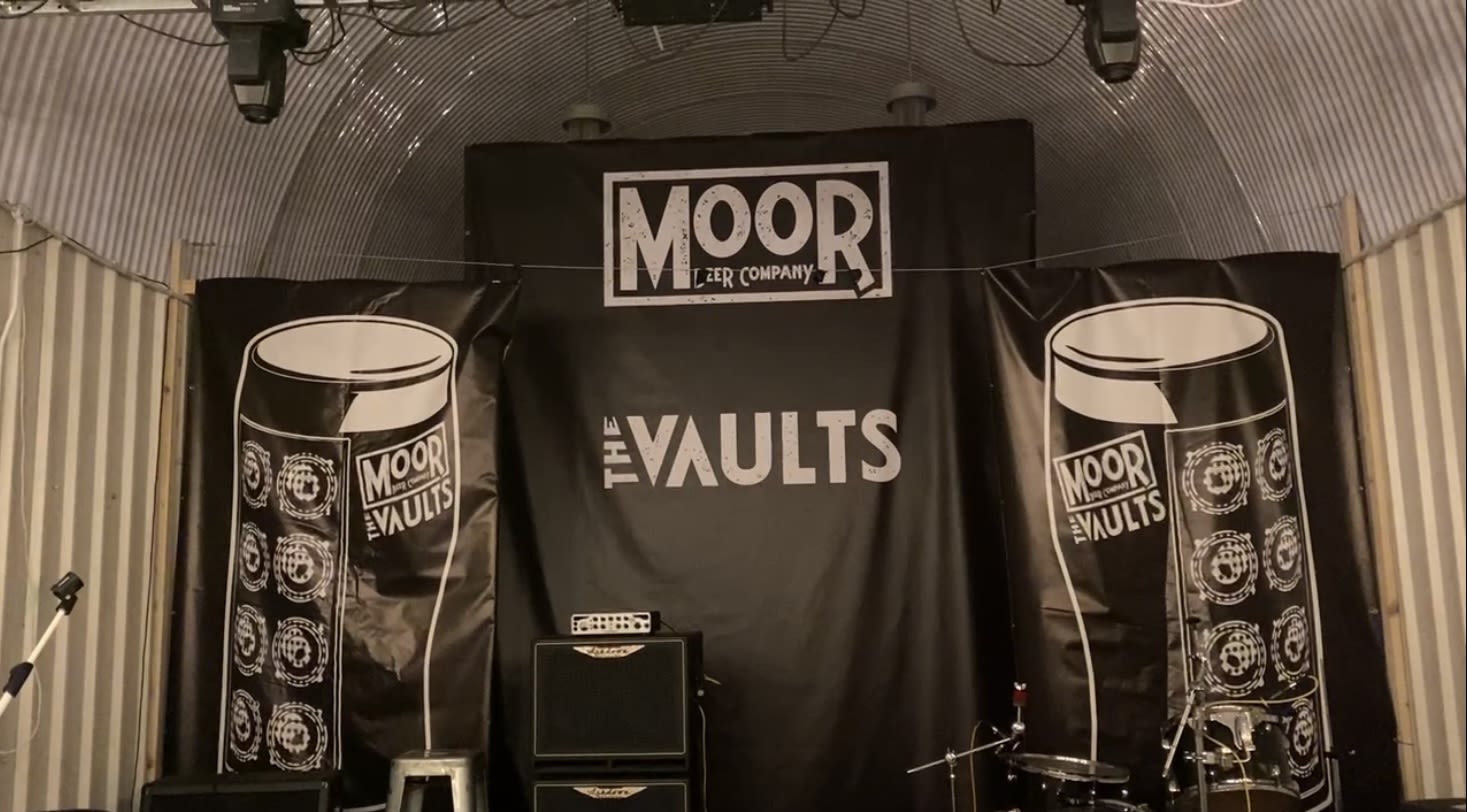
Whether it be Cloudwater’s focus on developing alcohol-free beers to match the growing interest, or Moor Beer Vaults hosting live performances at their venue, to succeed, the breweries have had to diversify their services to keep up with demanding obstacles.
An interview with Lauren English, manager of Moor Beer Vaults
Gawain Cox added that the demographic of beer drinkers is stable, but a younger generation of craft beer lovers are coming onto the scene.
He said: “We’re also seeing more people from outside the traditional craft scene – people interested in sustainability and innovation in brewing, which is encouraging.”


SIBA's 2024 Craft Beer Report shows causes for concern and optimism in the craft beer industry.
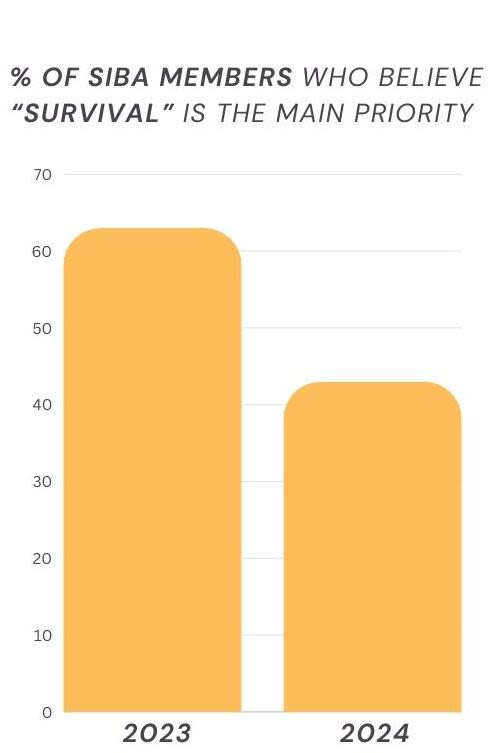
Whilst they stated that 43% of SIBA members labelled “survival” as their main priority, this is down from the 63% who stated this in 2023.
This is, however, still a much higher figure than desired, SIBA reports.


While this report may show a loss in breweries, focusing on those that have survived the turbulence shows how they have had to look at the bigger picture of how breweries work in relation to both the current and prospective needs of the consumer.

 Built with Shorthand