
Safe and sound:
Navigating gigs for women and queer people.
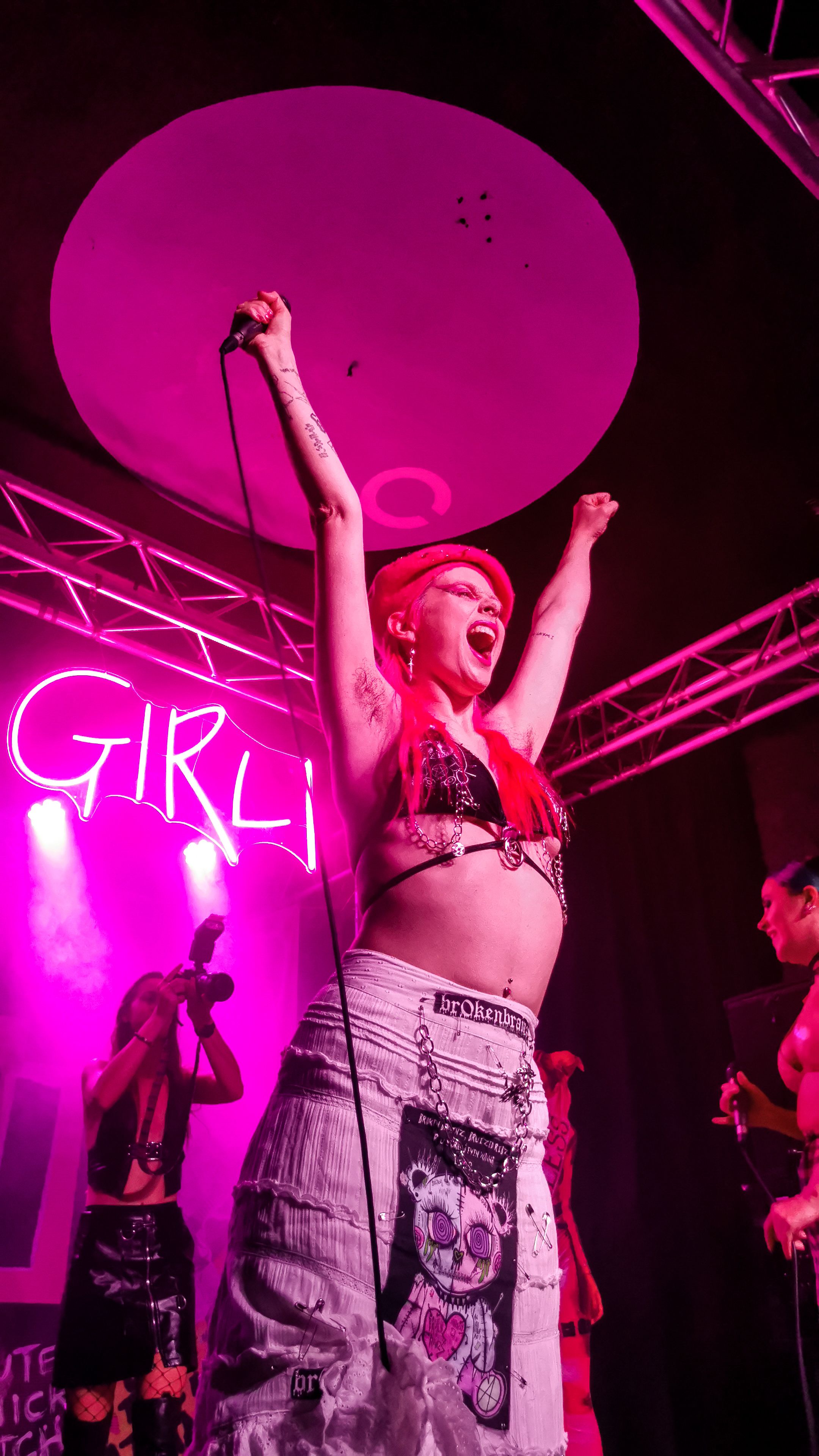

"When the bands started playing the teenage crowd started to mosh, but this caused a lot of issues as we were already shoulder to shoulder, it caused a lot of non-consensual touching and when people fell it was very hard for them to get back up, a 15 year old girl got assaulted."
Five minutes. That’s how long it took Labour MP Jess Phillips to read out the names of 109 women and girls killed by men in the past year.
Since 2016, Phillips has been reading the 'Count Dead Women' list in parliament, a task that continues to ignite debate around the status of women's safety in the UK.
This year, Jess Phillips read out the name of 16-year-old transgender teen, Brianna Ghey, whose death sparked further conversation around the welfare of trans and queer people in the UK.
Many musicians spoke out in solidarity of the LGBTQ+ community after this, but lots of women and queer people argue that the music world isn’t always the safe space it claims to be.

In February 2021, Ellie Rowsell of British band Wolf Alice called out fellow musician Marilyn Manson, detailing the time she met him at a music festival, alleging that he filmed up her skirt without consent.
Manson denies the allegations against him, however, many women and queer people report that they have experienced similar situations to Ellie at live music events.
In February 2021, Ellie Rowsell of British band Wolf Alice called out fellow musician Marilyn Manson, detailing the time she met him at a music festival, alleging that he filmed up her skirt without consent.
Manson denies the allegations against him, however, many women and queer people report that they have experienced similar situations to Ellie at live music events.
Statistics from a 2018 YouGov poll found that almost half of women at festivals under the age of 40, had experienced sexual harassment. Further research conducted by Durham University found that a third of the 450 women interviewed had been sexually harassed at festivals, and 8% said they were sexually assaulted.
For queer people, the stats don't get any better, with a study from UCLA School of Law in California stating that queer people aged 16 and over, are nearly four times more likely to experience violent victimisation, compared with non-queer people.
They also found that lesbian, bisexual and trans women are five times more likely than non-LBT women to experience violent victimisation. The risk of violence for gay, bisexual and trans men is more than twice that of non-GBT men.
I conducted my own survey of 30 people aged between 16-25 to find out whether their experiences matched up with other studies' findings.
I asked women, queer people and cisgender straight men about their personal experiences at live music events and how safe they felt while there.
One matter all of the groups I interviewed seemed to have experience with was sexual abuse or harassment at gigs.
81% of women and queer people I interviewed reported that they had either witnessed or personally experienced sexual abuse/harassment at a live music event.
Cis men also reported a high number, with 78% saying that they had either seen or experienced abuse themselves.
Statistics from a 2018 YouGov poll found that almost half of women at festivals under the age of 40, had experienced sexual harassment. Further research conducted by Durham University found that a third of the 450 women interviewed had been sexually harassed at festivals, and 8% said they were sexually assaulted.
For queer people, the stats don't get any better, with a study from UCLA School of Law in California stating that queer people aged 16 and over, are nearly four times more likely to experience violent victimisation, compared with non-queer people.
They also found that lesbian, bisexual and trans women are five times more likely than non-LBT women to experience violent victimisation. The risk of violence for gay, bisexual and trans men is more than twice that of non-GBT men.
I conducted my own survey of 30 people aged between 16-25 to find out whether their experiences matched up with other studies' findings.
I asked women, queer people and cisgender straight men about their personal experiences at live music events and how safe they felt while there.
One matter all of the groups I interviewed seemed to have experience with was sexual abuse or harassment at gigs.
81% of women and queer people I interviewed reported that they had either witnessed or personally experienced sexual abuse/harassment at a live music event.
Cis men also reported a high number, with 78% saying that they had either seen or experienced abuse themselves.
From my Instagram poll, I received many different messages of people's personal experiences with live music safety, and their suggestions of what should be done to improve it.
From my study, I also found that many gig goers don't feel safe at live music events, or feel that there is anything in place to protect them if something happened.
57% of the women and queer people I interviewed reported that they do not feel safe while at gigs, festivals or concerts, whereas only 33% of cis men said they felt unsafe.

So what's the solution?
Tyne and Queer Collective, a Newcastle-based community interest company, is dedicated to organising events that foster secure environments for music enthusiasts within the queer community. Operating as a non-profit organisation, their primary objective is to establish inclusive spaces for queer individuals.
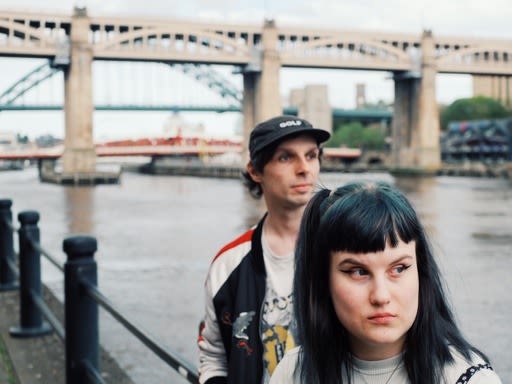
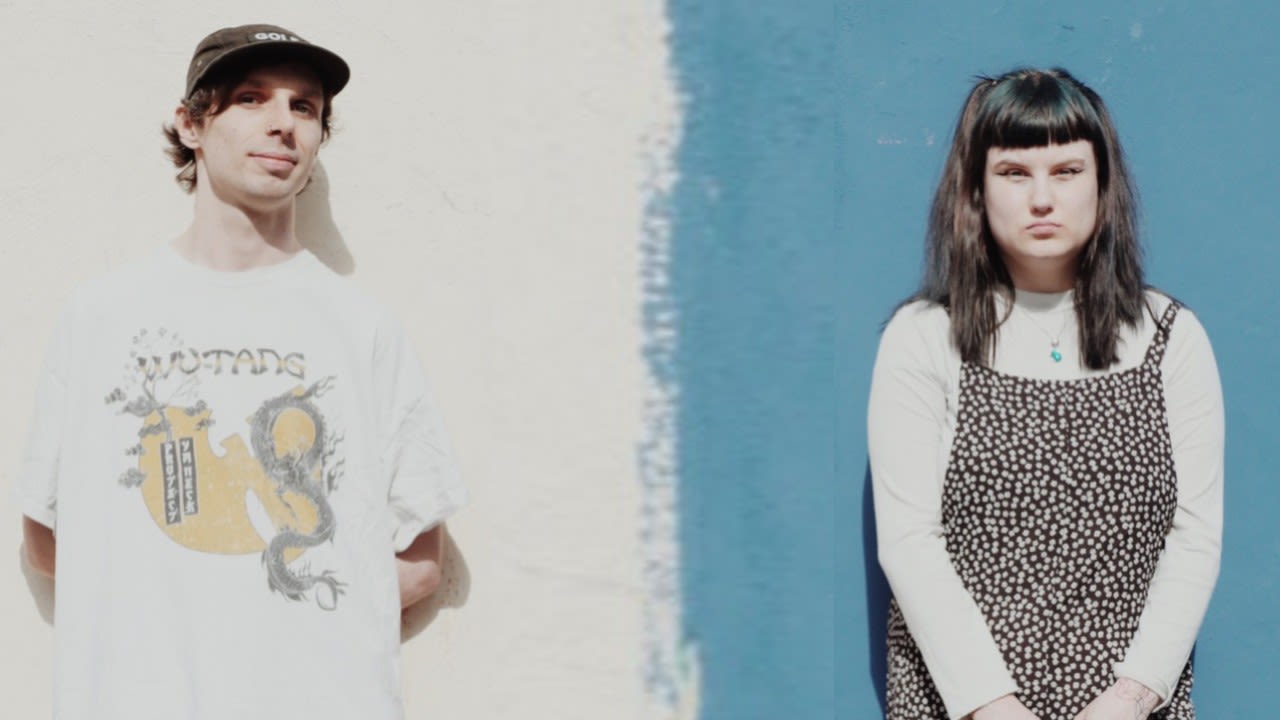
Beck Carol, 26, (they/them) and Josh Graham, 28, (he/him) established T&Q in December 2022 and have been putting various events on at venues across Newcastle ever since, including gigs, art shows, markets, and clothes swaps, all to raise money for the collective.
Tyne and Queer say that they often hear from gig-goers who feel more at ease at their shows than other music events. They also noticed that people are more inclined than usual to speak up about any abuse they face, and to report it back to Beck and Josh.
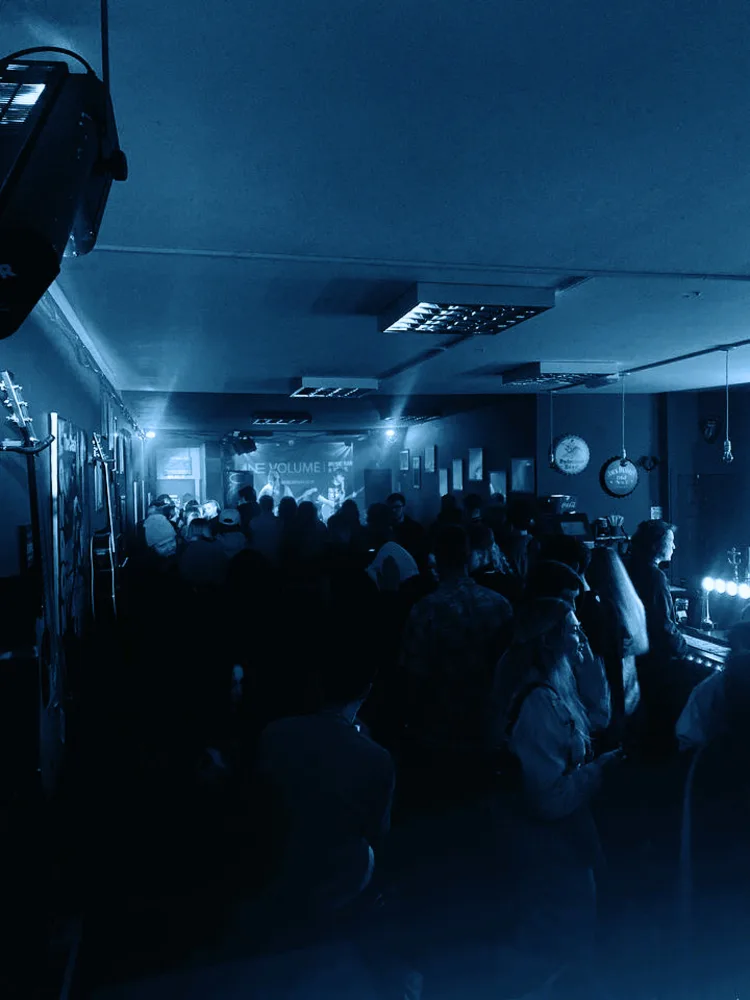
I went along to one of their gigs to experience it for myself.

So what's the solution?
Tyne and Queer Collective, a Newcastle-based community interest company, is dedicated to organising events that foster secure environments for music enthusiasts within the queer community. Operating as a non-profit organisation, their primary objective is to establish inclusive spaces for queer individuals.
Beck Carol, 26, (they/them) and Josh Graham, 28, (he/him) established T&Q in December 2022 and have been putting various events on at venues across Newcastle ever since, including gigs, art shows, markets, and clothes swaps, all to raise money for the collective.
Tyne and Queer say that they often hear from gig-goers who feel more at ease at their shows than other music events. They also noticed that people are more inclined than usual to speak up about any abuse they face, and to report it back to Beck and Josh.
I went along to one of their gigs to experience it for myself.
However, one main issue that faces many non-profit organisations, is funding, and Tyne and Queer are no different, with a current GoFundMe page set up for their latest venture.
I asked Beck and Josh if they think the work organisations like Tyne and Queer do, allows the government to take a 'back-seat' to pressing safety issues in the music scene.
Beck added, "Yeah, it's either, we have to be in control of situations, or no-one else is gonna do it."
"And there are other organisations, like The NewBridge Project and places like that, that really help us out, because we're so new to it, we really appreciate that."
Beck continued, "It's not necessarily the council, but the arts side, it's nice to have that support."
I had another chat at the gig with Bea Watson (she/they) and Thalia Lindsley (she/her), who help raise funds for Tyne and Queer through handmade jewellery and art prints.


However, one main issue that faces many non-profit organisations, is funding, and Tyne and Queer are no different, with a current GoFundMe page set up for their latest venture.
I asked Beck and Josh if they think the work organisations like Tyne and Queer do, allows the government to take a 'back-seat' to pressing safety issues in the music scene.
Beck added, "Yeah, it's either, we have to be in control of situations, or no-one else is gonna do it."
"And there are other organisations, like The NewBridge Project and places like that, that really help us out, because we're so new to it, we really appreciate that."
Beck continued, "It's not necessarily the council, but the arts side, it's nice to have that support."
I had another chat at the gig with Bea Watson (she/they) and Thalia Lindsley (she/her), who help raise funds for Tyne and Queer through handmade jewellery and art prints.
"They've seen a pothole in the road and they've filled it themselves."
From the ventures I've taken into gigging while writing this article, I think it's clear to see that while the work organisations like Tyne and Queer do, is vital to young queer people and women, there is a general consensus that more needs to be done at a government level to truly tackle the problem of safety.
Many organisations say more funding and support from local councils would help massively in allowing them to continue to provide safe spaces for underrepresented people in the UK.
There is still a long way to go until women and queer people are safe at live music events, but Tyne and Queer provide a beacon of light in a pretty lonely corridor.
Stay safe and gig happy.
 Built with Shorthand