
Lead Poisoning: The Hidden Killer
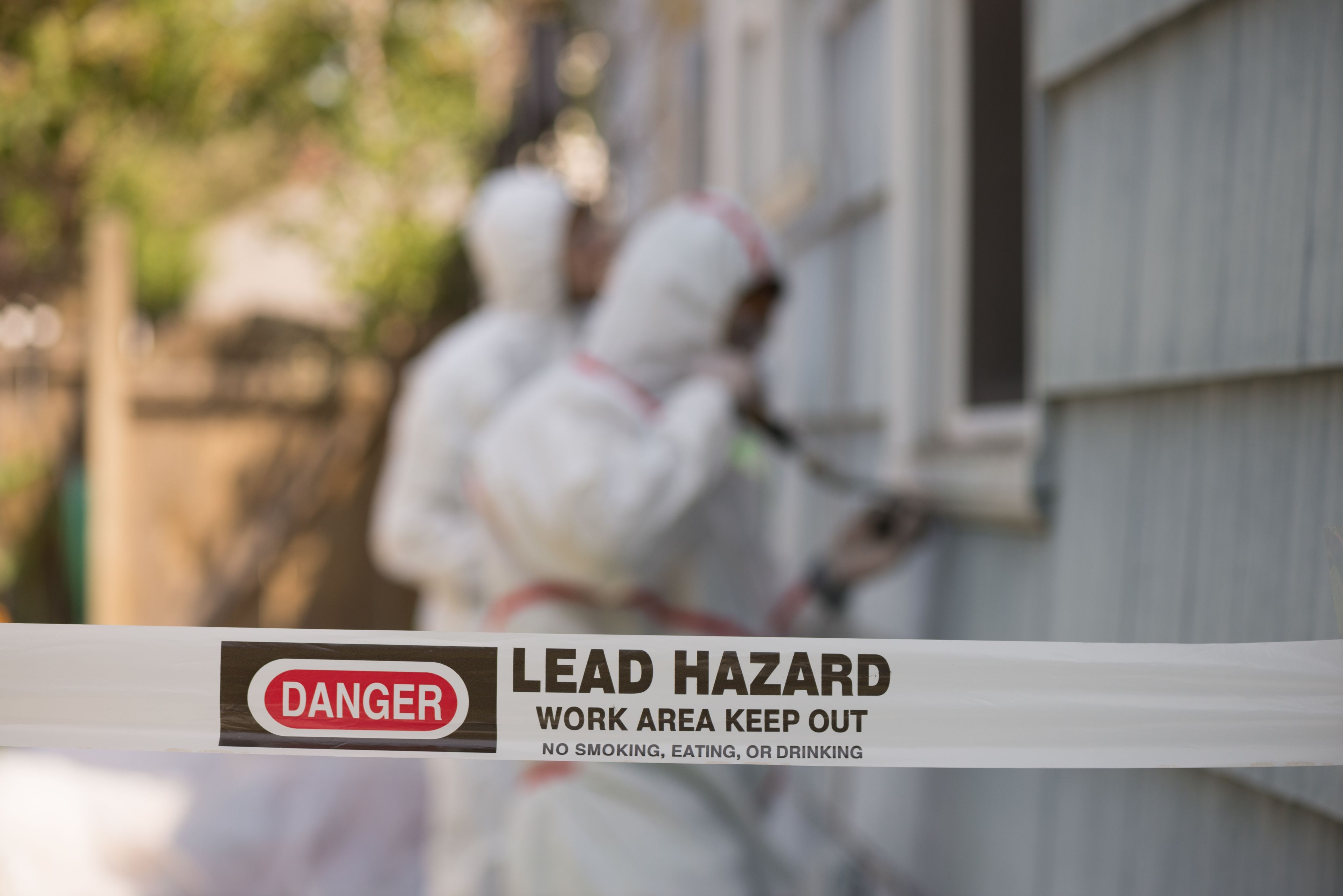

The Forgotten Threat
Lead has been intertwined with human history for millennia, with the oldest known lead artefact dating back nearly 6,000 years.
While most people know about lead from the ban on leaded fuels, it's often considered a problem that was defeated. However, the lead released from leaded fuels remains in the environment to this day.
So, what happened to all that released lead? Is it still impacting us today? What can we to limit our lead exposure?
"It doesn't hurt so you think it doesn't harm."
Unlike other chemicals that will eventually breakdown and become harmless, lead released into the environment will always remain as potent as when it was first emitted reports the Centre for Public Integrity.
While there was a huge global collective effort to reduce lead it continues to be an under-reported issue to this day. New research has shown that while we might be adding less lead into the environment, what has already been released continues to damage us.
Dr Ian Mudway - Senior Lecturer at the School of Public Health at Imperial College London
"Once in the environment it stays in the environment."
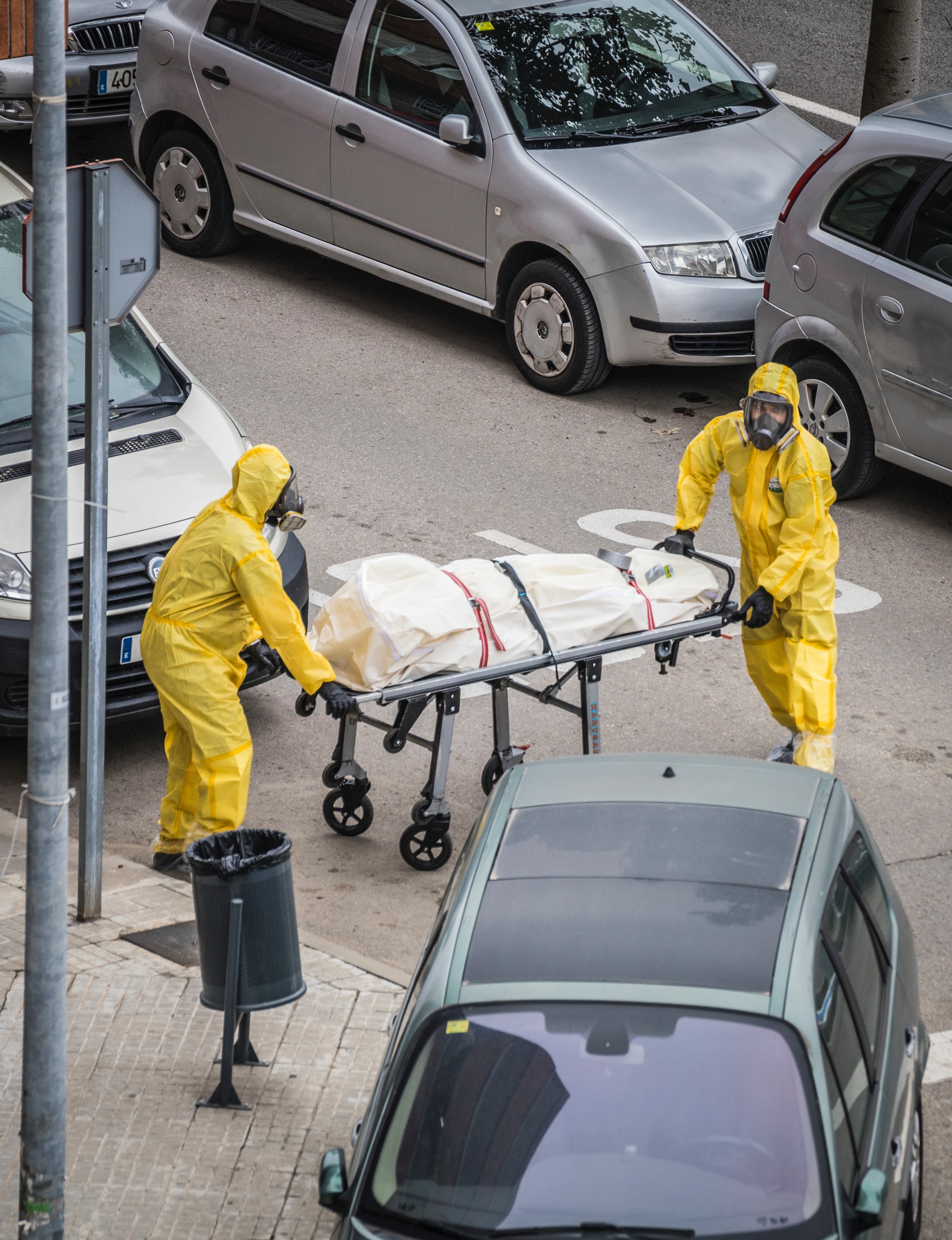
The World Health Organisation estimates that globally one million people die from lead poisoning a year. Paired with 800 million children having higher than recommended blood lead concentrations and the need for continued focus on lead as an issue is clear.







Lead through the Millennia
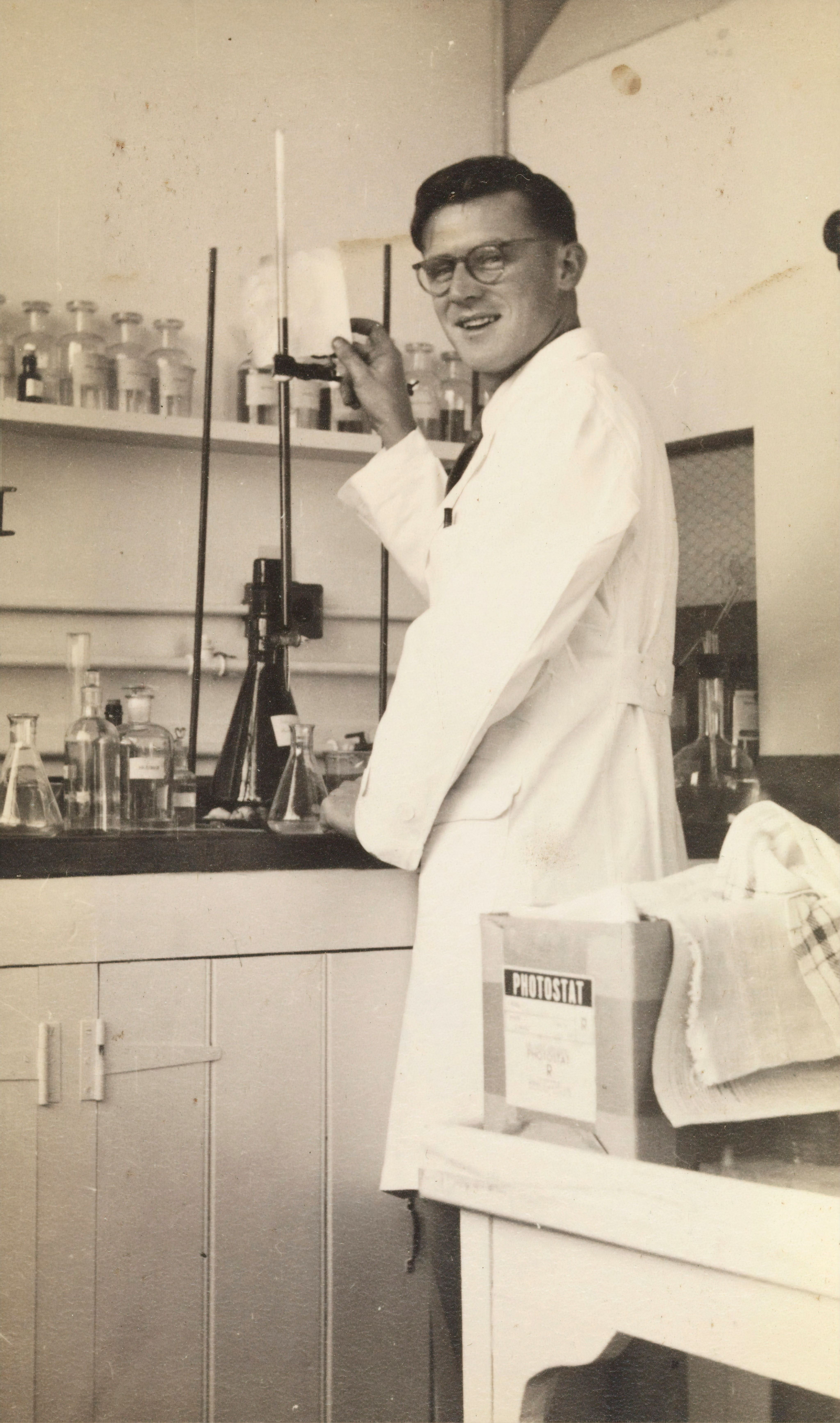
Lead has been utilised for thousands of years, from plumbing and agriculture to food stuffs and cosmetics. It managed to enter nearly every aspect of day to day life.
Lead pipes used by the Romans have been theorised to explain some of their more unusual behaviour. The lead intake by the aristocracy may have even been as high as one mg/day. However, even Romans at the time knew lead negatively impacted their health.
“Lead makes the mind give way”.
Despite the suspected repercussions on health, lead continued to be used. It was only at the start of the medieval period that lead acetate was removed as a sweetener from wine.
Lead was also a key ingredient in cosmetics for hundreds of years, providing woman with pure white make-up that caused a plethora of health complications and eventual premature death.
By the late 1600s scientists were beginning to understand the link between lead and neurological and behaviour conditions.
By 1904 there was solid proof linking lead exposure in children and reduced IQ, still lead was largely ignored as an issue.
Climate Catastrophe
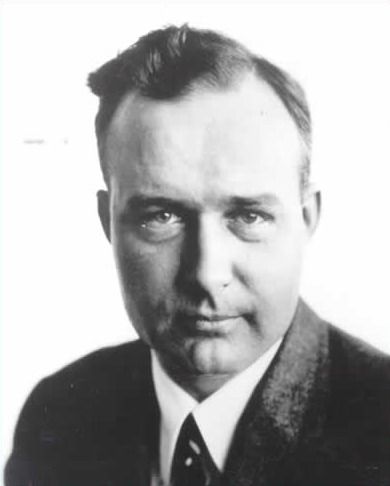
Whilst working for General Motors in 1921, Thomas Midgley Jr. invented an anti-knocking agent for the internal combustion engine. While possible to make the anti-knocking agent before it was only with the inclusion of lead that it became patentable. Leaded fuel was born.
"He had more impact on the atmosphere than any other single organism in earth’s history."
Leaded fuel started a mini lead revolution and suddenly products of all types were advertising they contained lead. From lead paint, wires, plates and plastics there was rush to include the lethal substance.

Lead Needs to Go
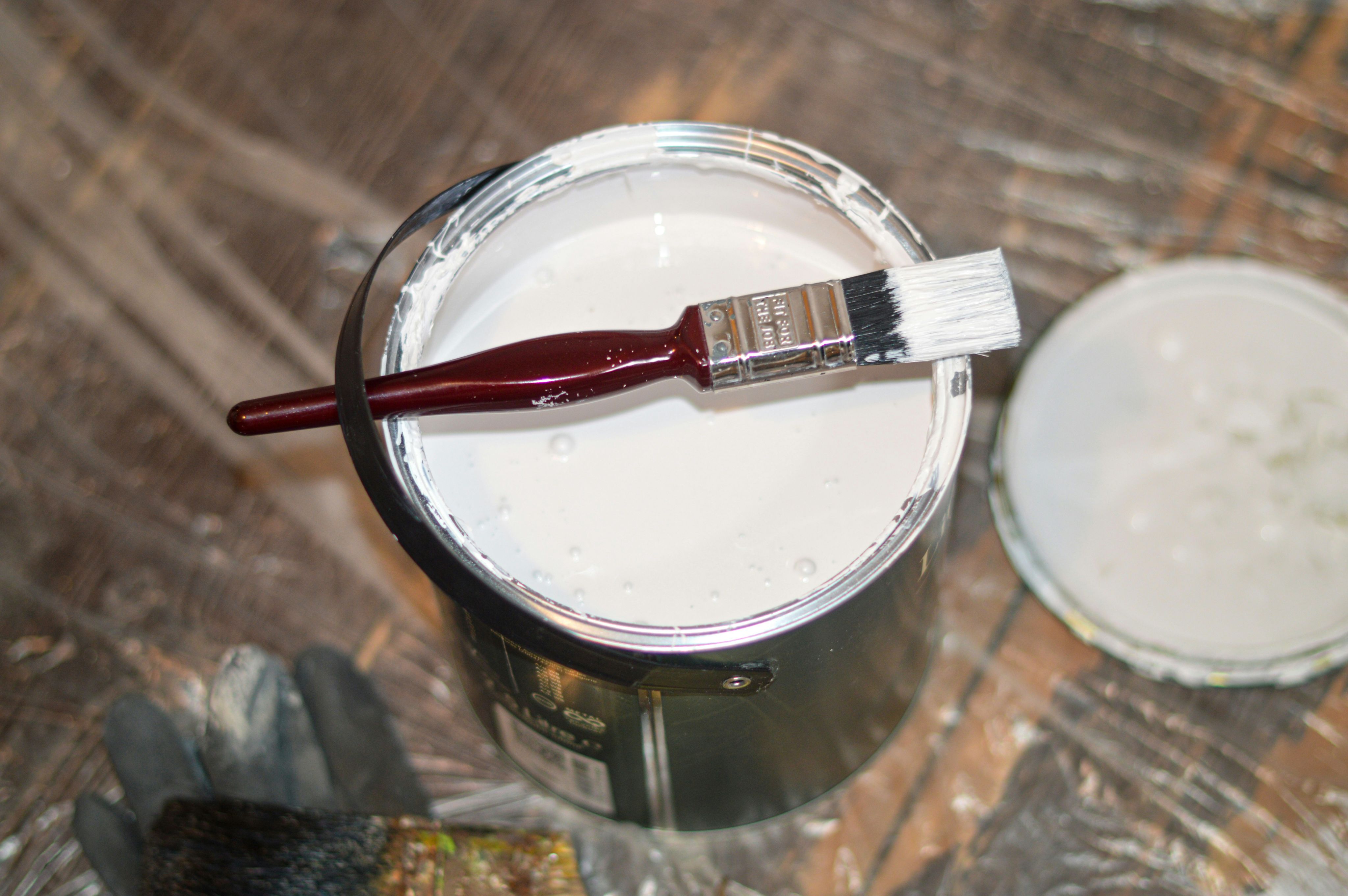
After decades of adding lead to nearly every aspect of our lives it was finally (re)identified as harmful. Lead paint was phased out, lead pipes were banned and as of 2021 leaded fuels are banned globally.
The banning of lead in our lives can be seen as one humanities greatest collective efforts in combating a global issue. But while the world was successful in some way, it has failed in others.
To this day lead is still found in our day to day lives, often far closer than you might imagine.
Tim Pye - Founder of LEAPP Alliance

"There is almost no function in the human body which is not affected by lead toxicity."
Lead influence on society






How it Harms Us
There is no safe level of lead for humans. The Centre for Disease Control has stated that blood levels in children should not exceed more than 2.2 μg/dL per day which is roughly 1/18th the weight of an eyelash. For those not aware of the risks of lead it can be extremely easy to go above recommended levels.
It is estimated that around 214,000 children in the UK have elevated blood lead concentrations.
Criminal Behaviour
Research has shown that there is a significant link between lead exposure as a child and criminal behaviour in later life. In a study published in 2007 it was found that 56% of crime between 1992 and 2002 was as a result of lead exposure from leaded fuels.
Pregnancy Complications
Around 96% of lead is stored in the skeleton, replacing calcium which has been linked to osteoporosis in later life. One of the ways that the lead is leeched out of the skeleton is during pregnancy where it is then transferred to the foetus.
Health consequences
"Lead poisoning is affecting children on a massive and previously unknown scale."

Photo by freestocks on Unsplash
Photo by freestocks on Unsplash
Reproductive
Miscarriage, pre-term birth, low birth weight, slowed growth, delayed puberty and reduced libido.
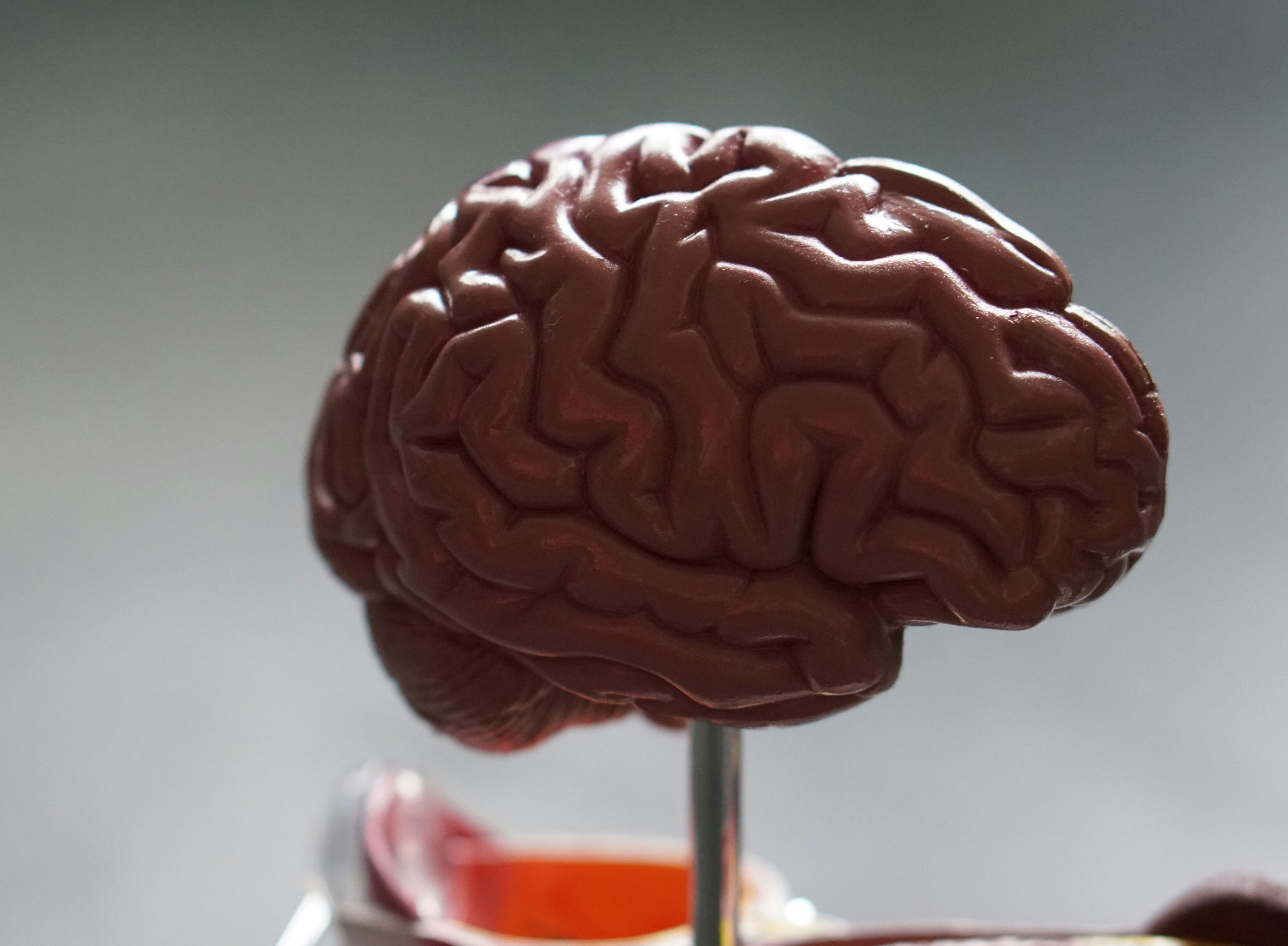
Photo by Robina Weermeijer on Unsplash
Photo by Robina Weermeijer on Unsplash
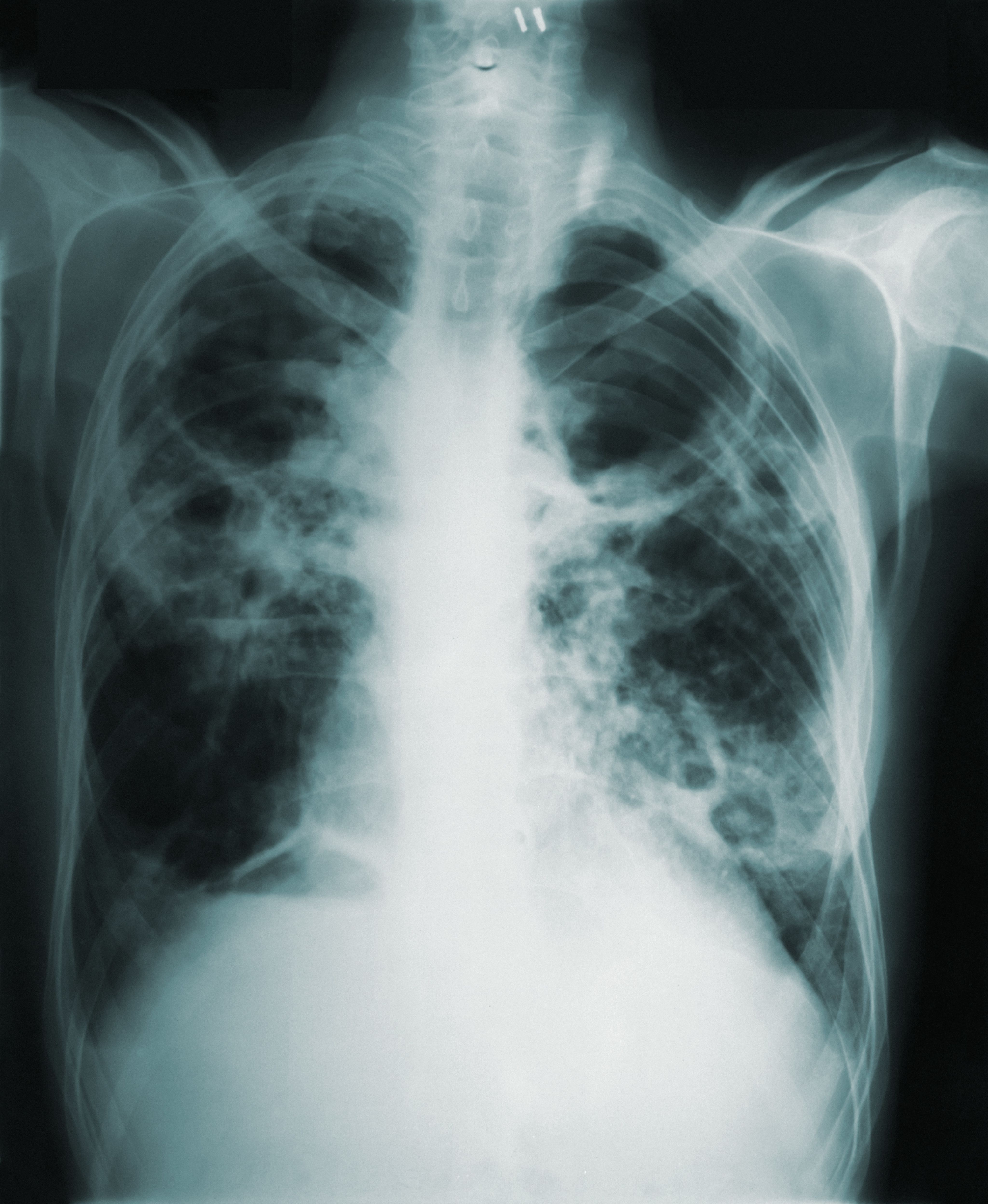
Neurological
Reduced cognitive function, IQ loss, poor memory, ADHD, lower academic achievement, decreased hearing, insomnia and language difficulties.

Photo by Nsey Benajah on Unsplash
Photo by Nsey Benajah on Unsplash
Psychological
Problematic behaviour, depression, anxiety and panic attacks.

Why should we care?
Despite the global, combined effort to phase out lead it still remains a major issue. New research by the British Medical Journal has found a 40% increase blood lead concentrations in people who vape compared to those who did not.
The World Health Organisation reported that as of January 2024 only 48% of countries have legally binding controls on lead paints. Additionally, 82% of UK homes were built before most lead paints were banned in 1992. In the UK there are estimated to be 9 million homes with lead pipes according to a report published by Parliament.
As of March 2024 The Wildfowl and Wetlands Trust reported the government has once again delayed the ban of lead shot used in hunting despite its presence in 93% of pheasants set for consumption.
While lead blood levels have fallen, new research is showing that low level exposure over a long time-frame can also be extremely harmful. This can often have knock-on effects for populations living in area of high lead content.
Global deaths attributable to lead exposure increased from 529,840 in 1990 to 901,720 in 2019.
Global DALYs (disability adjusted life years) from lead poisoning increased 35% from 16.03 million in 1990 to 21.68 million in 2019. There is no other chemical entity which gives a number of this magnitude.
There is a disproportionate impact of lead globally. There are about 800 million children and young people under the age of 19 that are estimated to have blood lead levels concentrations known to be harmful.
Childhood lead exposure is estimated to cost lower- and middle-income countries almost $1 trillion due to lost economic potential of these children over their lifetime.
Economic impact of lead is $6 trillion or 6.9% of global GDP per year.
Lead can still be found in a number of products we use everyday, most harmful of which is tires. Lead is still used in the vulcanisation process which has meant higher levels of lead have been found next to major roads as tires wear away.

Lead Roofs
Lead continues to surround us in the form of lead roofs, most commonly found on churches and cathedrals.
Church Locations in the City of London

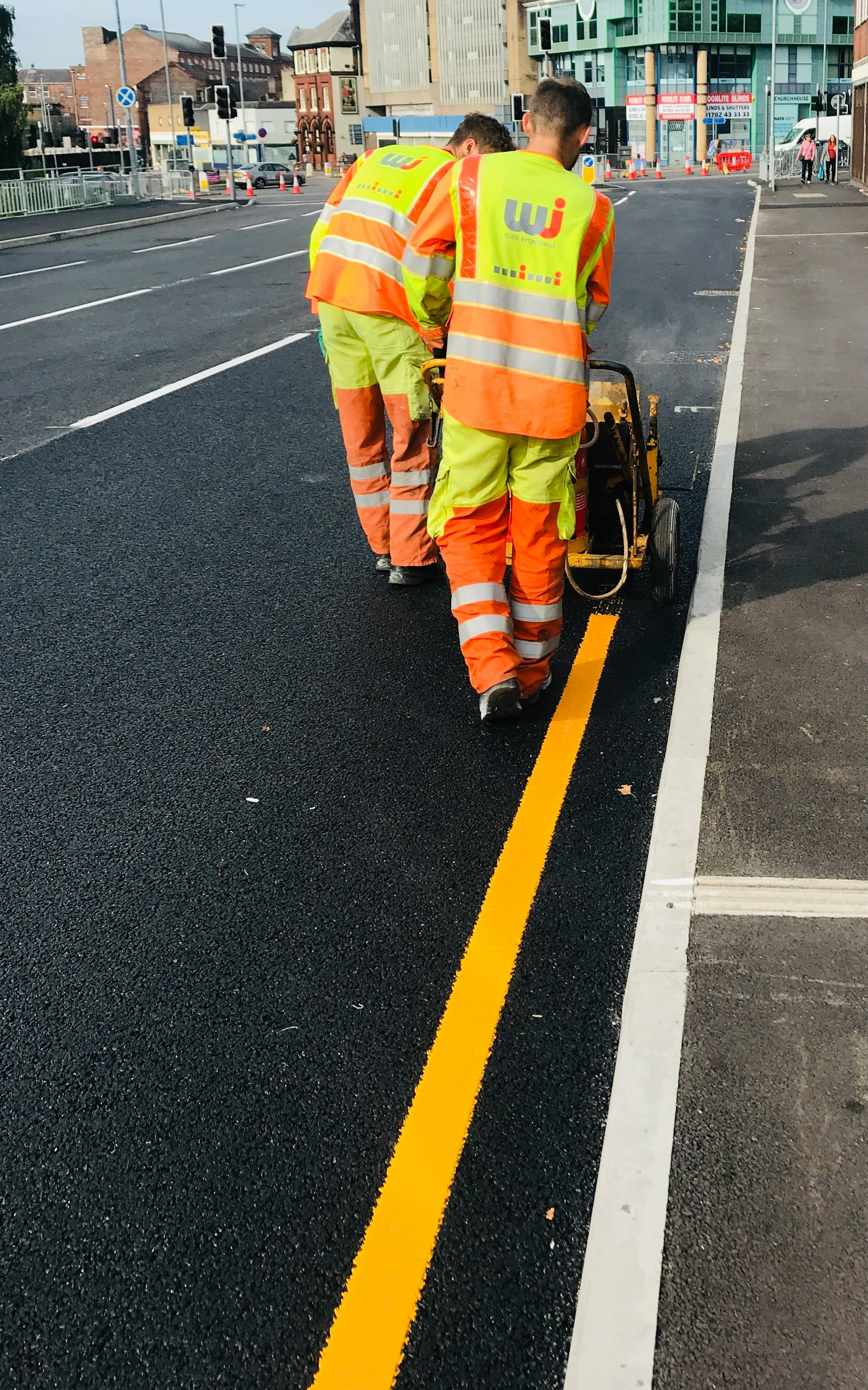


Yellow Road Lines
Lead Chromate
Despite lead paint being banned in 1992 up until a few years ago lead chromate was continued to be used to help provide the bright yellow colour for yellow road lines.
Turmeric
Lead Chromate
It was only in 2019 that Bangladesh banned the adding of lead chromate to turmeric. The chemical was included to give the spice a brighter yellow colour. This has raise questions about where else in the world adds lead to food and whether any of it could enter the UK.
Lead Tests
Photoluminescent Lead Test
This test takes advantage of a chemical called perovskite which fluoresces under ultraviolet light. This chemical is combined into a mixture called methylammonium bromide which when in contact with lead fluoresces a bright green colour.
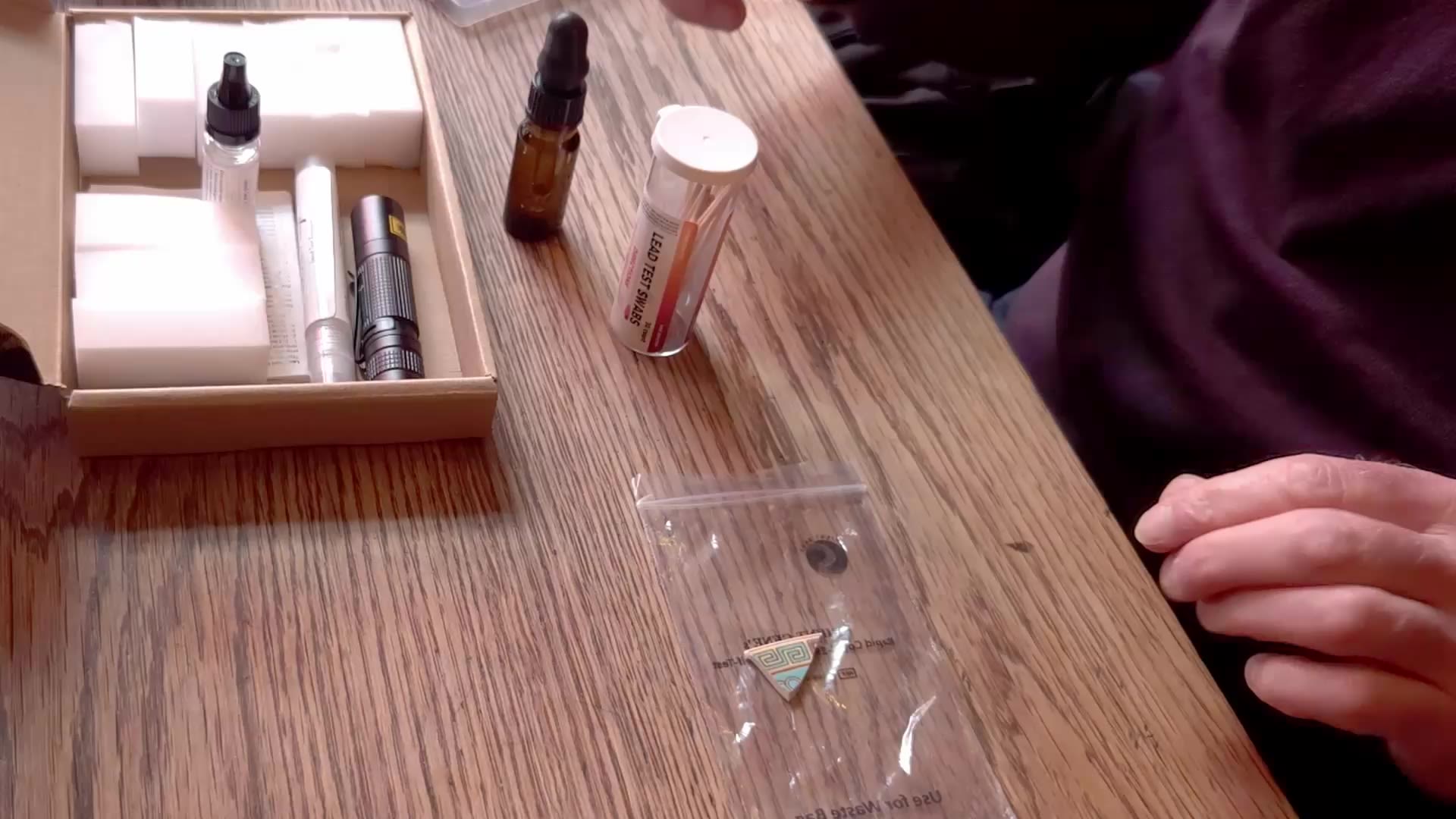

Swabs Lead Test
Chemically treated swabs are exposed to household vinegar which in the presence of lead turns a dark shade of purple.
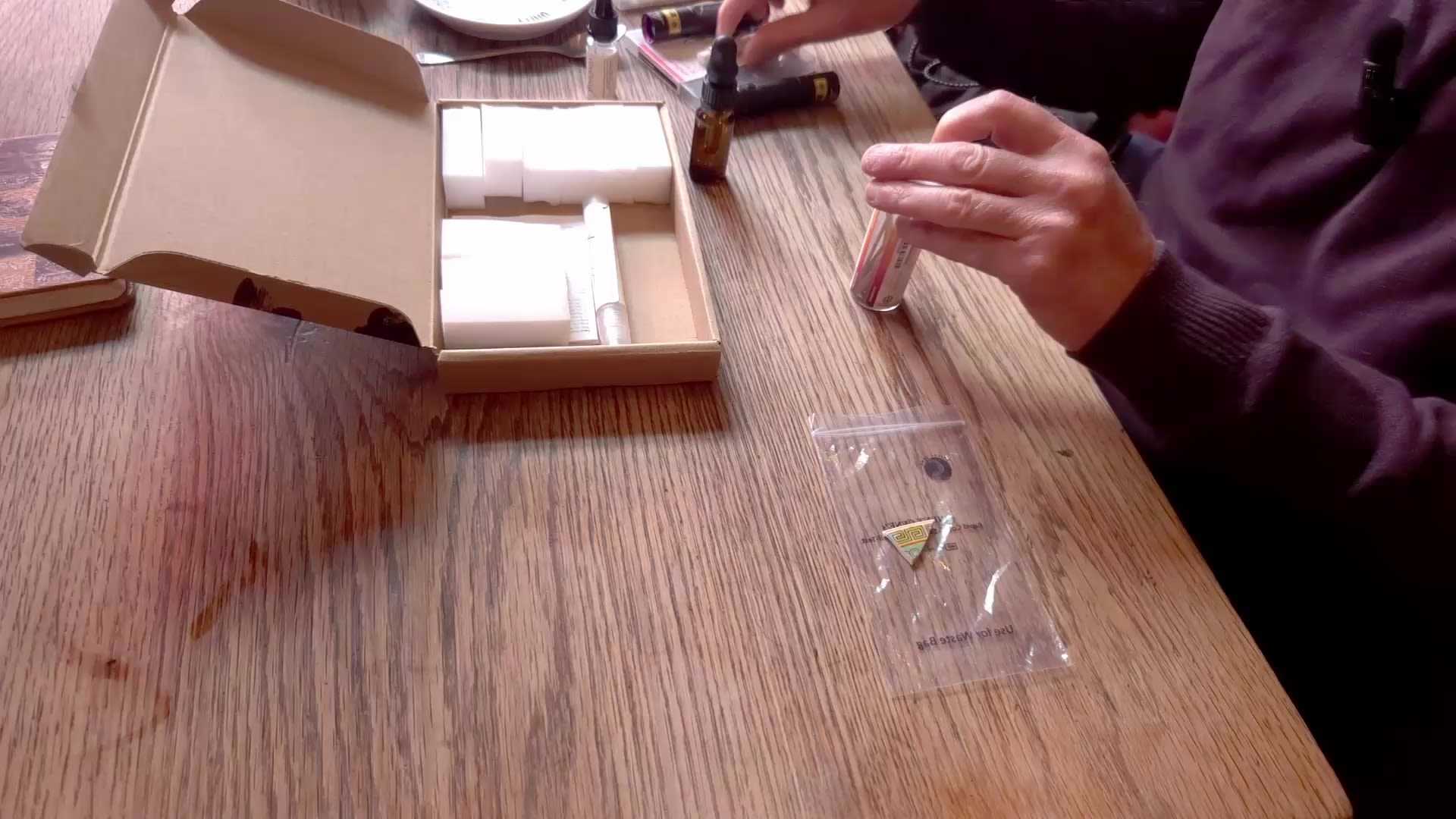

Lead Test in the City of London


Education and Regulation
In the UK there is still a distinct lack of lead warning and education to help inform the population on the dangers of lead.
One organisation looking to change this is the LEAPP Alliance, who not only provide information and advise to people concerned about lead, but also push for greater lead reform to end lead exposure in the UK.
While education can help prevent people from putting themselves in unnecessary risk there is also a need for greater reform to help end potential for lead exposure for good.
Looking ahead
There are improvements being made and little by little lead is coming back into the public interest. It's crucial that there is an understanding of lead so that meaningful change can be enacted to combat its harmful effects.
"It’s time to accept the magnitude of what we have done, and to make a positive decision to change the status quo. The status quo doesn’t guarantee us a very happy next 100 years."
Dr Ian Mudway - Professor of Environmental Health
 Built with Shorthand