
Free Speech under fire?
Is censorship growing in the UK?
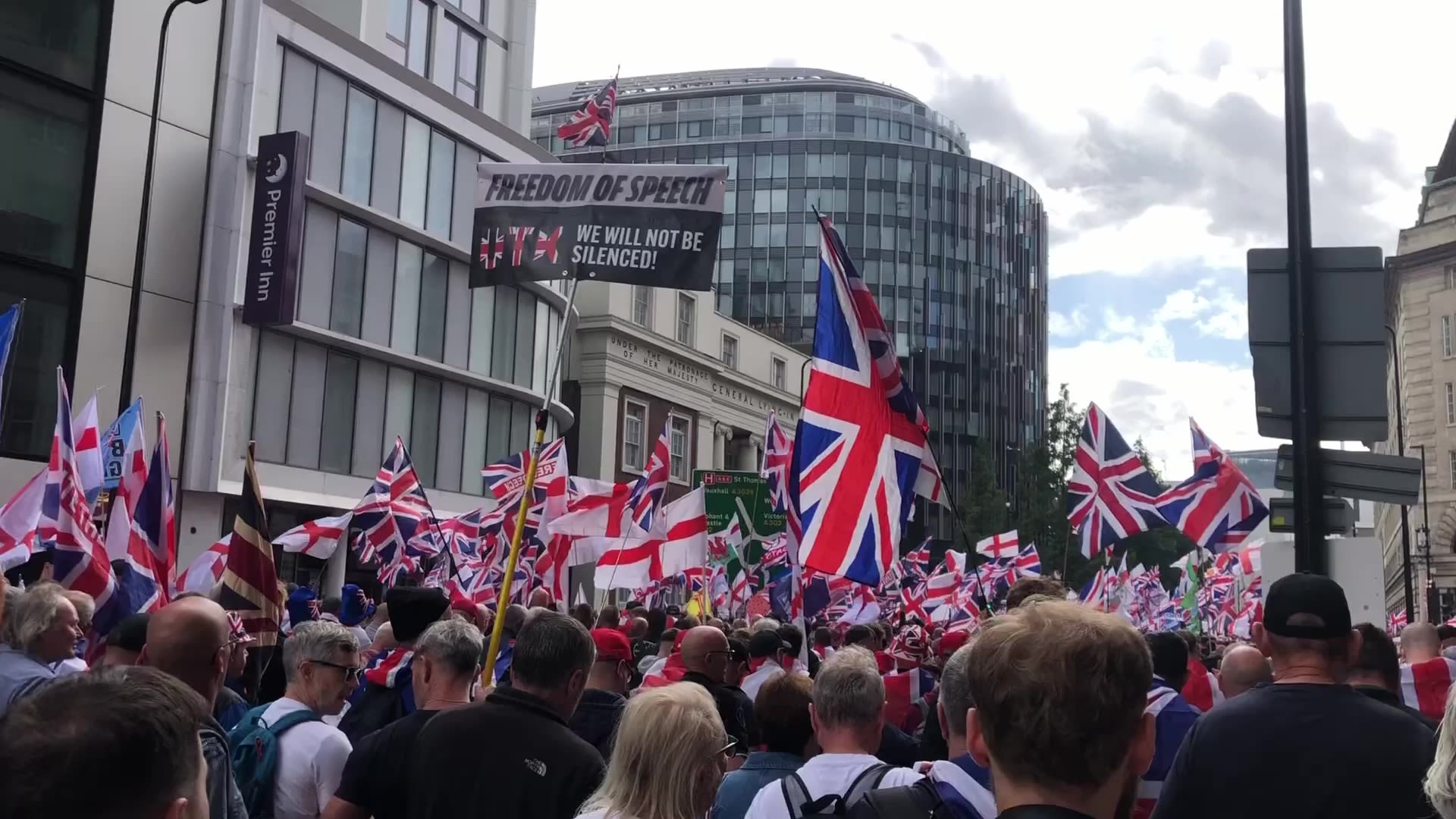

On September 13,
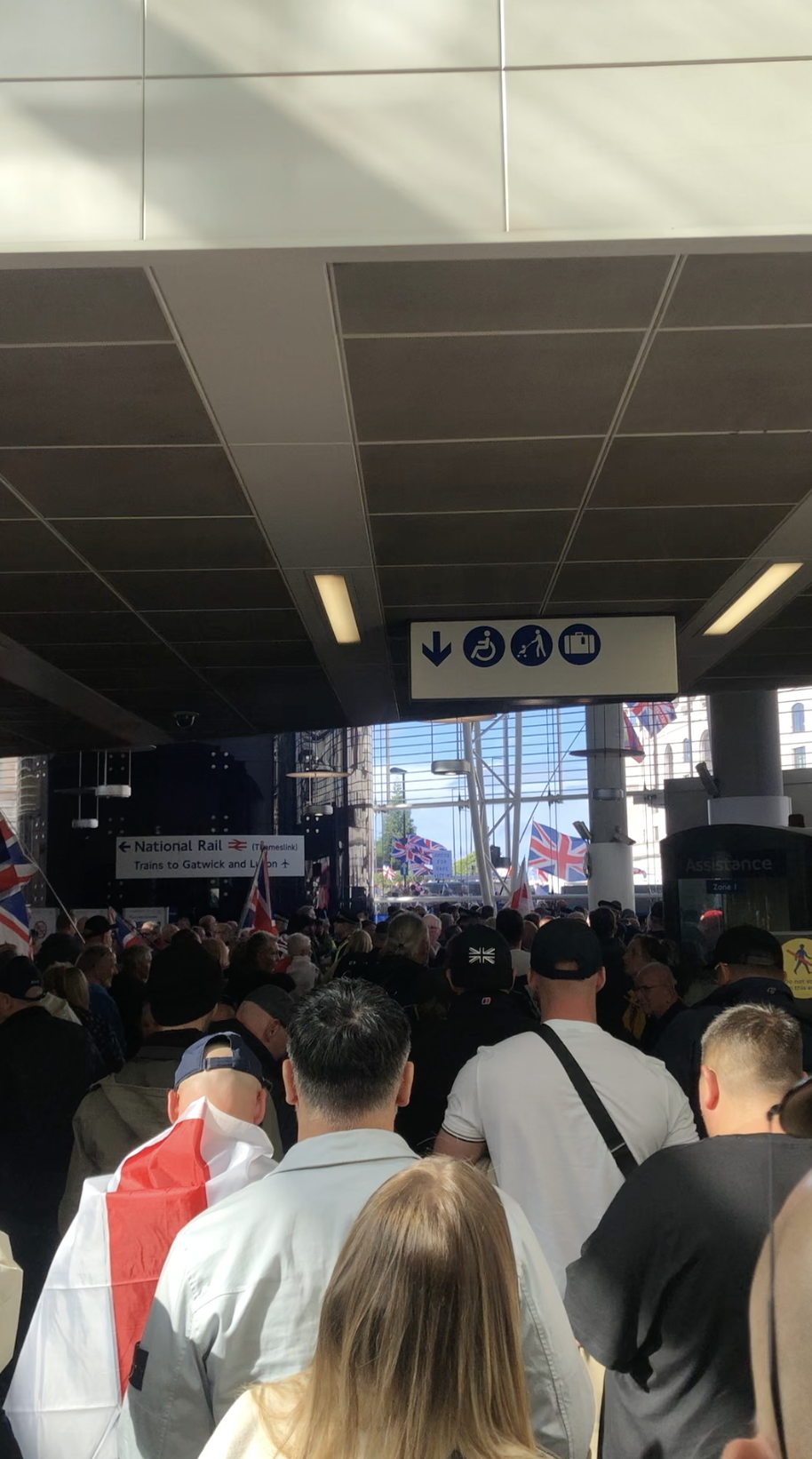
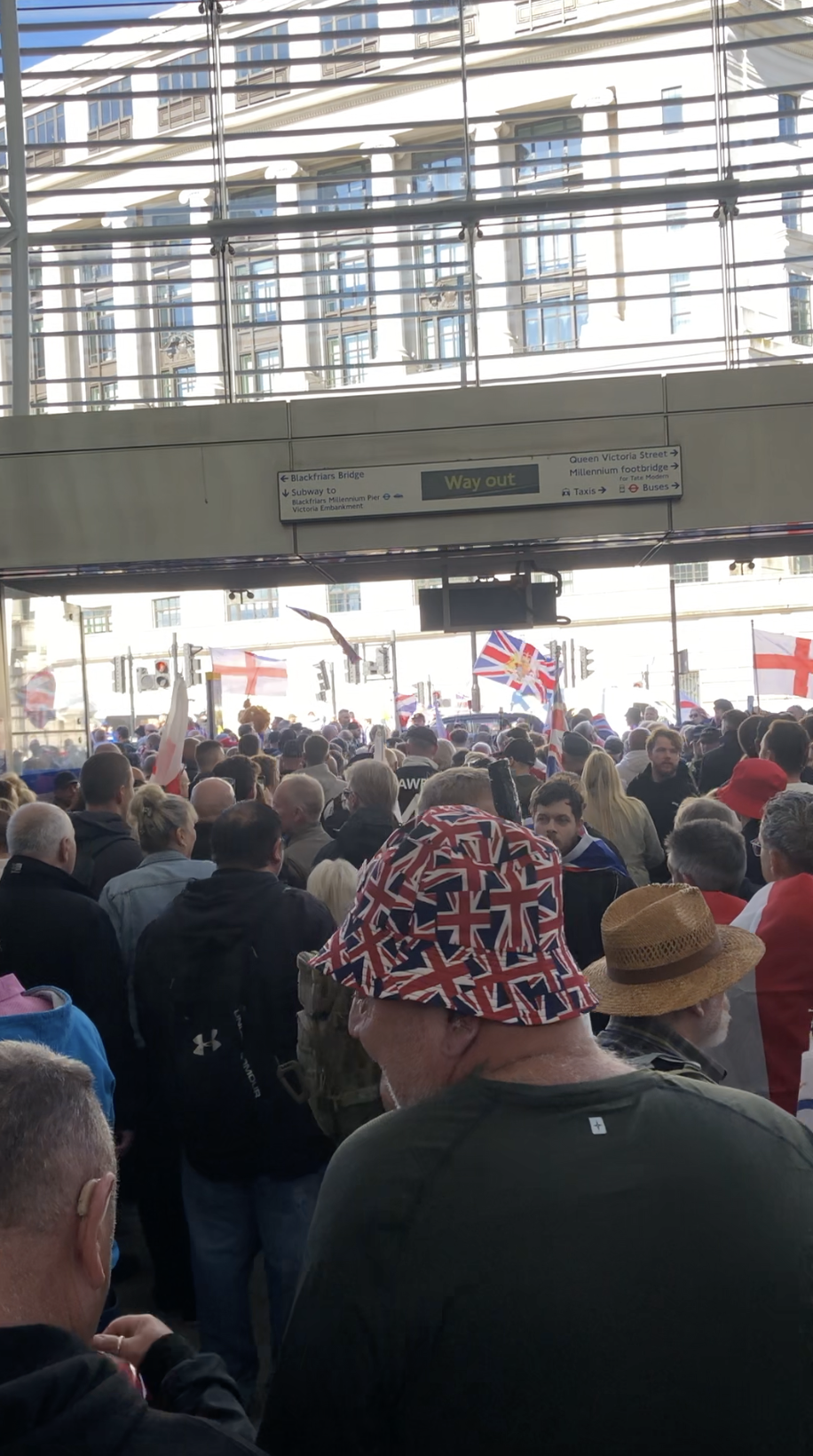
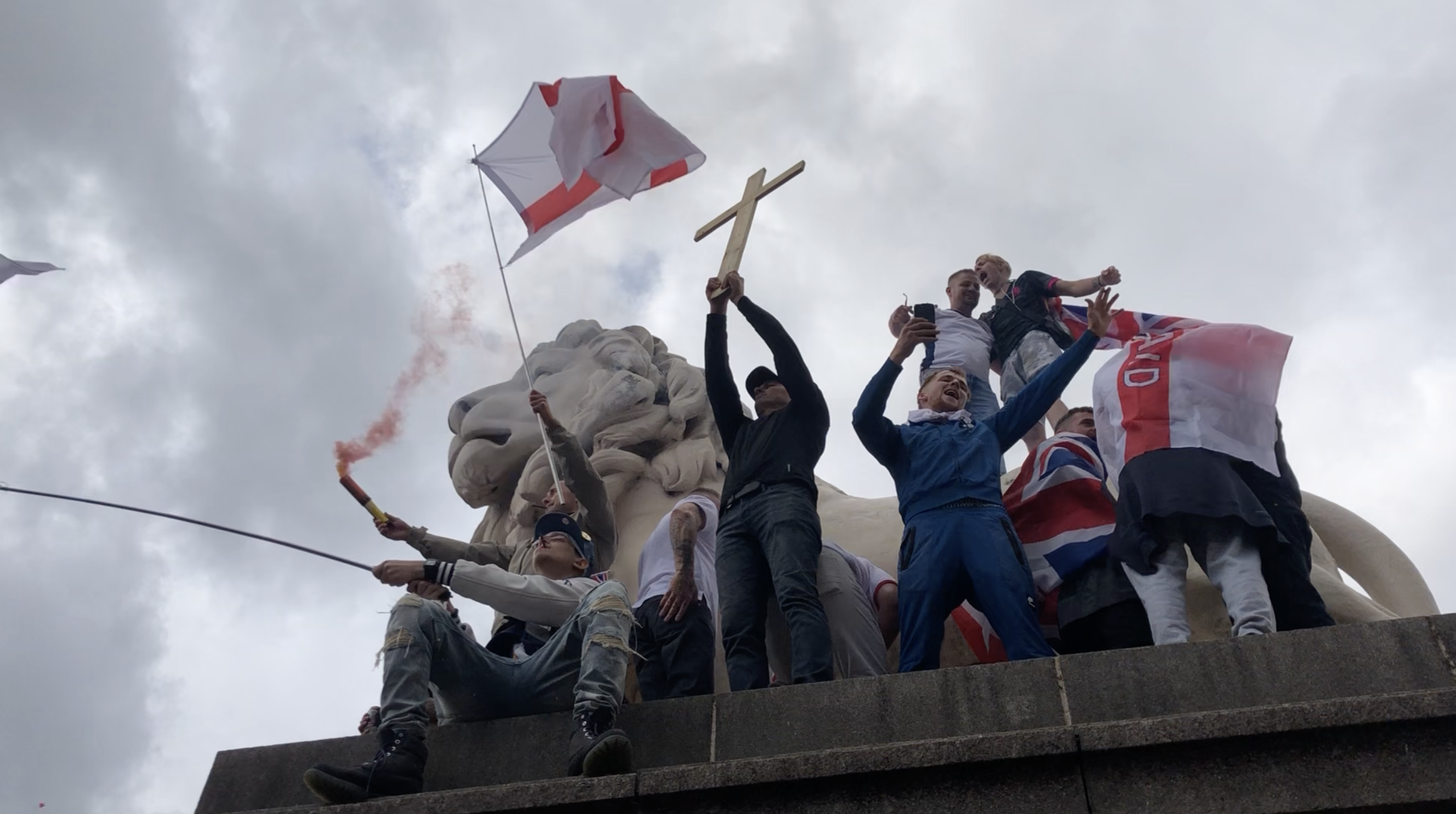
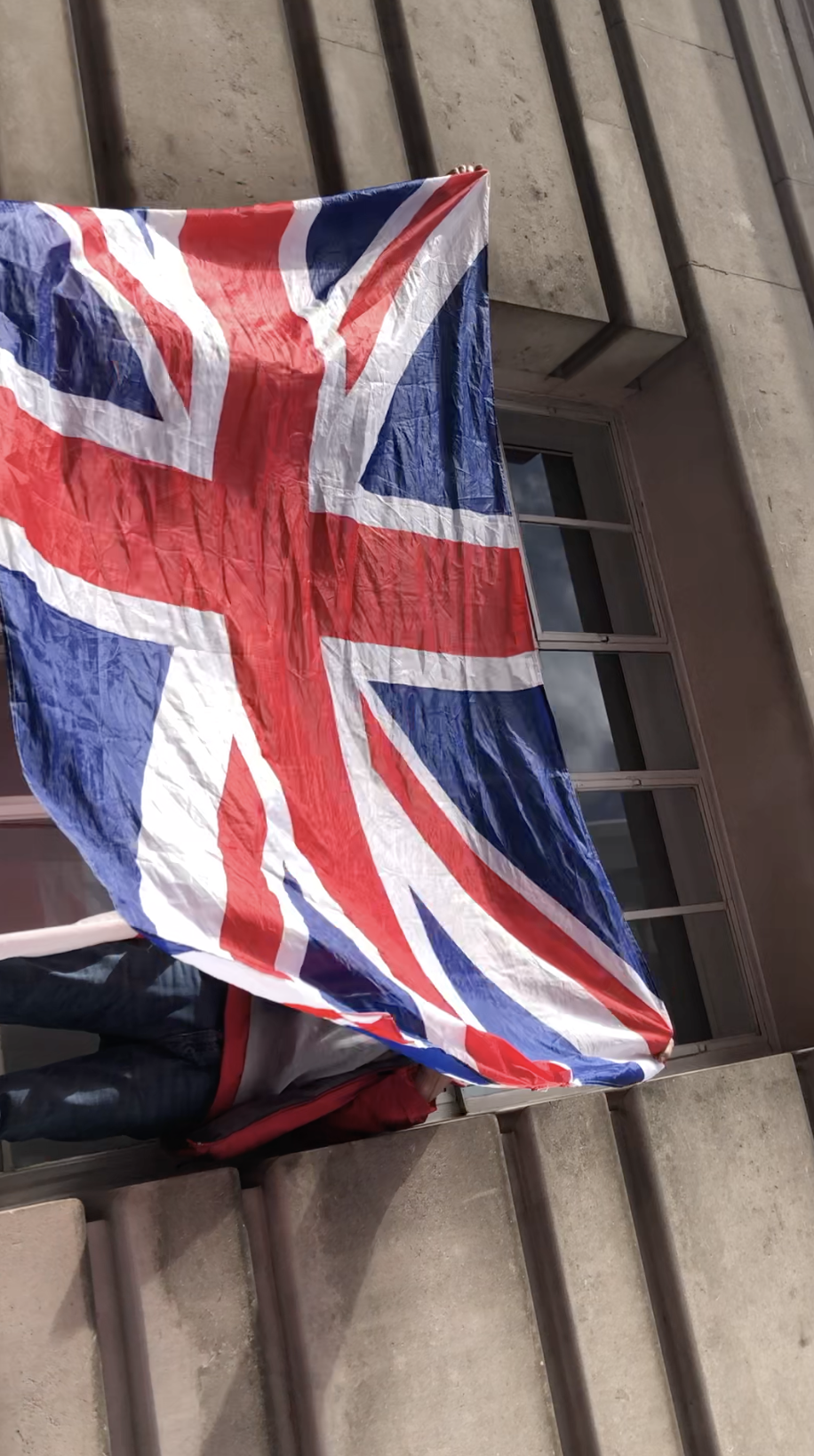
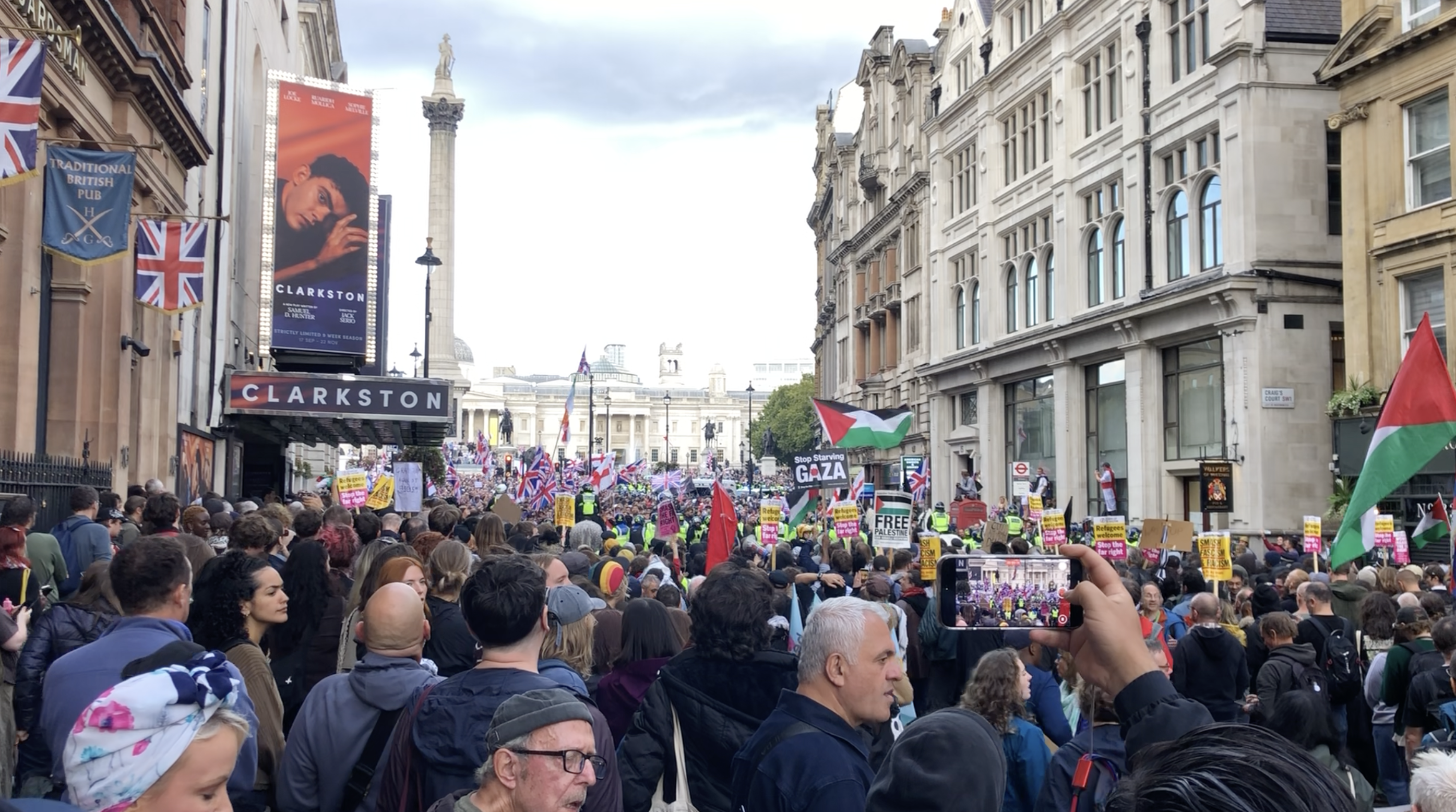
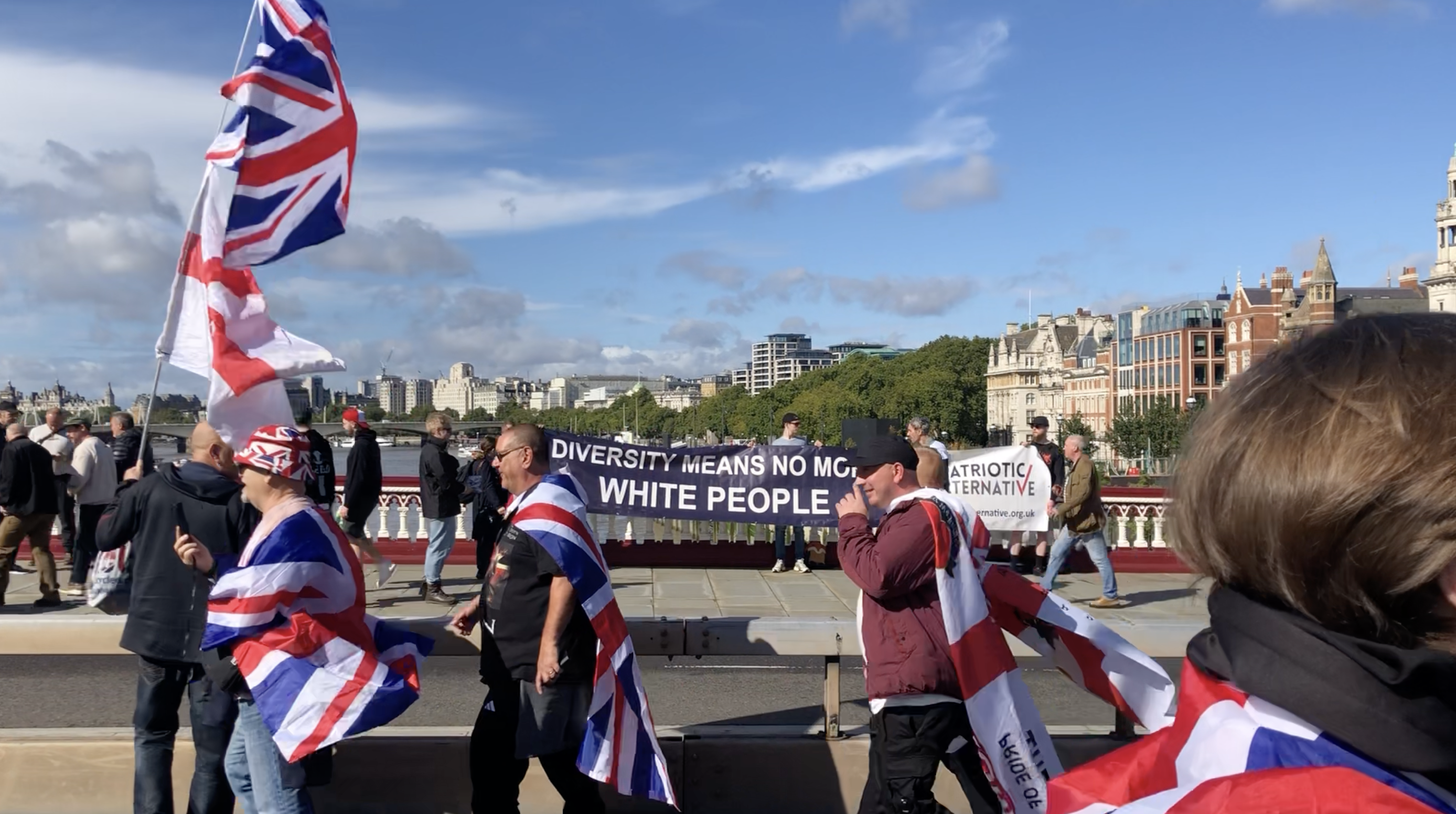
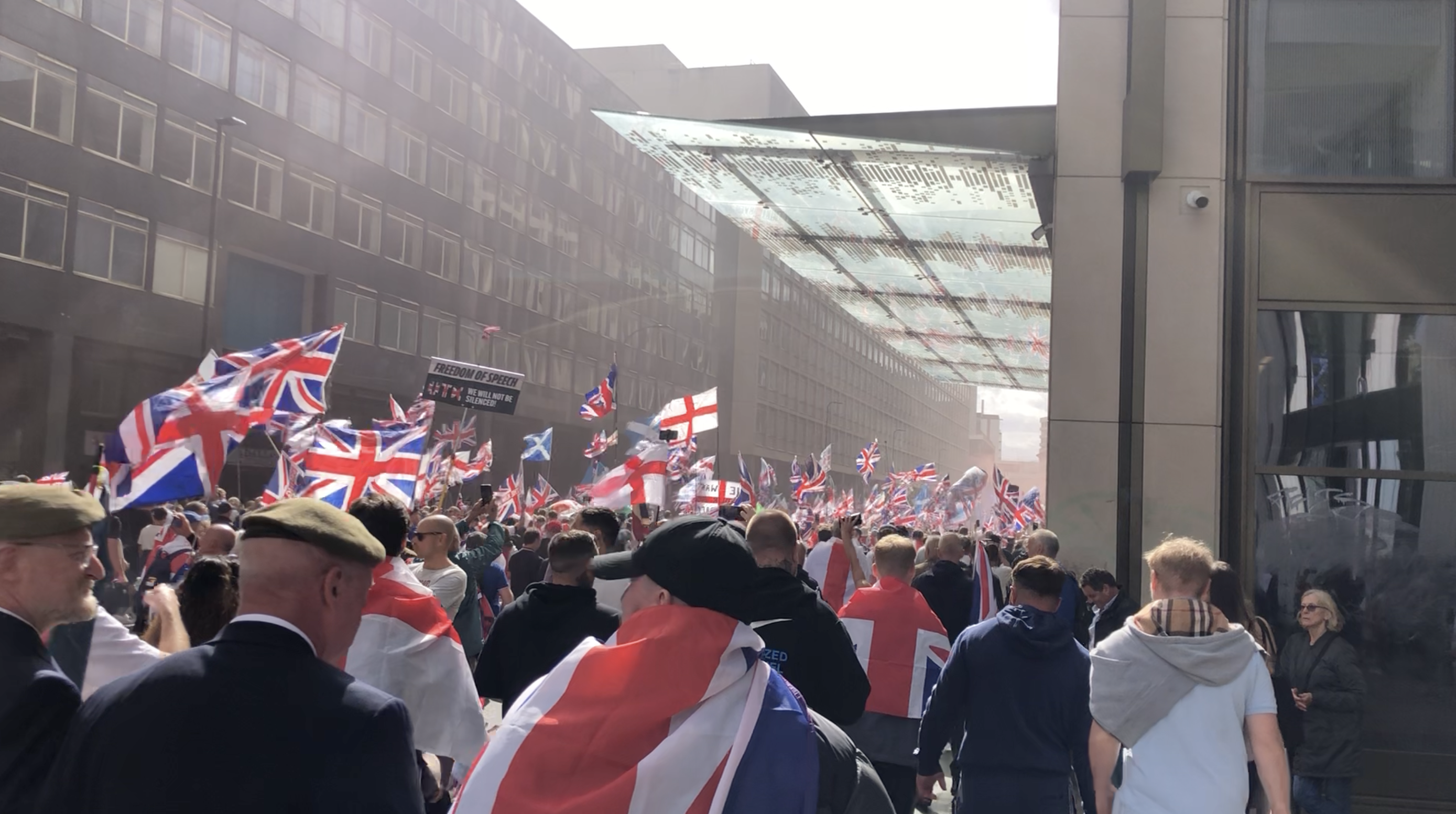
In the early morning at Blackfriars station, thousands of protesters draped with red and white English flags gathered along the street.
As I made my way across the crowd, the voices of men and women chanted in unison: “free free Tommy Robinson!”
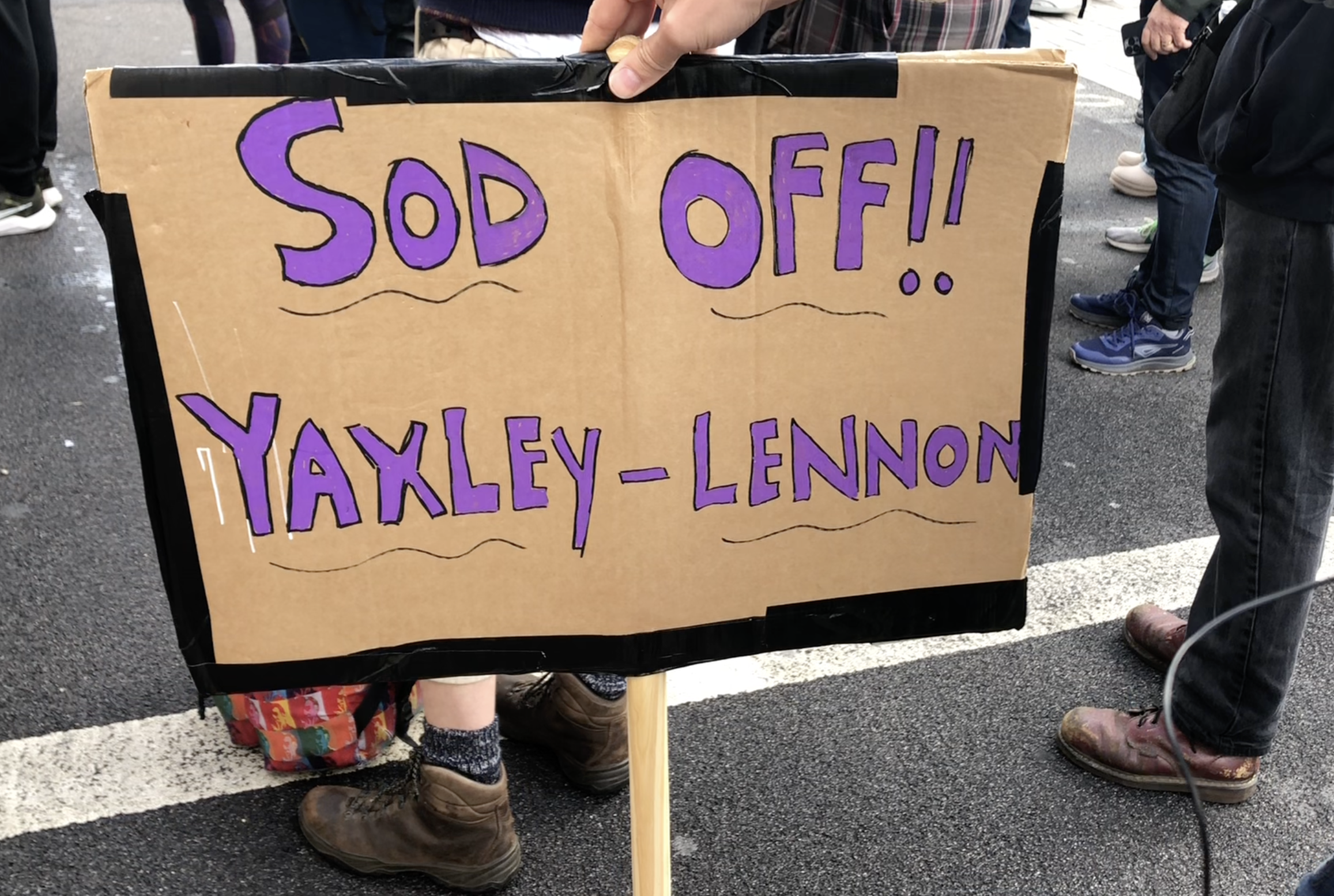
The popularity of the far-right activist, real name Steven Yaxely Lennon, has been on the rise.





According to a YouGov tracker, Robinson's name recognition has doubled from 12 percent to 24 percent in the last 5 years.
The Unite the Kingdom Rally (UTK) is advertised as a peaceful London based Free Speech Festival.
Stewards linked arms at the muster points to prevent clashes between UTK protestors and counter-protestors.


We’re doing it to celebrate free speech. Are you not ****ed off and fed up of the total erosion of our culture, our identity, and our speech? Of them dictating what we can and can’t say?



Is free speech, really under attack in the UK, and if so, who do people believe are responsible?
That question hung over the protest, where many attendees said the issue extends far beyond one figure and reflects an wider unease about what can and cannot be said.
Supporters pointed to political extremism, social media culture, and social pressure as forces they believe are narrowing acceptable speech.
Here's what people on the streets had to say.
Perception
The sense that freedom of speech is under attack, that censorship discriminates against particular ideologies, has become the major focal point in recent political demonstrations.
This prompts the question - how many people resonate with Robinson's message across British society?

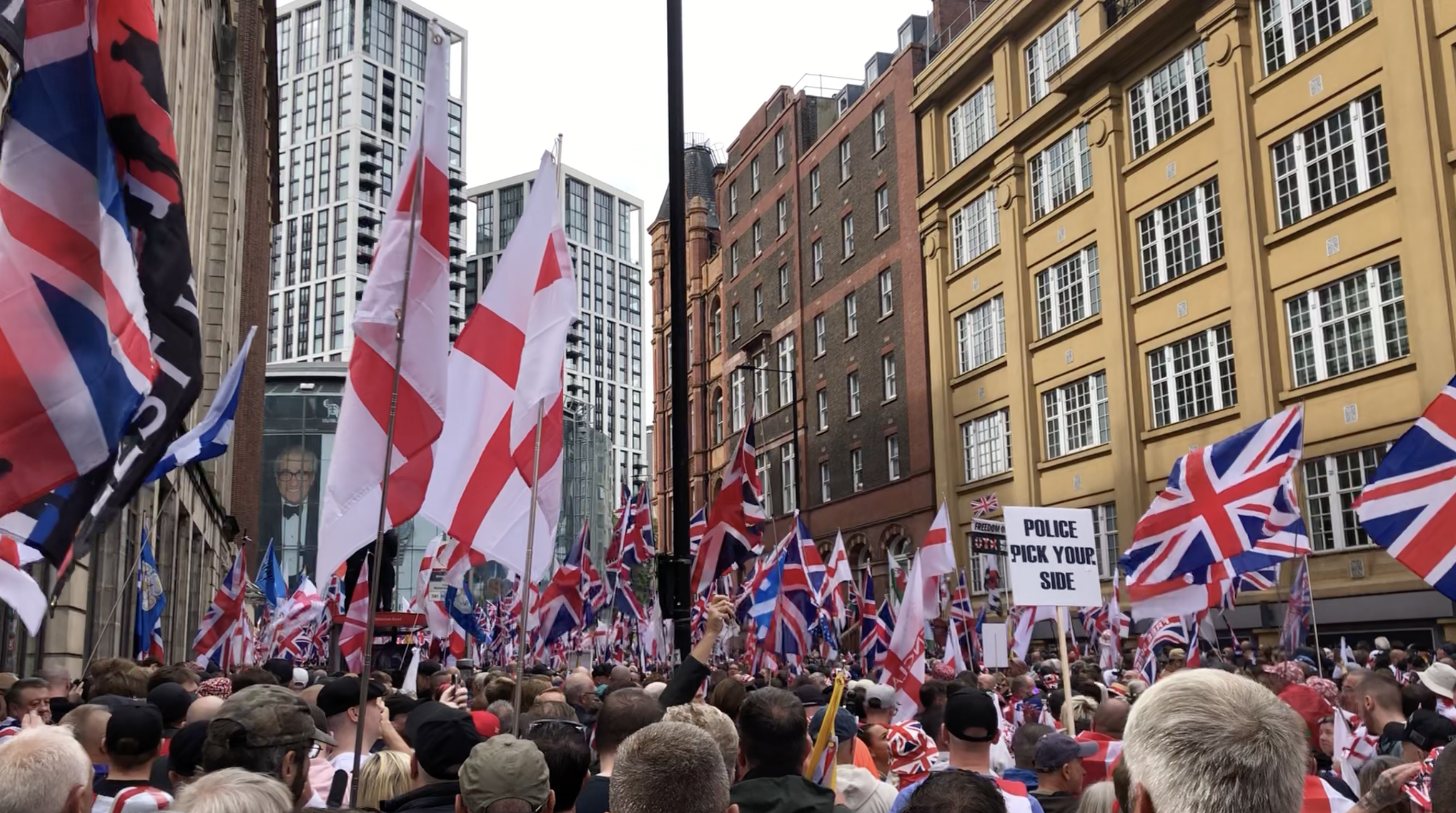
UTK protestors marching through the street
UTK protestors marching through the street
"Free speech, while valued, is not perceived to be an immediate threat."
A freedom of expression survey by the Commission for Countering Extremism found that the majority 44 percent of people think free speech has about the right amount of protection, compared to a 33 percent who think it's not protected enough.
However, there is a particular subgroup who believe free speech is under threat.
This sentiment is shared amongst 43 percent of people who are concerned about the pace of social change, and 39 percent of those who are economically right-leaning.

Free Speech and Freedoms in Britain
In 2025, the Commission for Countering Extremism (CCE) and Ipsos surveyed people in England and Wales to explore public attitudes toward free speech and how well it is protected.
Free Speech... what is it?
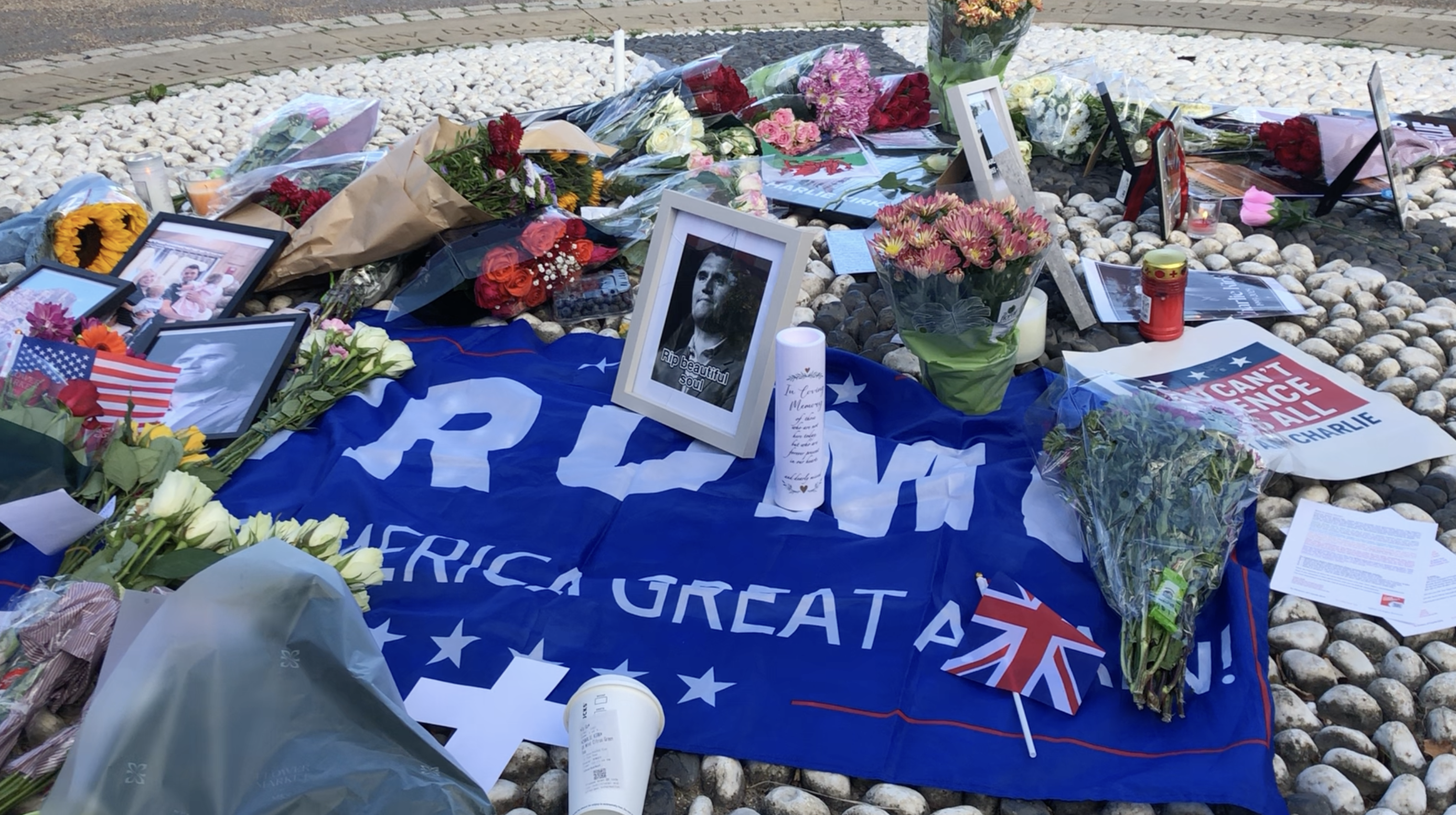
Three days before the rally, American conservative activist Charlie Kirk was killed during a talk at Utah Valley University.
Kirk was hosting a debate series planned by Turning Point USA, a political nonprofit he founded.
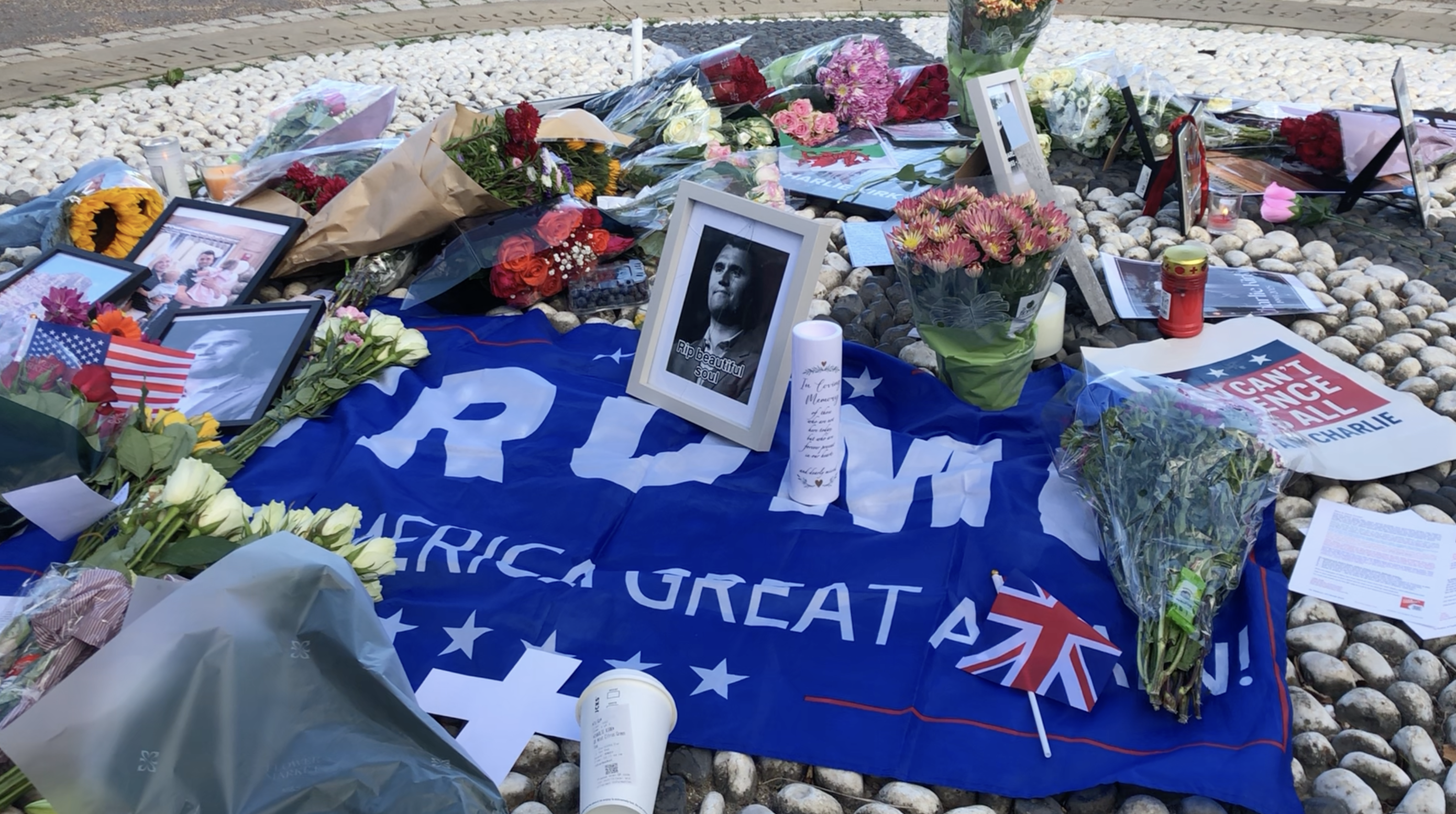
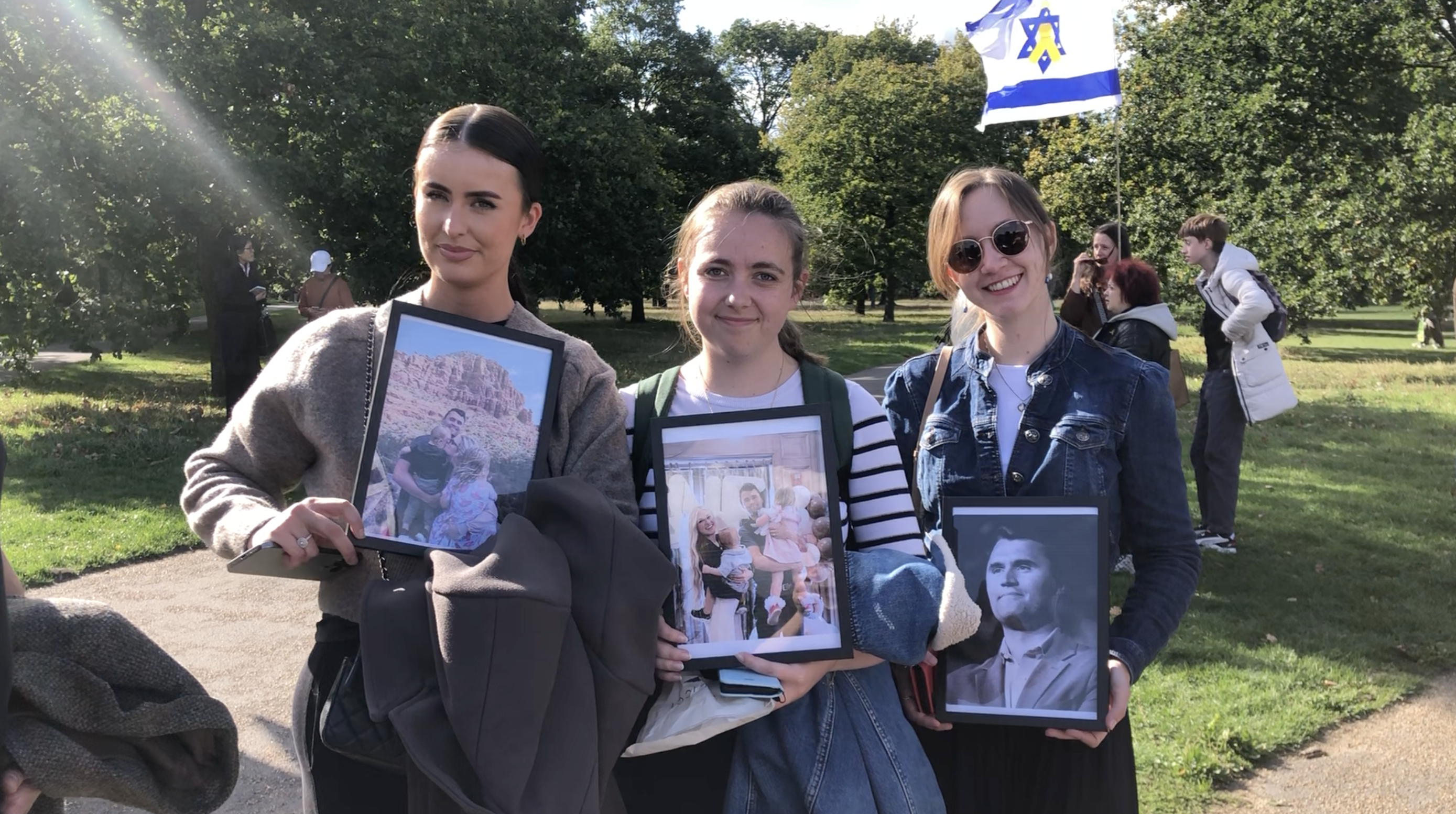
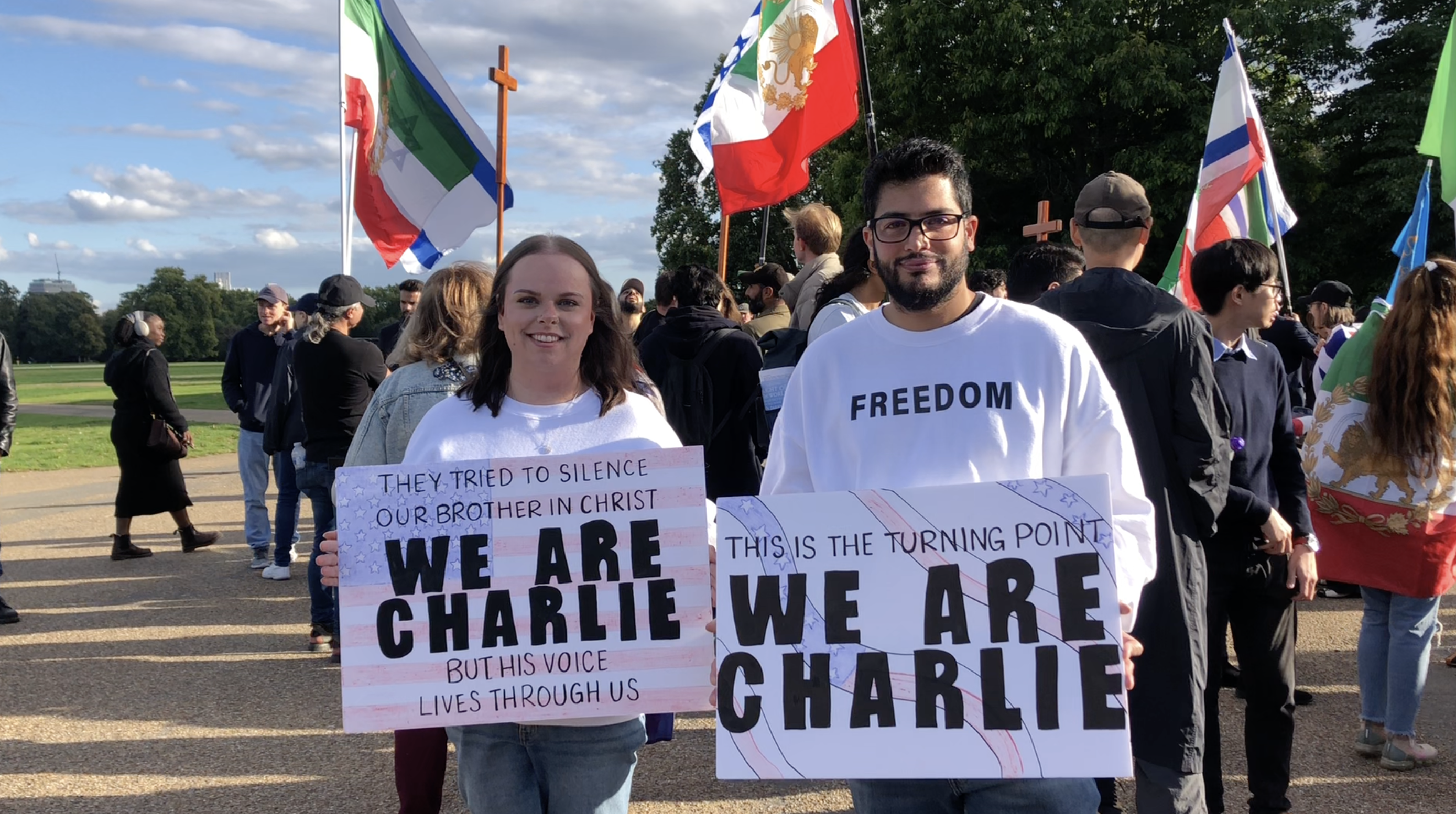
The ripple effects of his death were seen at the UTK rally, with paintings of him drawn on signs and banners.
But to take a step back, what is free speech?
Across the pond in the United States, free speech is protected by the First Amendment. Despite operating under a different political system in the UK, the same term is used, so what are the differences?
"There's a different tradition of free speech and censorship in both the US tradition and the UK tradition"

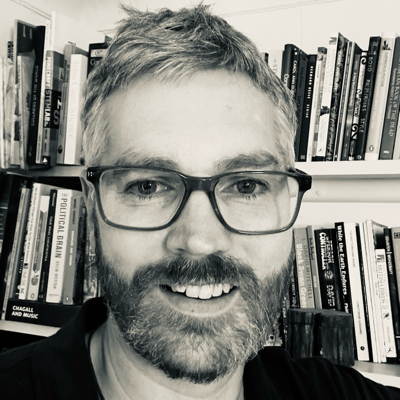
Platform Power and Free Expression Programme Manager (image credit Open Rights Group)
Platform Power and Free Expression Programme Manager (image credit Open Rights Group)
James Baker is the Platform Power and Free Expression Programme Manager at Open Rights Group.
The group is the UK’s largest grassroots digital rights campaign organisation working to protect online privacy and freedom of speech.

Free Speech Differences
“There's a different tradition of free speech and censorship in both the US tradition and the UK tradition,” said Baker, pointing to the US Constitution and historical influences like the Enlightenment and Thomas Paine.
In the US, “they have a more absolutist approach to free speech under their First Amendment. Which essentially means any speech, other than speech which is inciting violence", is allowed.
In the UK, speech is protected differently.
“The legal protections for speech are guaranteed to some extent by the Human Rights Act and European Convention of Human Rights and the Article 10 rights to freedom of expression.”
UK law balances the right to share ideas with other responsibilities, while the US takes a more absolute approach.
Baker summed it up: “What it boils down to is the right of any individual to share ideas freely, to say things without fear of prosecution or legal consequences to what they express.”
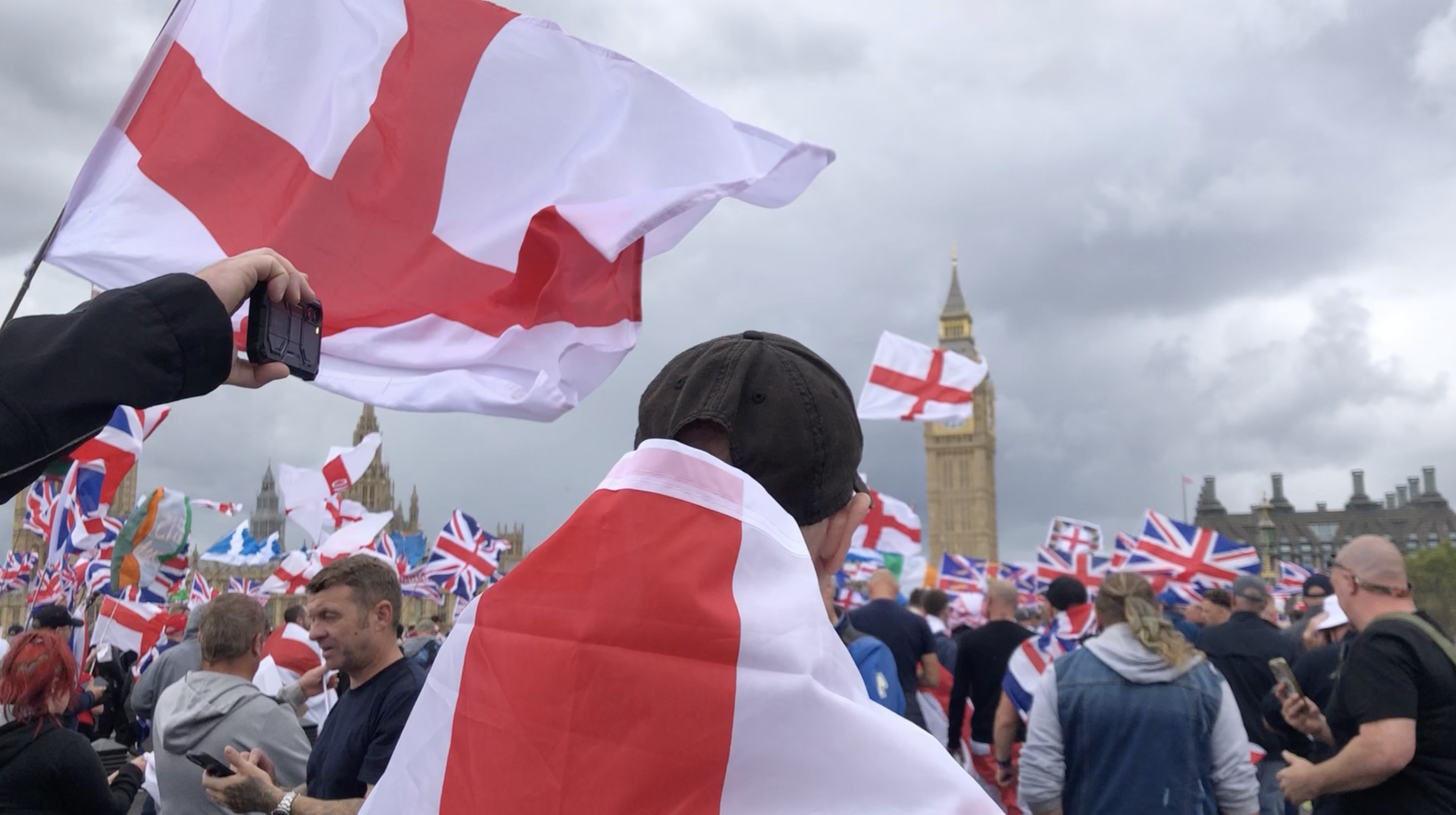
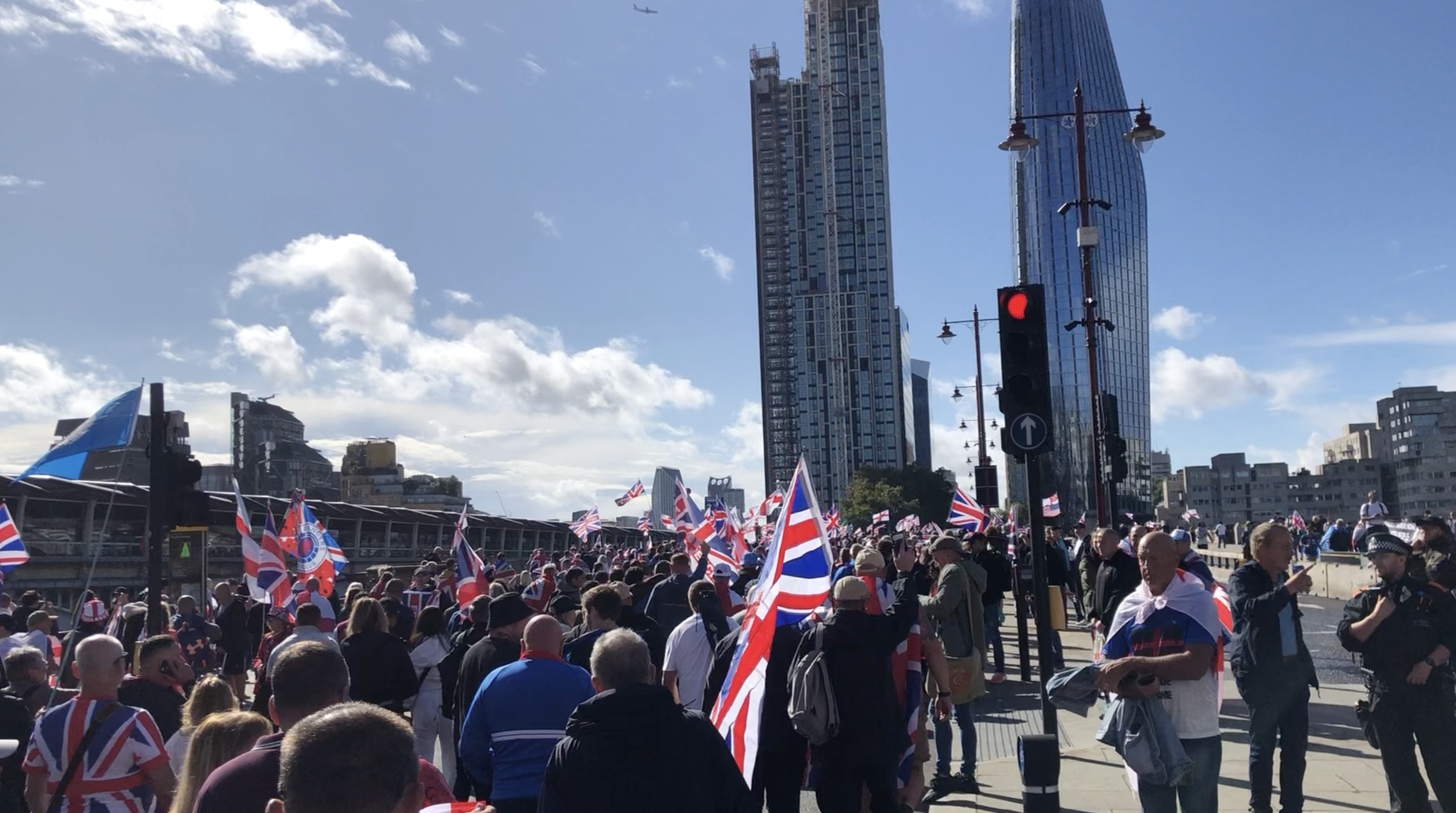
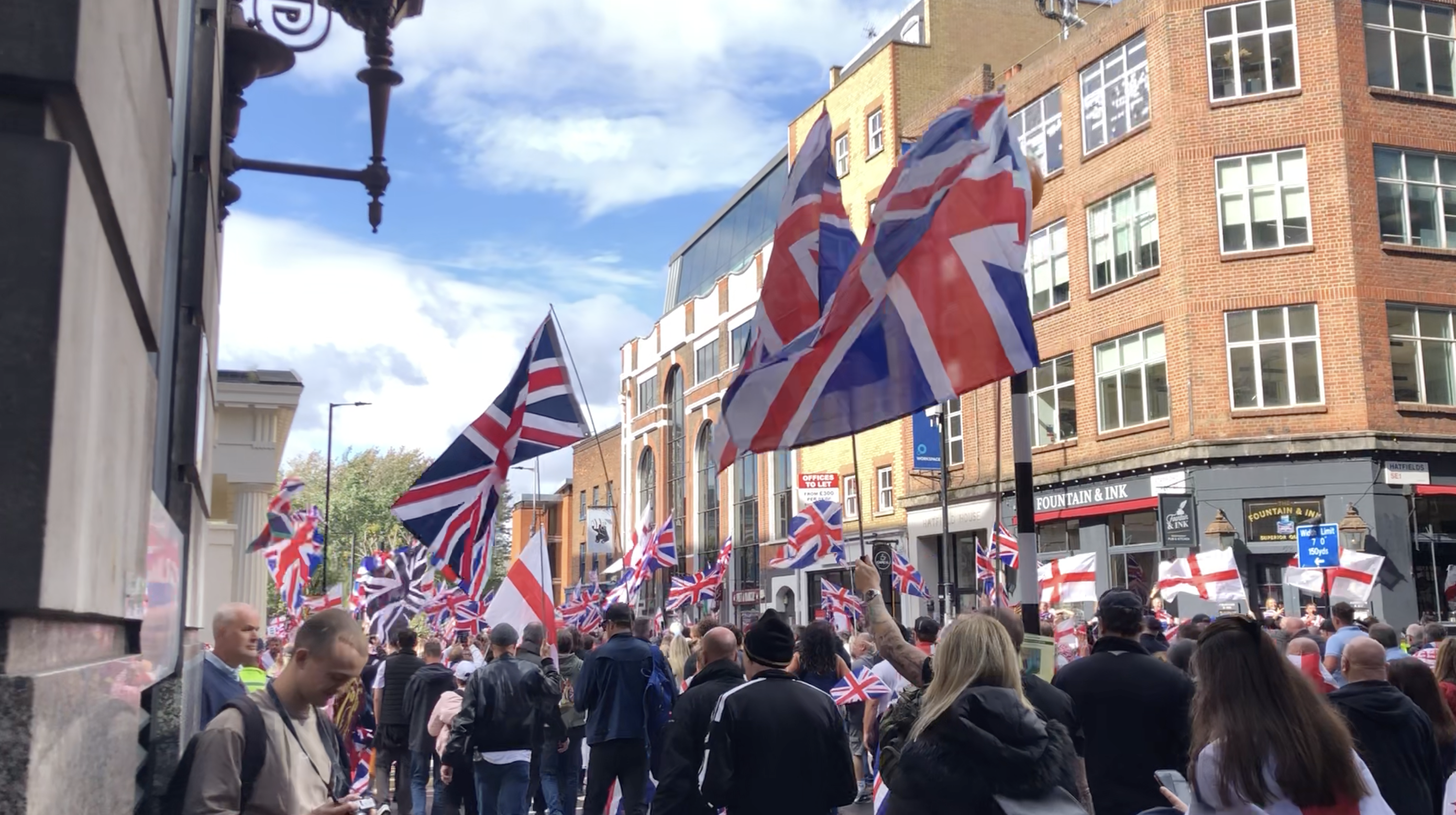
At 9 o' clock the protesters began to move.
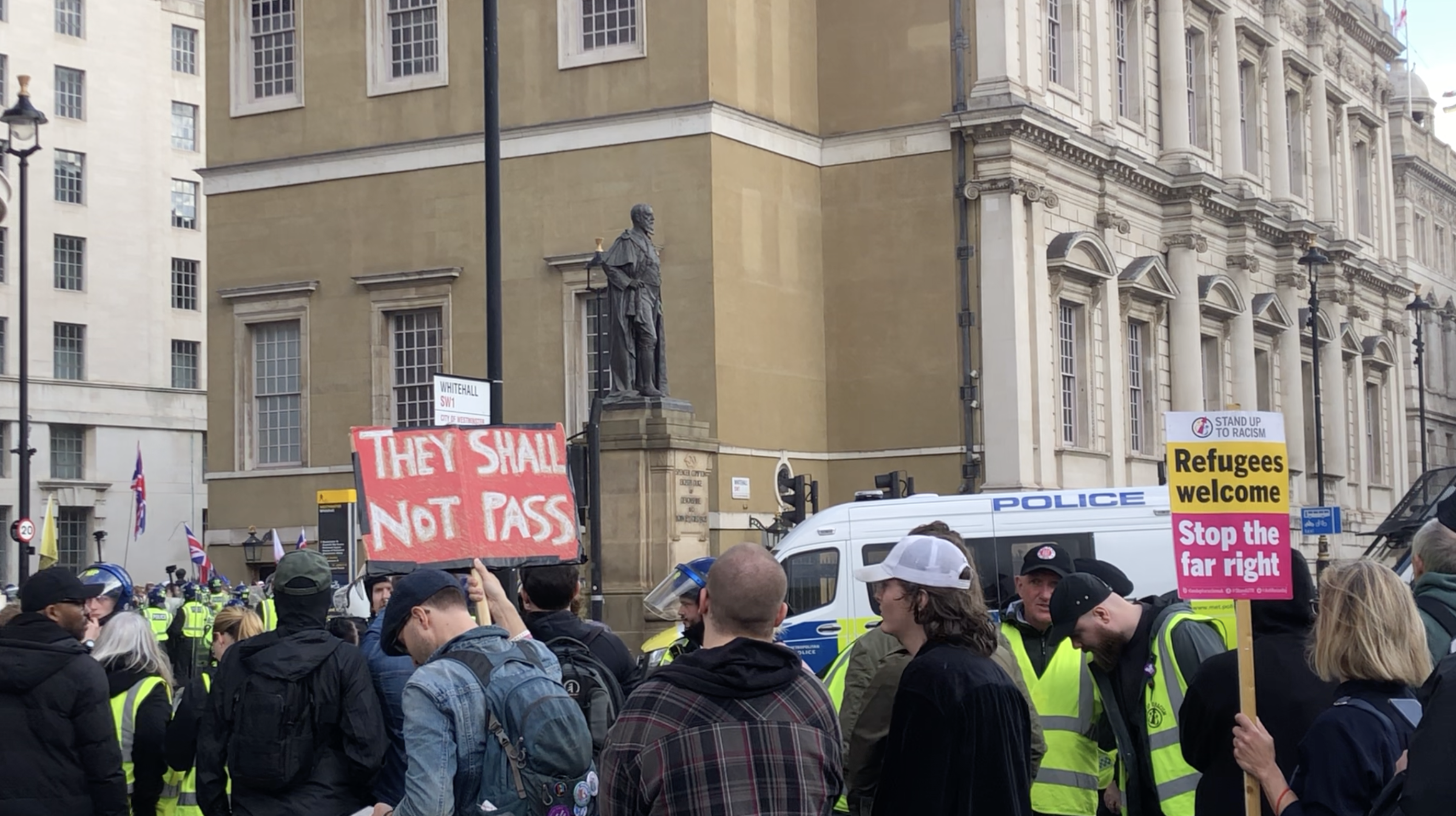
The march to Trafalgar Square started at Stamford Street near Waterloo. Due to the large crowd, it took around two hours to reach Whitehall.
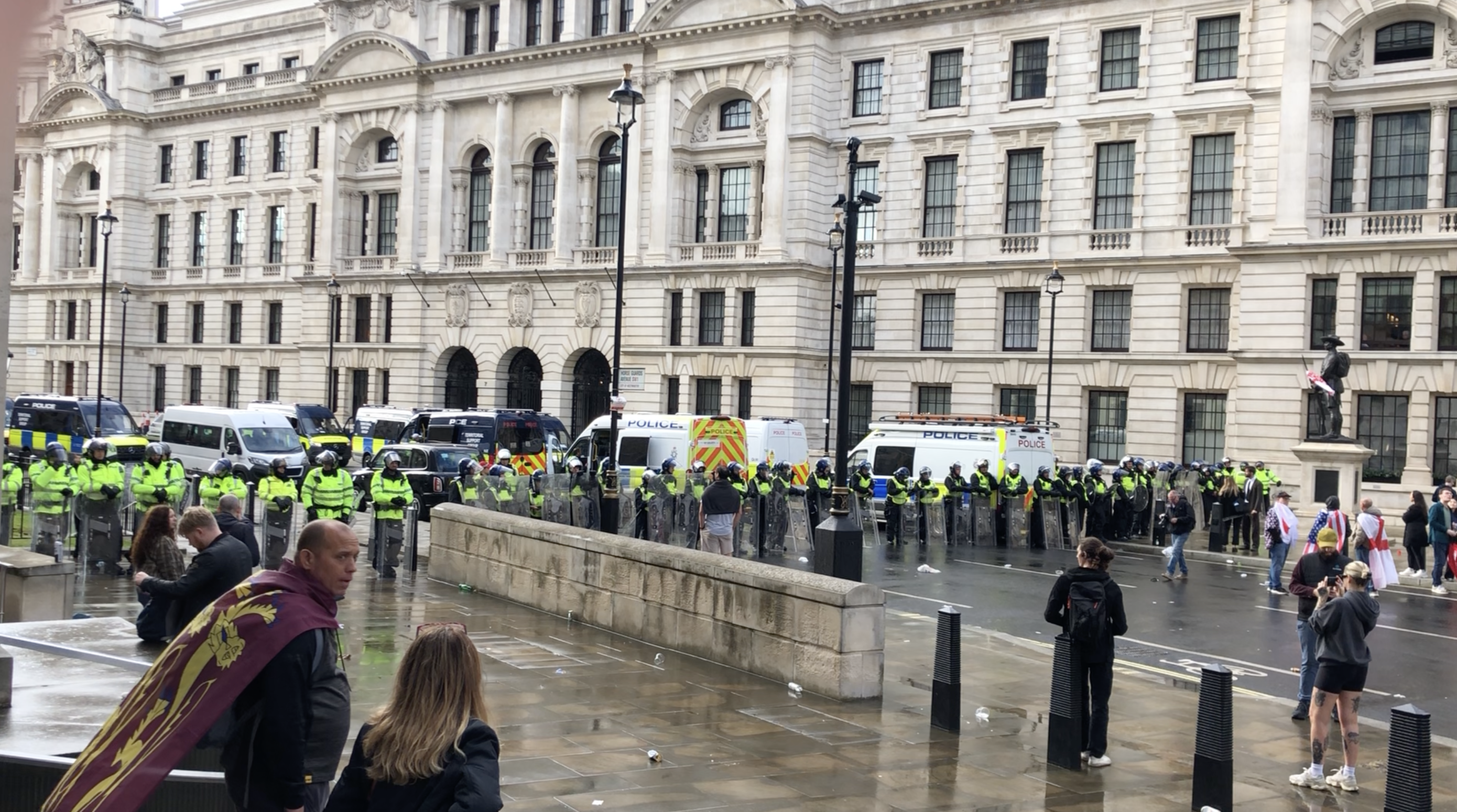
According to the London Assembly, 1,579 officers and nine police staff were deployed to police the two demonstrations in central London - Unite the Kingdom and the counter-protest Stand Up to Racism.
Are there any limits to speech?
Opposite Trafalga Square, the Stand Up To Racism and local anti-fascist groups held counter-protests outside Whitehall.
Historically, there have been limitations on certain types of speech.
"So that could be public order offences, or it could be that you can't cause speech that might cause alarm, harassment, stress. There's offences around obscene obscenities as well. There's offences around the British Communications Act," Baker said.
I asked activists whether limitations apply in terms of hate speech, and how that factors into the equation.







Suspension
American late-night talk show host Jimmy Kimmel was suspended from air after comments he made regarding Kirk's death.
This decision created a public backlash regarding free speech, and whether the move was appropriate.
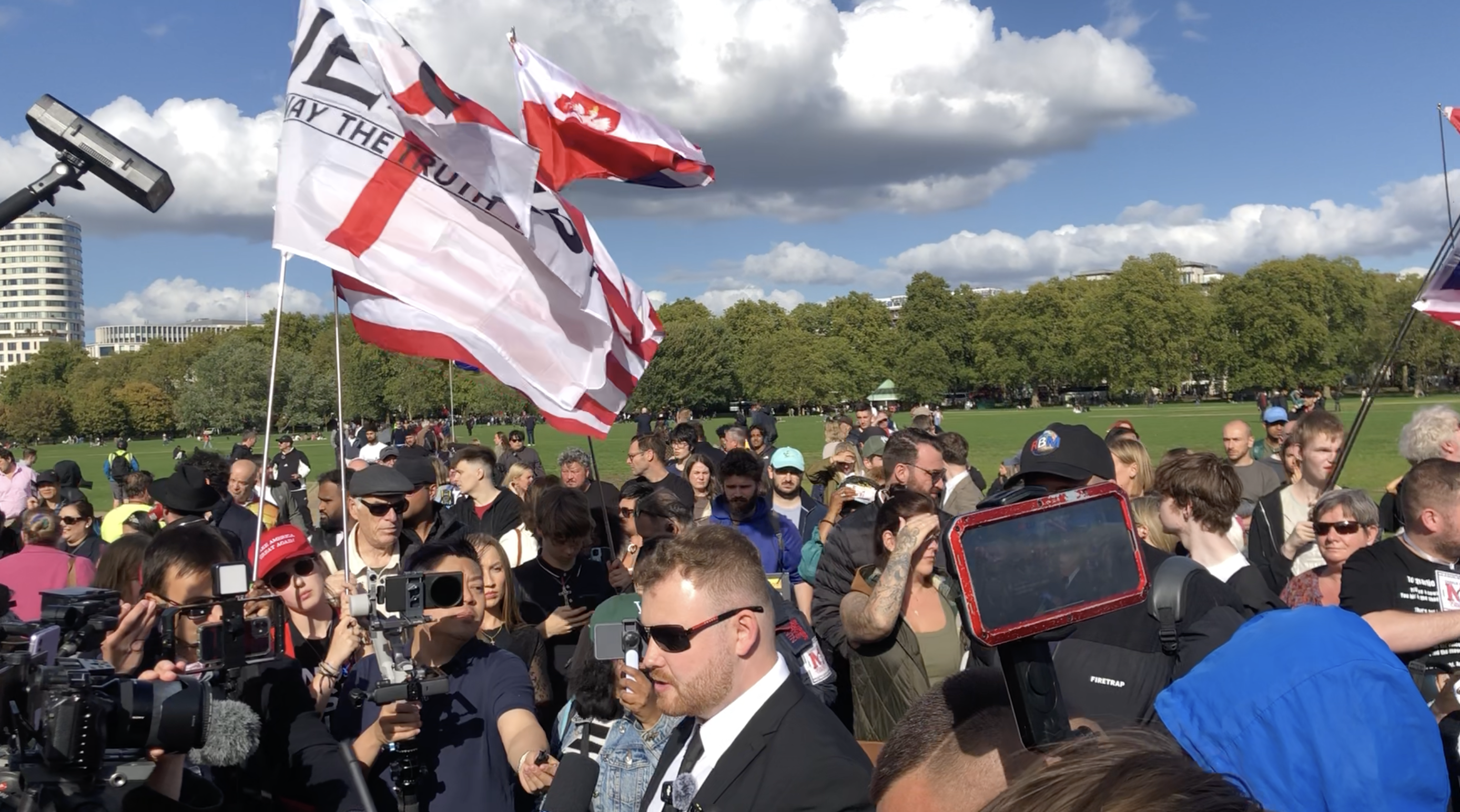
On the 27th of September, a vigil for Charlie Kirk was organised by Turning Point UK in Hyde Park.
Supporters were mourning his loss and speakers highlighted the values he stood for.
I asked them whether Kirk's death will impact free speech, his legacy, and their reaction to Kimmel's suspension.
What does the future hold?
From the Tommy Robinson protest in the UK, to Jimmy Kimmel’s suspension and Charlie Kirk’s death, debates over free speech are dominating headlines on both sides of the Atlantic.
These events show the stakes are high: who gets to speak, and the consequences for stepping out of line. For the UK, this issue has sparked fresh discussions about the limits of expression and the balance between freedom and responsibility.
Yet, despite these pressures, there is reason for cautious optimism. Baker said: "we're going through a period of more surveillance and crackdowns. But I also think it's the human nature and spirit to want to communicate.”
"So I think people will innovate and create new ways of communicating that go beyond the kind of internet as we know it today.”
All images and footage are my own unless otherwise credited




 Built with Shorthand