
How safe are false nails?
With an increase in people taking to social media, such as TikTok and Instagram, to complain about the after effects of false nails, what does this issue really mean for our nails and health?
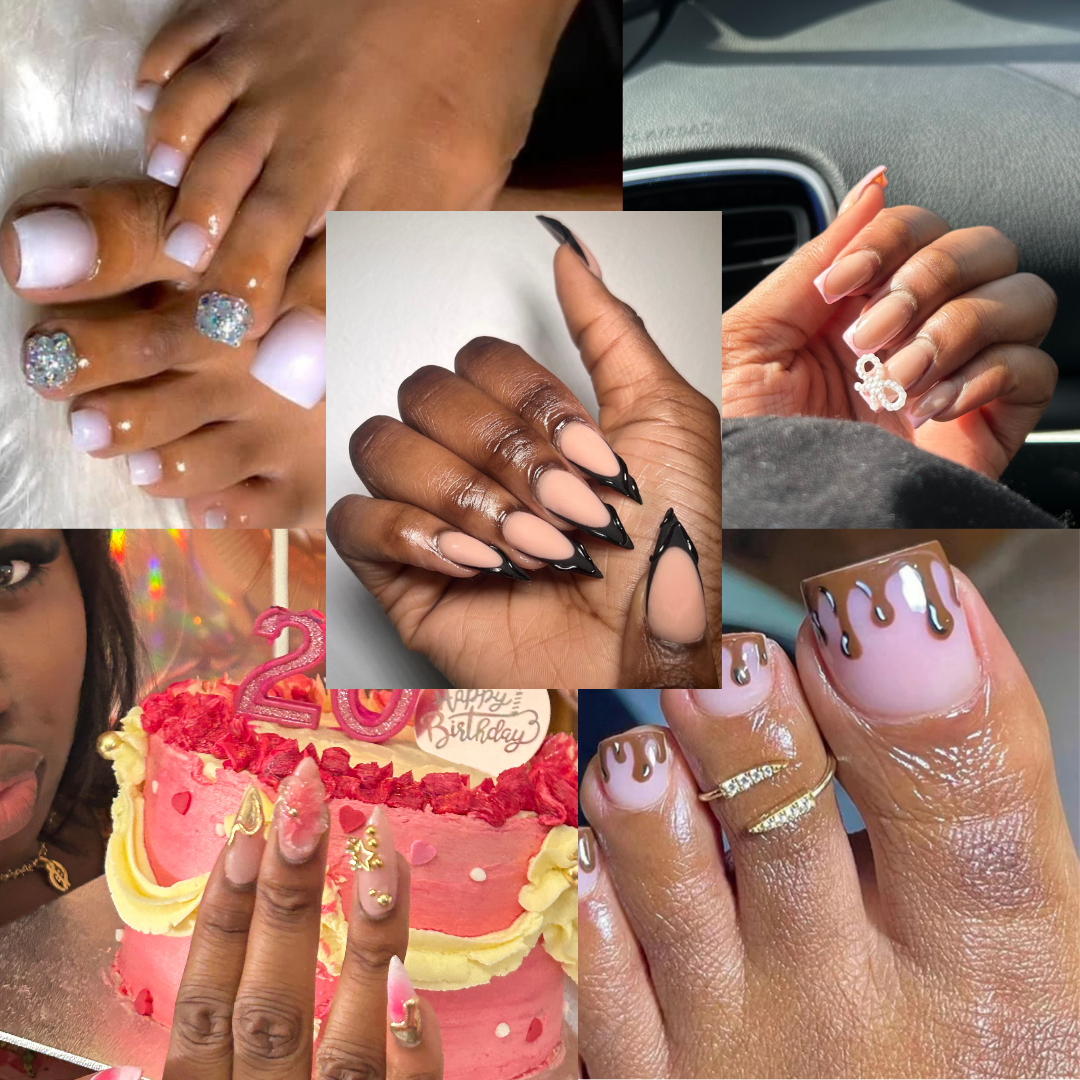

There has been a rise in complaints about false nails and how affects health. Originally created by the Egyptians, artificial nails have been worn predominantly by women for hundreds of years. This was meant to be recognised as a symbol of status and wealth. These were often made from bones or ivory.
The concept of false nails was accidentally founded in 1954 by a dentist called Frederick Slack. One day at work he broke his nail and fashioned an artificial nail to go over his broken one, using dental acrylics.
Since that creativity in acrylic nails have progressed into what is worn by many people today as a beauty and fashion statement.

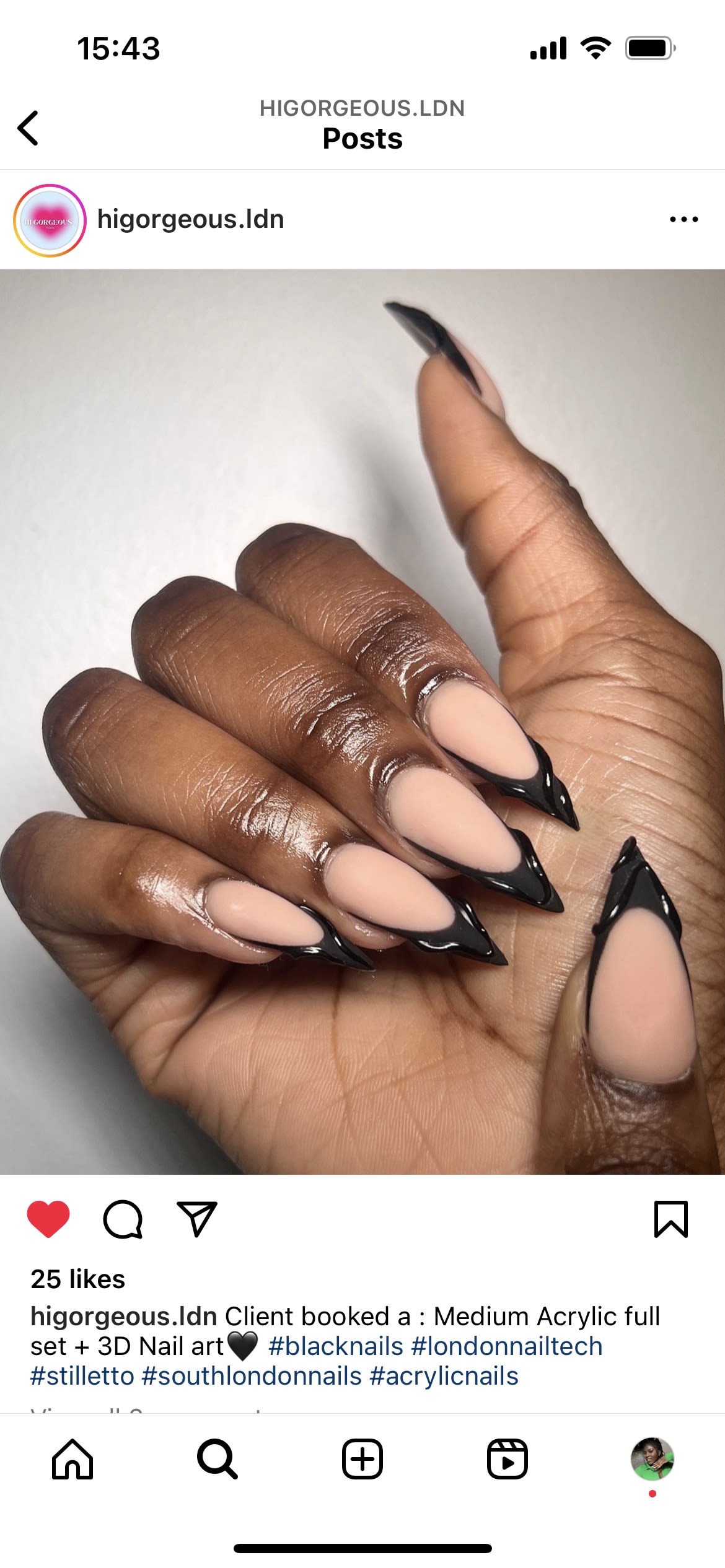
Beginning of nails
In the 1960's this is the method used to do nails.
Timeline
1950 -60s: Frederick Slack, a dentist, discovered acrylic’s potential accidentally when he cut his thumb at work and used the material for creating artificial teeth as a replacements Beauticians followed onto his creatvity and saw it could also be used to create artificial nails
1970s: For health and safety reasons, the use of methyl methacrylate in the production of nail extension materials was banned. Instead a weaker methacrylate was used, causing less damage to both the natural nail of the client and the health provider in contact with the material.
1980s: By now nail technicians began shaping acrylic nails with electric files which were also used for jewelry making and dentistry. In 1982- The first UV Gel system was introduced.
1990s: The reigning design was dark coloured polishes for both men and women. The dark colors became desirable.
2000s: With advancements of technology and innovations, silver chrome nails — aka mirror nails — were reminiscent of the early technology craze that included gadgets like DVD players, flip phones, and digital cameras.
"The experience I've had with nails, makes me never want to do them again."
Rosie-Ann Garden
There are many ways to enhance your natural nails. Acrylics, gel paint and over recent years, the use of new developments like biab have become popular. With predominantly female consumers the nail industry has become a multi-million dollar industry.
The nail industry is a fast-growing business that has used creativity to capture the attention of young and old, male and female. .
Spherical Insights and Consulting also said the nail industry is currently valued at around 1.63 billion USD. During, the covid lockdown, although there was nowhere to go people invested in DIY nail kits and took it on as hobby.

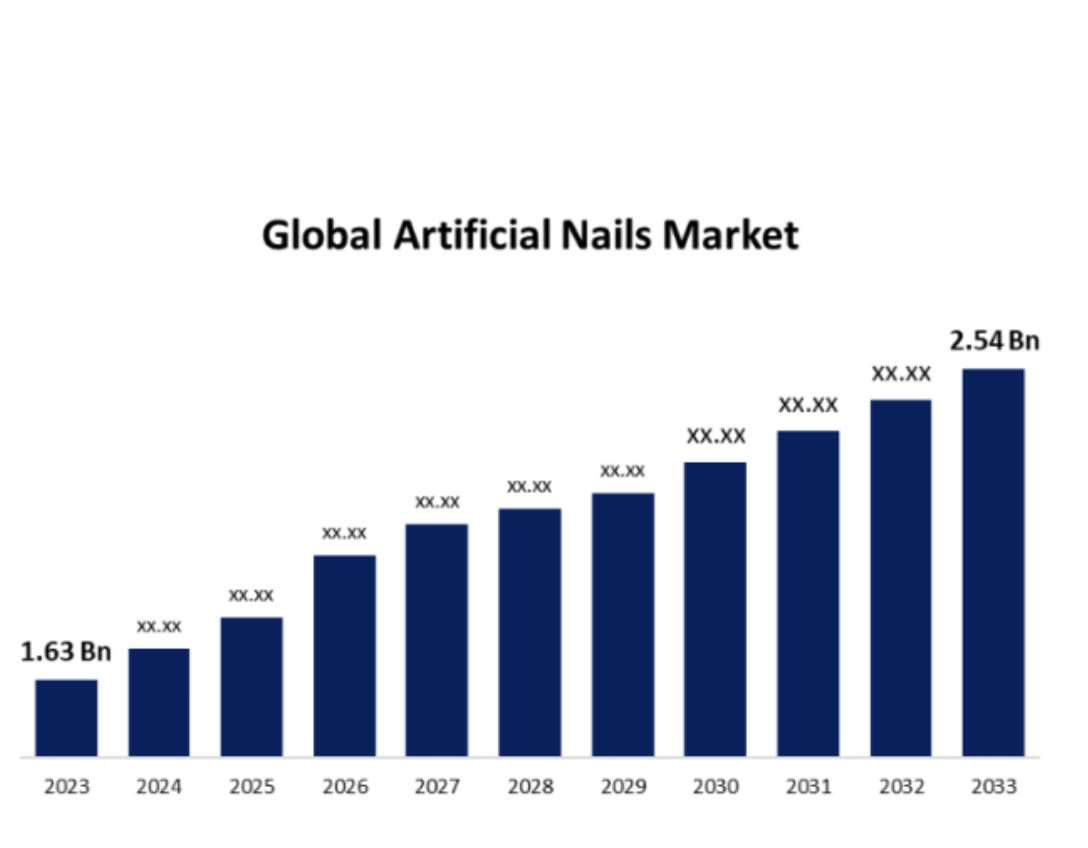
Graph from spherical insights on yahoo finance
Viola Maimane
Viola Maimane, a 26 year-old content creator in Johannesburg, South Africa is one of the many people who shared her “absolutely disgusting” experience with false nails on social media. She highlighted how it has had a negative on her confidence and health.
Her video received a lot of attention, with close to half a million views. More interesting than the number of views was the similar experiences people shared in the comments. One commentator mentioned they had to have their toe amputated because of the affects of the acrylics.


"When I posted on TikTok, I did not expect to get the reach it did...just about every single comment was someone saying they've been through the same thing."
Viola Maimane



"I actually hate acrylics...never again"
Michelle O'Brien
On my quest to find insightful knowledge from experienced professionals about the potential risks of false nails, I came across professional Beautician Sakun. So I decided to meet up with her at her studio, Victoria Beauty Salon in Victoria, London.
Sakun has been in the nail industry for over 12 years. She shares about how her nail career began from Hong Kong , two years before she moved to the UK to continue nails.
We spoke about the safety of nails but also the dangers she's seen as her career progresses. She highlighted common issues that can lead to poor nail care.
Onychomycosis is a fungal infection of the nail unit, as described by the National Institution of Health. This is affects the health and growth of the nail. Research from Faergemann and Baran, 2003, describes onychomycosis as the most common nail disease. Accounting for up to 50% of nail disorders.
According to Goldstein's 2018 research 85% to 90% of women worldwide use nail care products. These range from nail cosmetics including nail polish, acrylics, silks , gel and extensions.
Transmission of dermatophytes, which is a type of fungi, into the nail is thought to begin with a condition called athletes foot in the setting of a dystrophic nail. This therefore allows penetration of fungi into the nail. National Library of Medicine says "fungi may gain access to the nail through contact with contaminated object...the sanitisation of nail tools is therefore important in preventing the spread of onychomycosis."
I was able to speak to Kay Ali, the owner of Labology 3, a hygiene brand that supplies into the beauty industry. As mentioned by Kay, Labology is "have (and are) revolutionising the health and safety practices of the nail profession".
One of the major areas of concern I saw in the industry is the poor adherence to hygiene standards as outlined by HSE. For example, wipes are widely used by nail technicians in the UK to clean and disinfect their tools; HSE very clearly discourage this as it is insufficient.
Poorly cleaned tools between clients can result in cross contamination, especially where there may be fungal or bacterial infections with a client. Worse still, most salons use a popular American brand of blue disinfectant that, as far as we are aware, is not UK compliant as they lack BS EN testing. BS EN tests is a necessary requirement for biocides in the UK as it guarantees efficacy and suitability of the disinfectants application. This is especially important if techs offer various treatments e.g. pedicures and manicures because not all disinfectants work against yeast and fungi, which are higher risk with pedicures.
Most techs were hard hit by the closures over the pandemic and are still recuperating losses from that, making the investment into expensive sterilisation machines very difficult.
They have partnered up with the Federation of Nail Professionals who will be looking to launch a Salon Hygiene Rating Scheme soon.
"We are revolutionising the health and safety practices of the nail profession".
- Kay Ali -


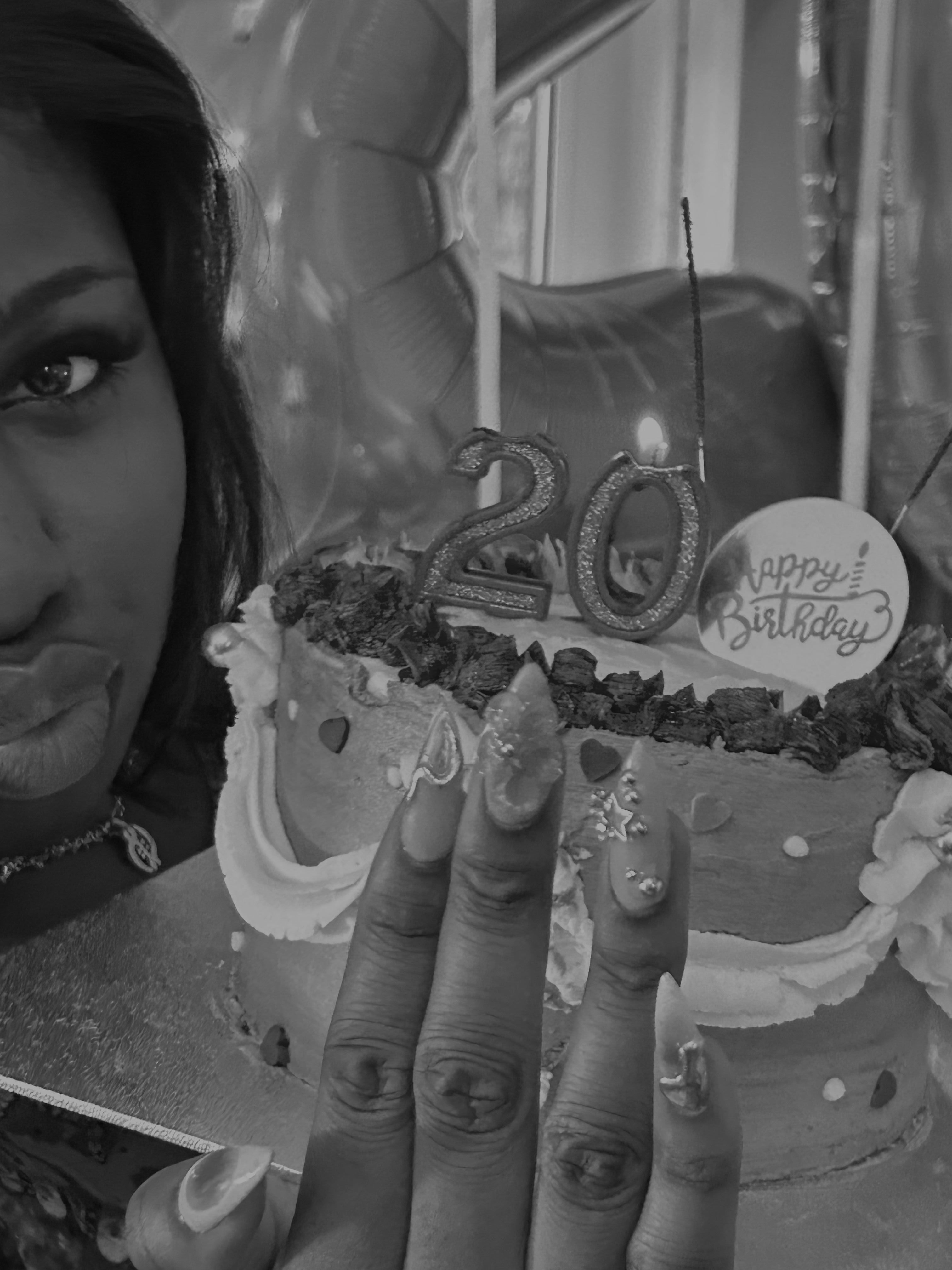
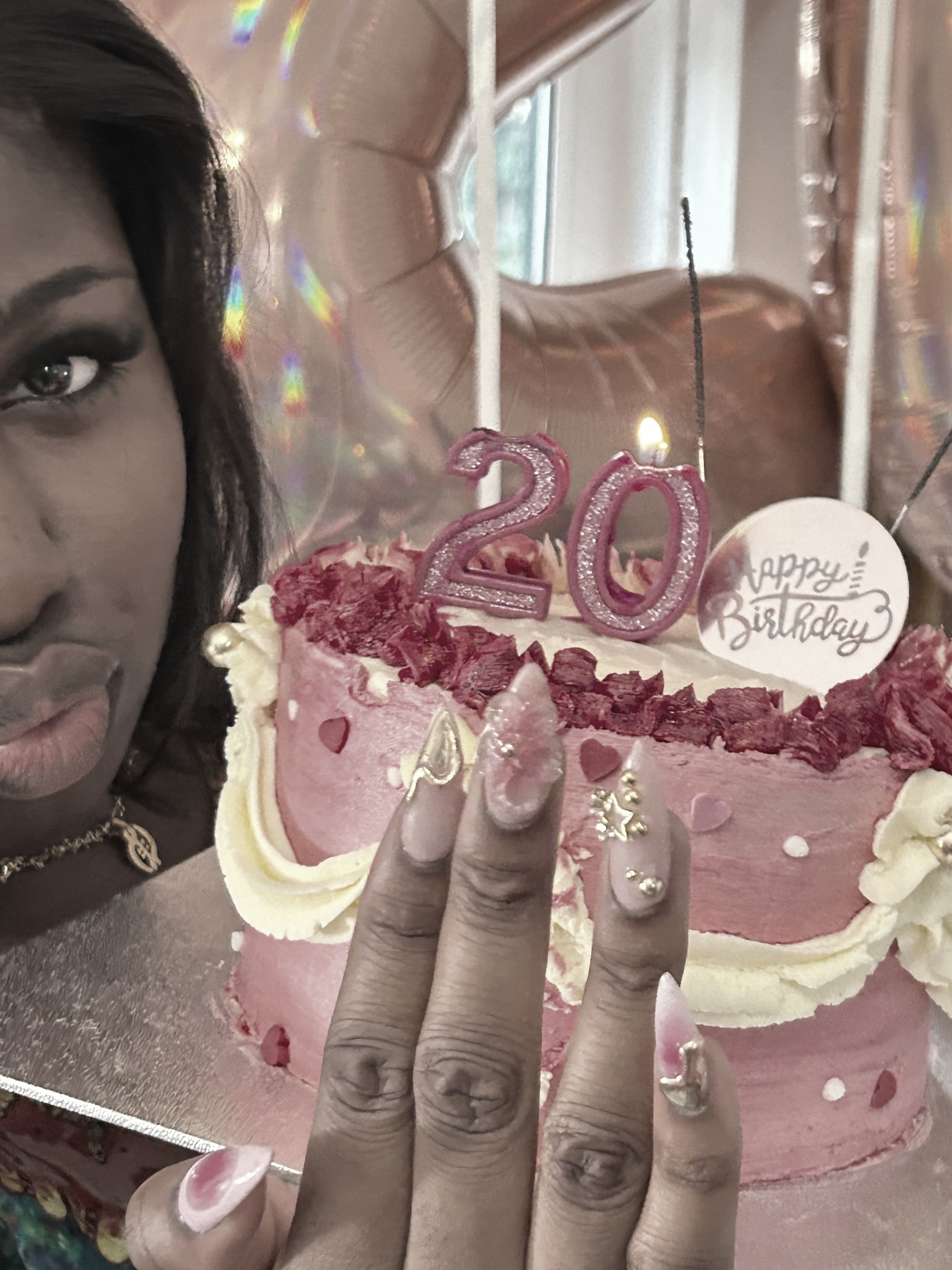
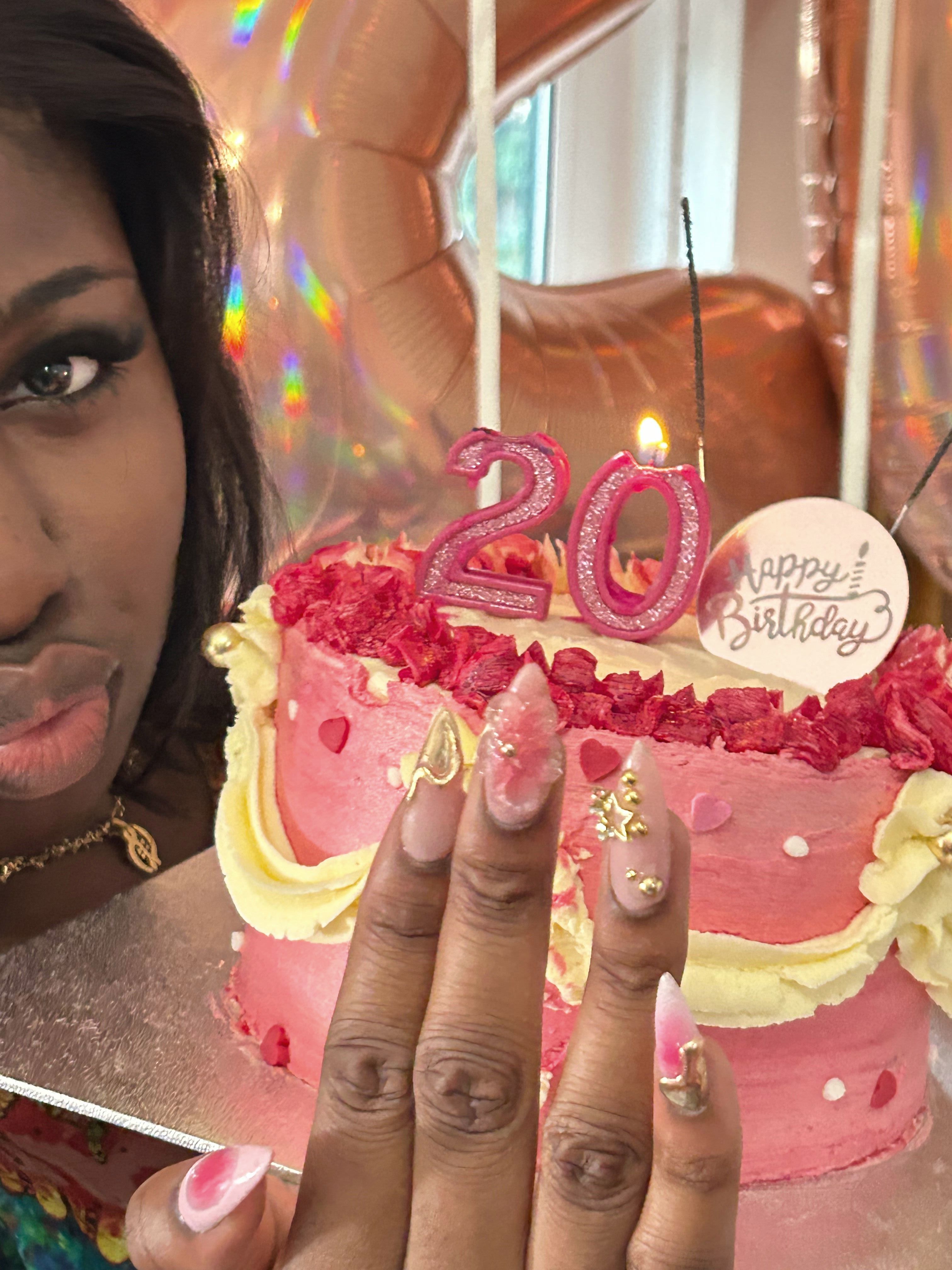
"I will never stop doing nails, I've been doing them for over 30 years. You need to be aware of the ingredients. "
Suzanne Clayton, nail expert
 Built with Shorthand