
Gym-timidation:
How harassment prevents women's workouts.


"When I first started going, [harassment] would cause me to leave the gym, or really struggle to go. I would be outside of the gym crying because I couldn't get myself to go back in knowing I was getting looks."
Tegan's experience at the gym is not unique. In fact, I bet if you asked any woman in your life that goes to the gym frequently about their experience, they would echo the same sentiments, and that's the problem.
2021 Statistics from Origym, found that 6 in 10 women have felt harassed by a man at the gym, and 2 in 5 women have avoided going because men make them feel uncomfortable.
But, it's often not just physical safety concerns that cause problems for women, many factors of wider misogyny lead to anxiety and discomfort too. Insecurity, body image issues, and feeling inferior or being patronised, are all things that put women off the gym.
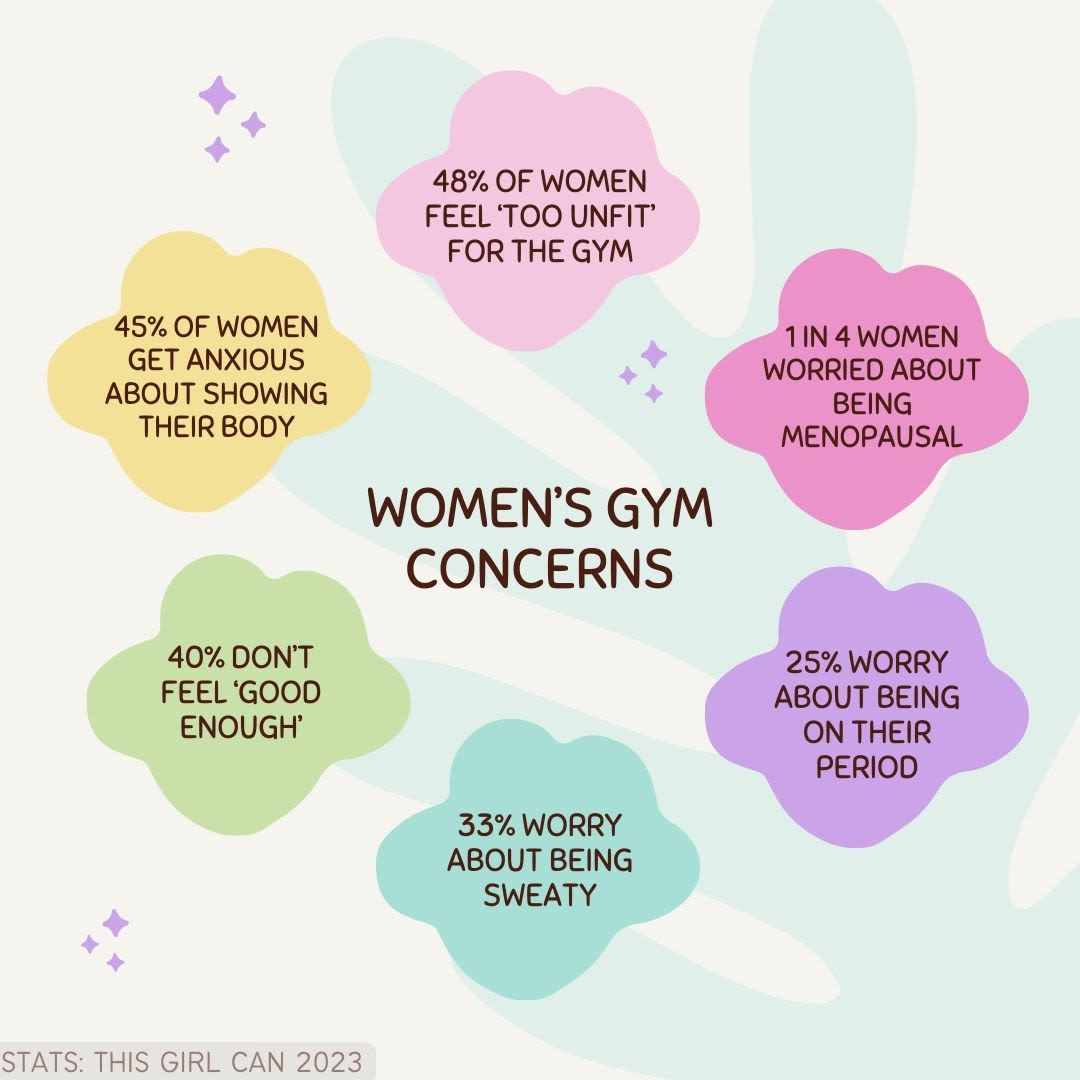
New data this year from sporting campaign, This Girl Can, explored the 'enjoyment gap' between men and women at the gym. They found that 2.4 million more men than women reported enjoying going to the gym and exercising. They also highlighted 5 areas women reported struggling with the most.


"When I first started going, [harassment] would cause me to leave the gym, or really struggle to go. I would be outside of the gym crying because I couldn't get myself to go back in knowing I was getting looks."
Tegan's experience at the gym is not unique. In fact, I bet if you asked any woman in your life that goes to the gym frequently about their experience, they would echo the same sentiments, and that's the problem.
2021 Statistics from Origym, found that 6 in 10 women have felt harassed by a man at the gym, and 2 in 5 women have avoided going because men make them feel uncomfortable.
But, it's often not just physical safety concerns that cause problems for women, many factors of wider misogyny lead to anxiety and discomfort too. Insecurity, body image issues, and feeling inferior or being patronised, are all things that put women off the gym.
New data this year from sporting campaign, This Girl Can, explored the 'enjoyment gap' between men and women at the gym. They found that 2.4 million more men than women reported enjoying going to the gym and exercising. They also highlighted 5 areas women reported struggling with the most.
Problem 1 - Safety:
Misogyny affects people's experiences at the gym in many different ways, and one main aspect is safety concerns.
Many women report making changes to their workout routine in order to avoid harassment, and steering clear of certain areas in the gym where men tend to be.
In their survey, Origym found that 28% of women, non-binary or trans people avoid the resistance area, whereas 39% of cisgender men say that they use that area most.
They found that the main reason women were avoiding this area was because "it's mostly men there."
Tegan, 19, a frequent gym goer, shared her experience with me:
"I've just had catcalling in the gym, mainly by lads my age, an example from two days ago would be when it was the first time I was in the gym just in my sports bra and shorts because I got too hot.
"I got catcalled from the lads on the machine next to me, with one of them whistling and saying 'I wish I was that bar', the bar was between my legs. I was immediately very uncomfortable, but I'm so used to it now, I stayed in the gym.
"Many times before this I would've left the gym, normally crying, and gone straight home."
Problem 2 - Body image & beauty standards:
Another massive problem women report that puts them off going to the gym, is insecurity.
From gym selfies on Instagram to tight clothing and working out in front of the mirror, many women report feeling too 'unfit' or insecure to go to the gym. And with women making up the majority of eating disorder sufferers in the UK, it's no surprise body image is a massive struggle while exercising.
I spoke to Hannah, 33, who attends women's only gym, Gymophobics, in Hull, about her experiences with insecurity and 'gym-timidation'.
Problem 3 - 'Inferiority' & mansplaining:

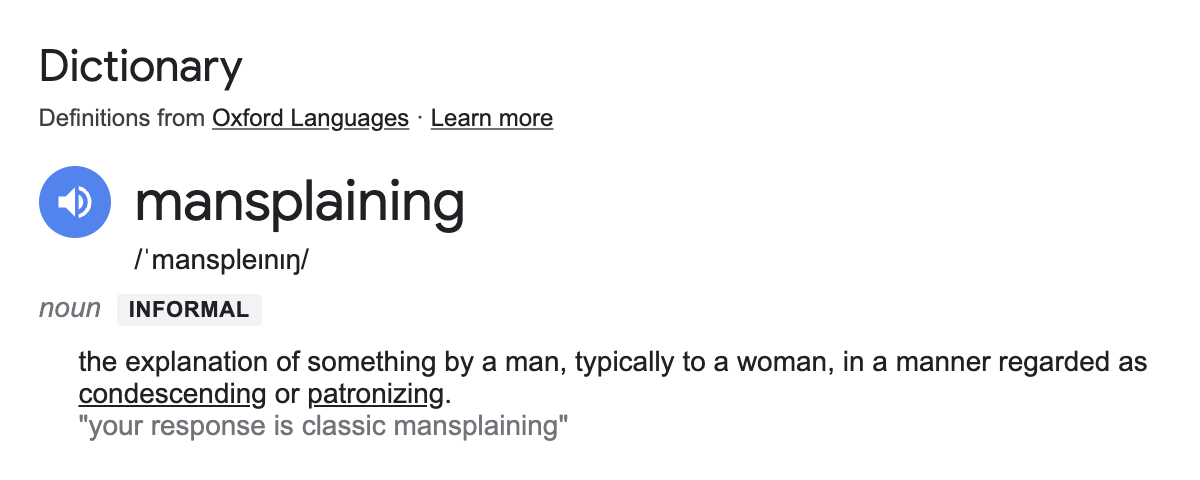
"I've had men come up to me and tell me how to do a completely different exercise on a machine to what I was doing."
Unwanted advice from men is all too common of an experience for women at the gym. From powerlifters to bodybuilders, femme people from all walks of life probably have a story about a time they got "help" from a guy at the gym.
In fact, Buzzfeed, Stylist, Bustle, Refinery29 and Medium (the list goes on) all have articles on how to deal with this exact problem.
According to a survey by Origym, 13% of women, trans and non-binary people reported that cis men had made patronising comments towards them, while 11% said they "wouldn't take no for an answer when I didn't want help or advice."
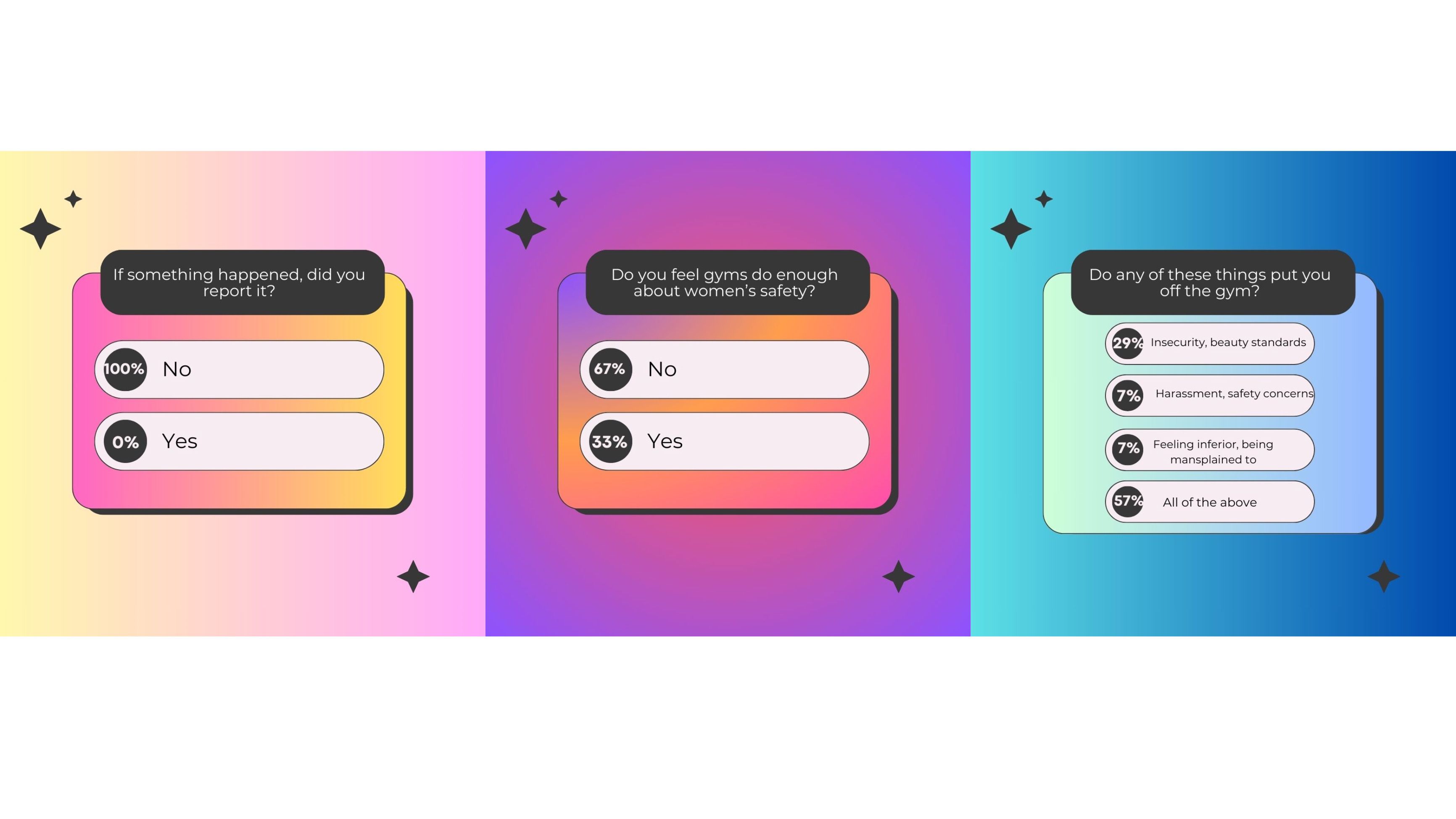
I did a poll on Instagram of 20 people for my own research and asked about their experiences while at the gym.

To get the perspective of a man that goes to the gym regularly, I spoke to BBC Radio Humberside presenter, Kofi Smiles.

So, what's the solution?
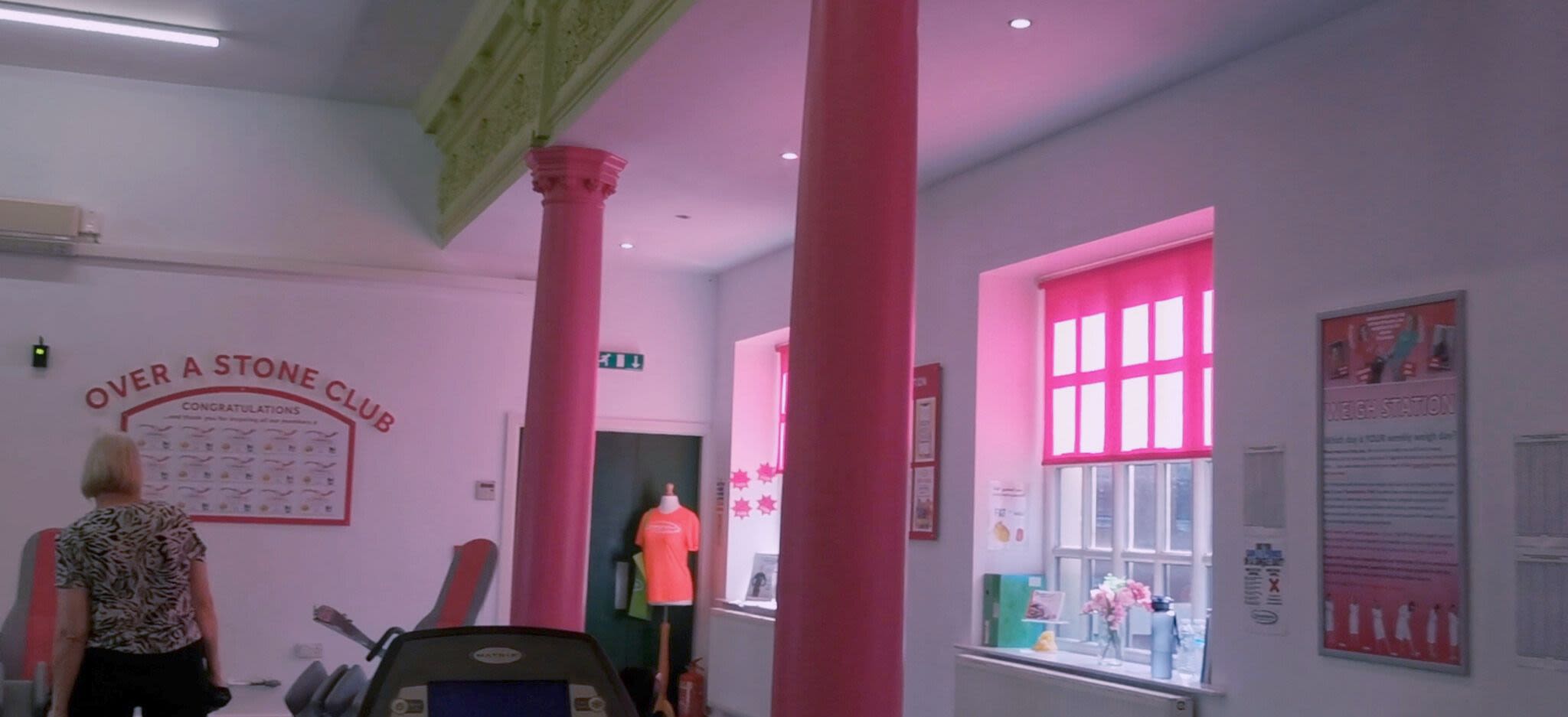
Gymophobics is a UK based health and fitness franchise with 46 centres across the UK.
They have no men and no mirrors in all of their centres and focus on 'resisted tension' exercises, which founder Donna Hubbard says she found beneficial during her professional swimming career.
Gymophobics is the only women's only gym in Hull and it was taken over by Kaylee in 2021. Kaylee originally joined as a member when her mum had a positive experience at the centre, she later became an instructor and went on to buy the franchise.
Kaylee told me that she had previously attended conventional, unisex gyms, but found she would get harassed a lot and that the 'women's only' sections in gyms often didn't have the equipment she wanted to use and that she'd receive unhelpful advice from male gym goers.
I spoke to different women at Gymophobics about what they like most about the centre, and their experiences in typical gyms.

"It's rarely taken as serious as it should be, and there's a fear of getting blamed or guilted."
As someone who has never been to the gym before out of anxiety from the same issues discussed in this article, I'm relieved to have found such a tight-knit community of women supporting each other right in the heart of Hull.
There's still a long way to go, and a lot more action people would like gyms to be taking to tackle harassment, but there's a little ray of light from places like Gymophobics, set up by women just trying to deal with an issue that affects them constantly while trying to stay healthy.
In my opinion, it's men's turn to address their own behaviour and call out their peers in the gym if they see someone getting harassed, so women can focus on their fitness, rather than their physical safety.

 Built with Shorthand