
Green Belt building: compromising London’s green spaces or providing affordable housing?
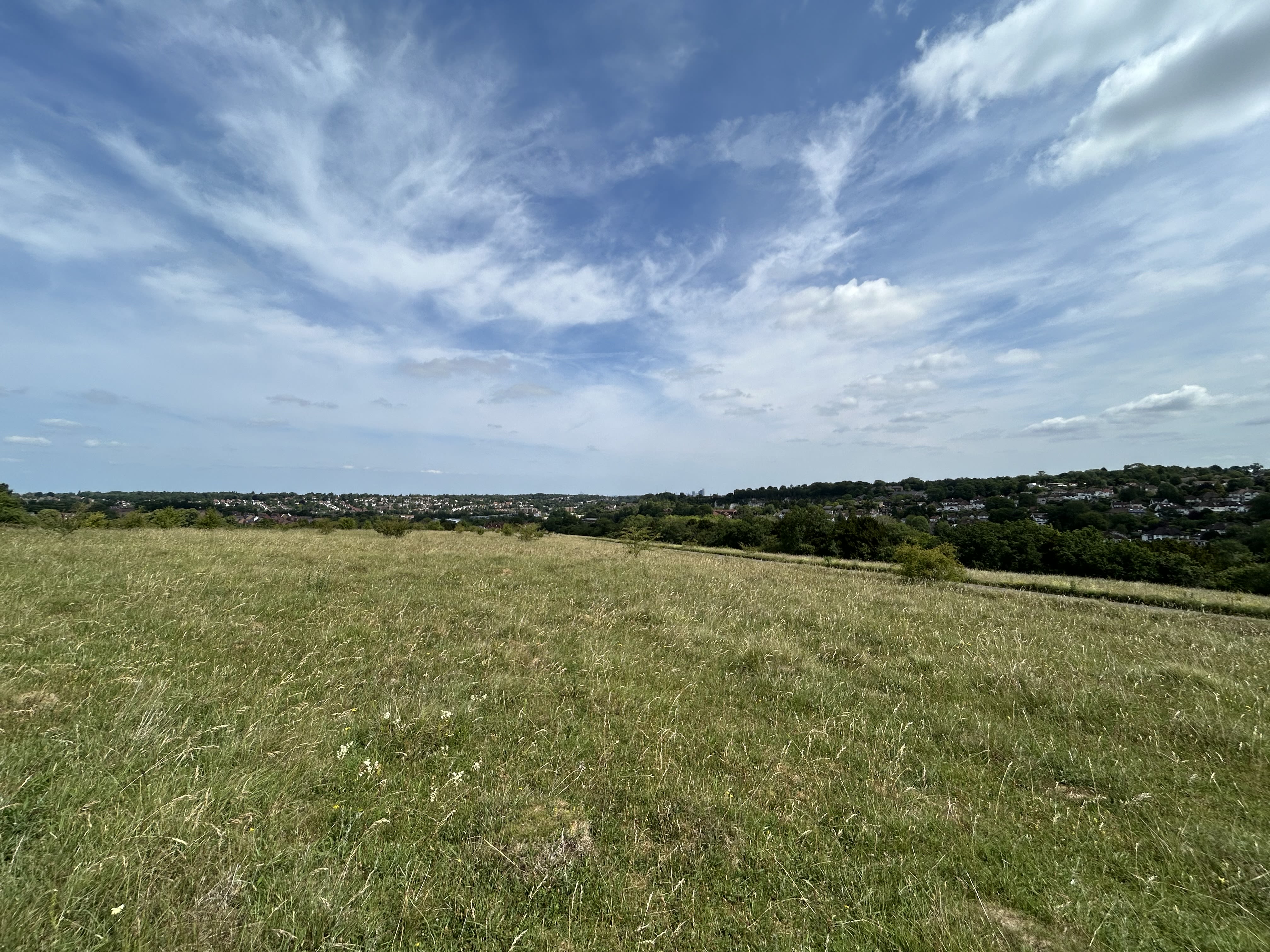


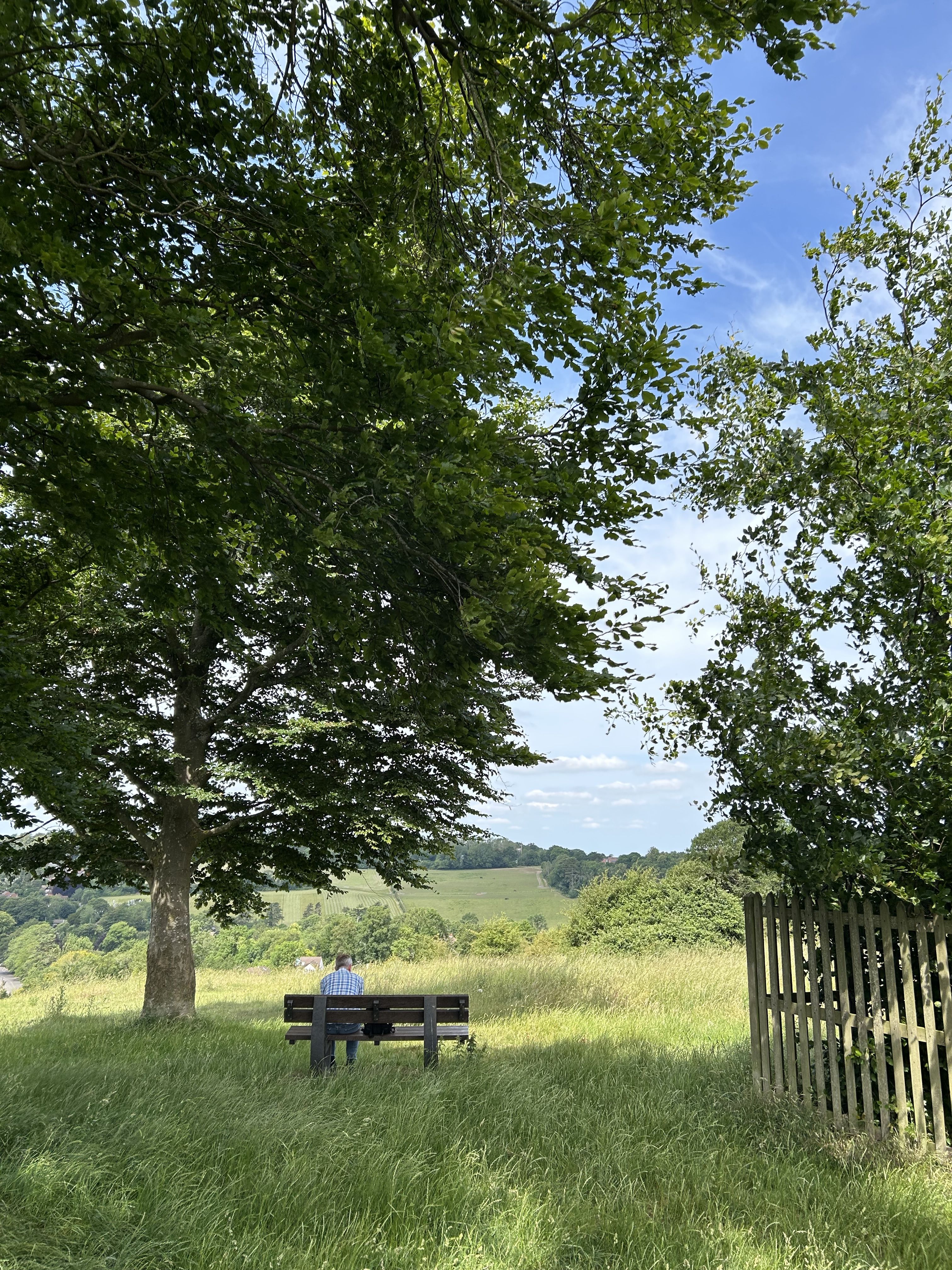
An elderly gentleman sitting on a bench in Farthing Downs, Croydon. Taken by Megan Norman
An elderly gentleman sitting on a bench in Farthing Downs, Croydon. Taken by Megan Norman
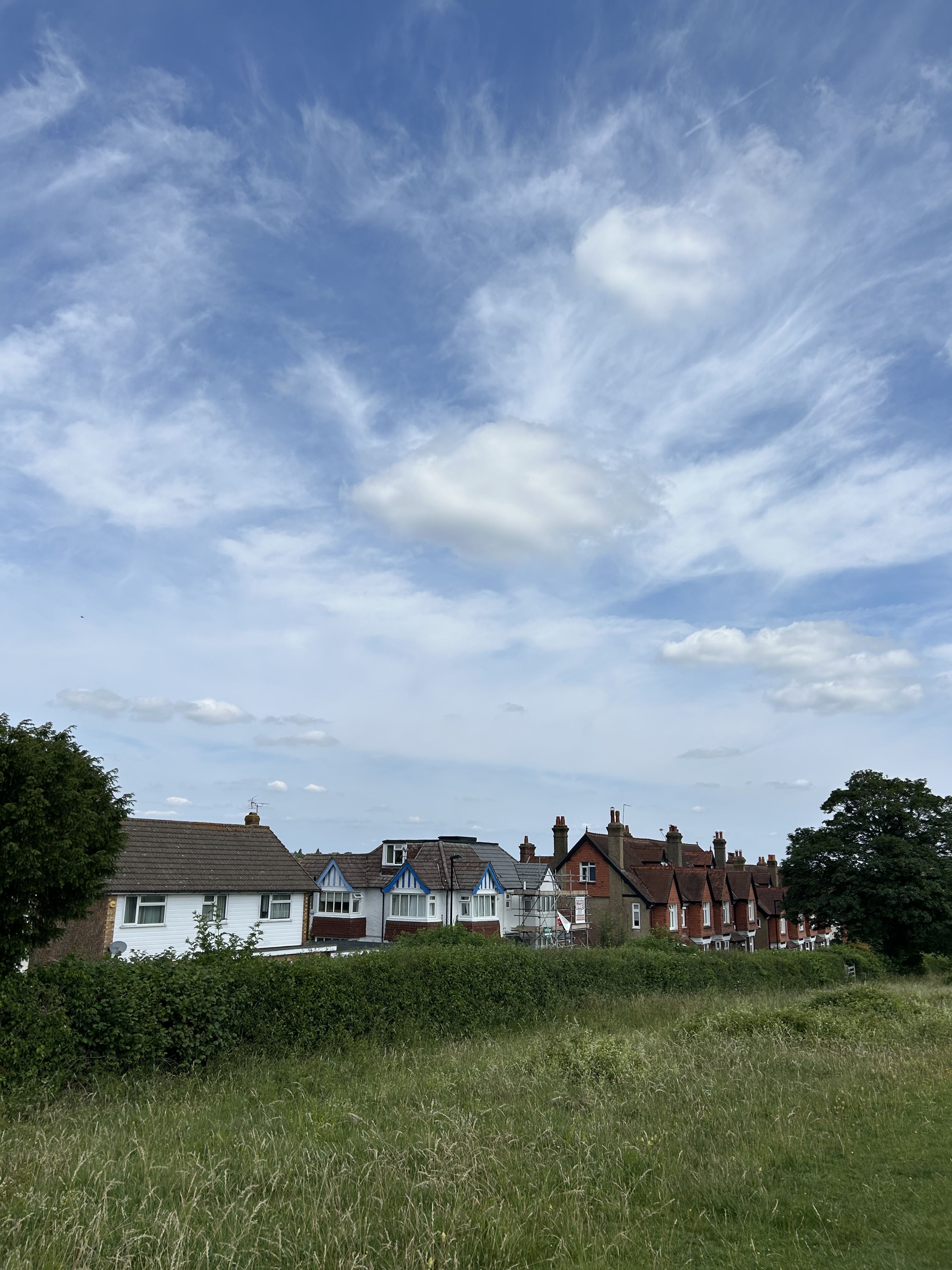
The Green Belt border is extremely close to the housing, in Farthing Downs, Croydon. Taken by Megan Norman
The Green Belt border is extremely close to the housing, in Farthing Downs, Croydon. Taken by Megan Norman
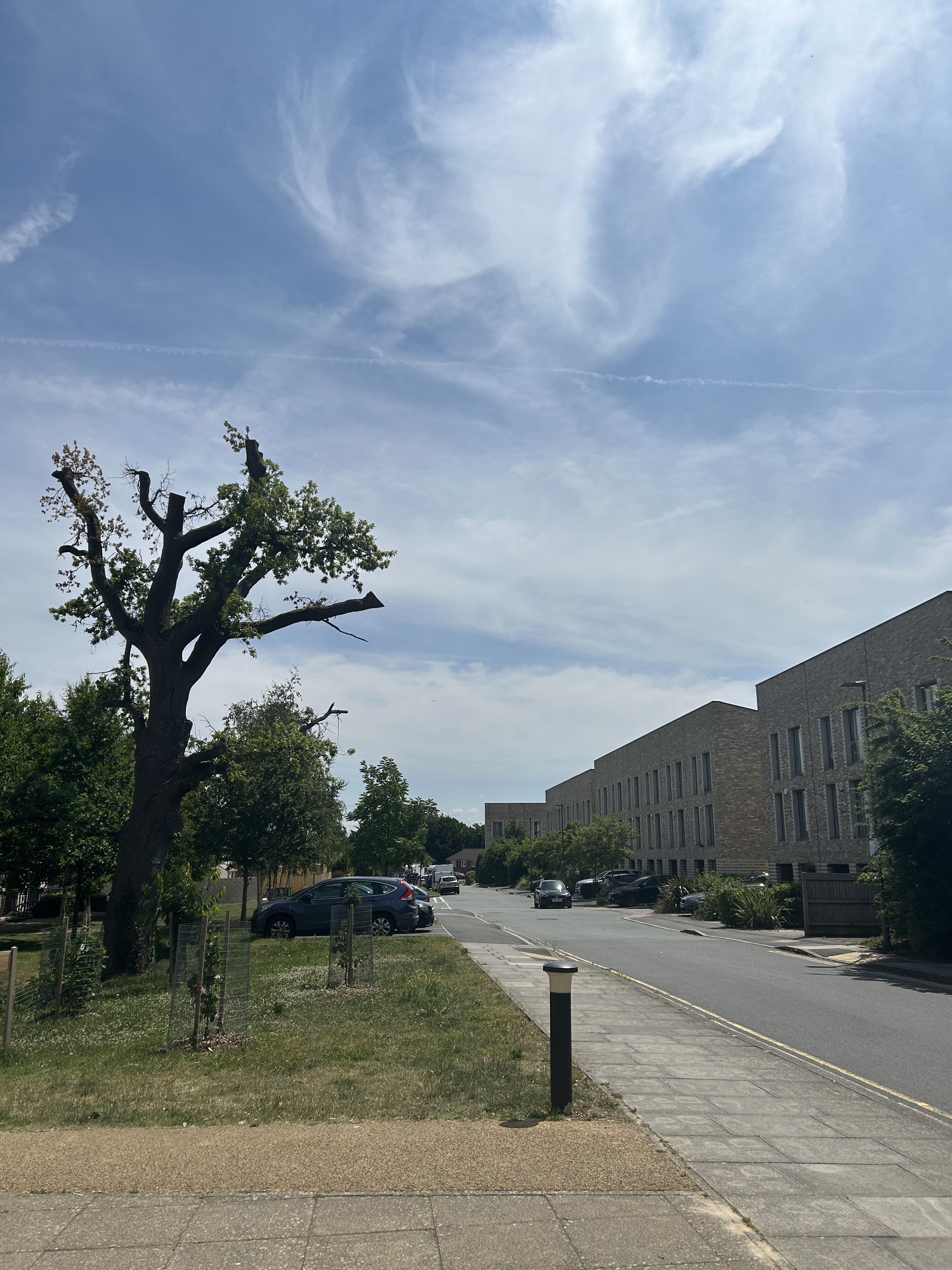
Remnants of the Green Belt in Stonegrove Estate, Edgware. Taken by Megan Norman
Remnants of the Green Belt in Stonegrove Estate, Edgware. Taken by Megan Norman
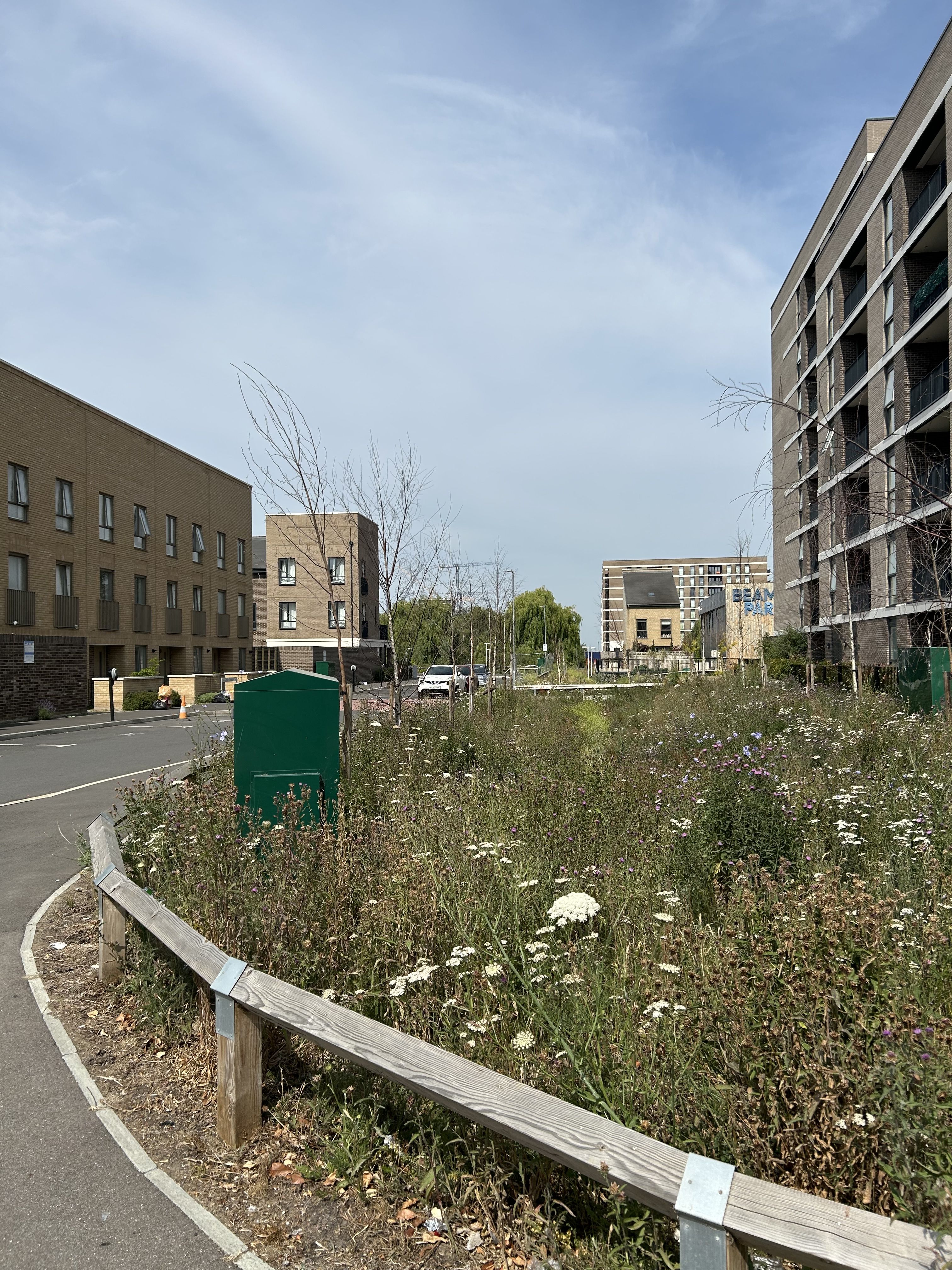
Wild flowers near the road in Beam Park, Rainham. Taken by Megan Norman
Wild flowers near the road in Beam Park, Rainham. Taken by Megan Norman
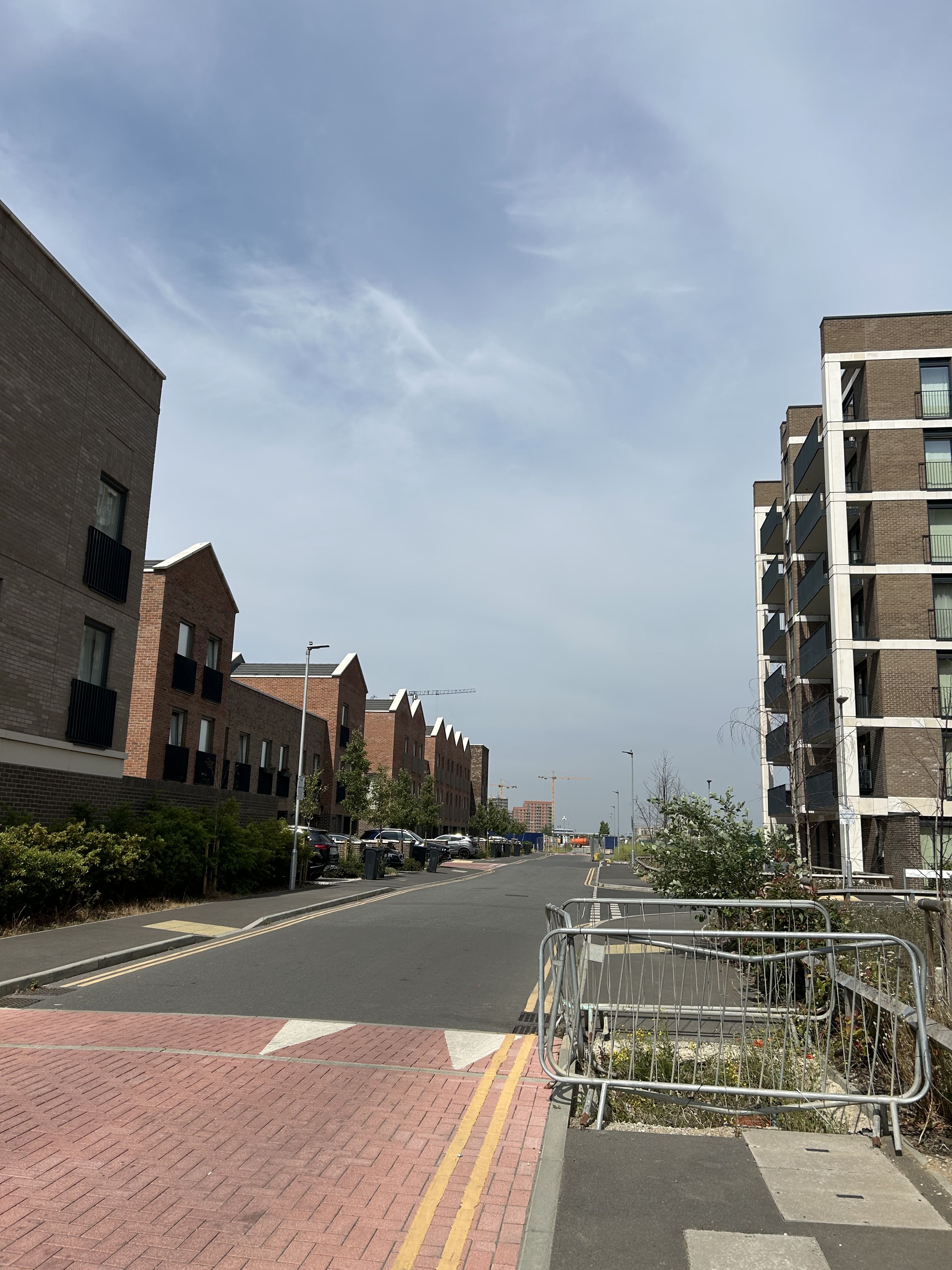
Housing estate in Beam Park, Rainham that is currently being developed. Taken by Megan Norman
Housing estate in Beam Park, Rainham that is currently being developed. Taken by Megan Norman
London Mayor, Sadiq Khan, is proposing to build on the Green Belt to provide more affordable housing. What will happen to London’s green spaces?
The Green Belt was originally part of a plan to stop urban sprawl and protect London’s precious green spaces, says Andrew Boff, Great London Authority Assembly Member.
“Sadiq Khan’s draft London Plan – the overarching strategic planning framework for the city– strengthens safeguards which prevent harmful development on vital green land both within and surrounding the capital.” from the Mayor's press release in 2017.
“But development must not be done at any cost: the Green Belt is the lungs of the capital and must be protected.”
Sadiq Khan announced plans to build on London's Green Belt on May 9 2025.
So, what has changed in the past eight years?
"The government has dumped a 'housing target' of 88,000 homes per year on London." said Alice Roberts from Campaign to Protect Rural England (London) (CPRE).
Whilst housing targets are set for local authorities, the councils don’t build the homes themselves. They allocate land where homes can be built.
Housing targets have never been about the building of houses but rather the release of land says Alice Roberts.
She adds: "This has been going on for more than 15 years."
The result is that the council struggles to identify enough urban brownfield land and is forced to allocate green belt or green fields as well.
“The housing crisis in London is real” says Andrew Boff.
But you don’t solve the problem by selling off such a valuable asset to the city, because you find it difficult to build the homes that Londoners need he adds.
The Green Belt is crucial to the London population as not only does it stop urban sprawl, which causes high carbon, but it absorbs rainwater; helps manage flooding up stream; helps air temperature management; it’s a carbon sink says Alice Roberts.
It also hosts habitat and is a place for agriculture.
Green spaces are meant to be used by every Londoner for relaxation and recreation.
Andrew Boff says: "It's a place where you can go for enjoyment."
You can walk your dog, you can go jogging, you can let your kids play there. You can just take in the nature. These are the places where we want to go and get some comfort from the urban environment.
In 2017, Sadiq Khan said: "London’s Green Belt makes up almost a quarter of the capital’s land area and benefits London’s air quality, as well as helping reduce the risk and impact of flooding and providing habitats for London’s wildlife."
Is there a middle ground? Could there be a more nuanced Green Belt policy?
Andrew Boff does not think so.
If owners of land in the Green Belt can sell their “derelict” land to be developed, then expect the fences to go up and access to be restricted.
Andrew Boff believes that Sadiq Khan should be looking at those lower-quality Green Belt pieces and improving them and the public’s access to them.
Land speculation, the buying of cheap land (like farmland or Green Belt) in hopes it will be reclassified for housing or other development, is already happening says Alice Roberts.
She added: "If you start to show weakness in relation to land protection, sites get bought up and land banked."
Building more homes will not necessarily reduce house prices or rents says Alice Roberts.
This is because housing is an essential good, which means people will pay whatever they can to keep a roof over their heads, even at the cost of poverty.
When they can no longer afford it, they become homeless, and councils having sold off much of their social housing stock under Right to Buy are forced to place them in temporary accommodation.
In London, 1 in 20 children now lives in temporary housing, costing boroughs £4 million a day and pushing many councils toward financial collapse.
Despite this, the long-standing political narrative that simply building more homes will solve the crisis has failed to deliver real solutions, Alice added.
Many surface car parks in well-located town centres across England offer a major opportunity for development says Alice Roberts.
She adds that since many of these car parks are publicly owned, they could be repurposed to deliver social and affordable housing, rather than releasing Green Belt land.
Andrew Boff said: "Despite promising 10,000 homes on Transport for London (TfL) land, but only around 1,300 have been completed in nine years."
Old Oak Common site, a major post-industrial area in West London, has seen no homes have been built, despite it being within the Mayor’s control, he adds.
What does the future hold?
Andrew Boff says: “Value your green belt while you can, because it's going to go and it will go bit by bit by bit until we have no green belt left and that's why I say: not a single inch of green belt should be sacrificed.”
Alice Roberts says: “Stop caving in to their demands to release green fields for development and implement a strict brownfield policy.”

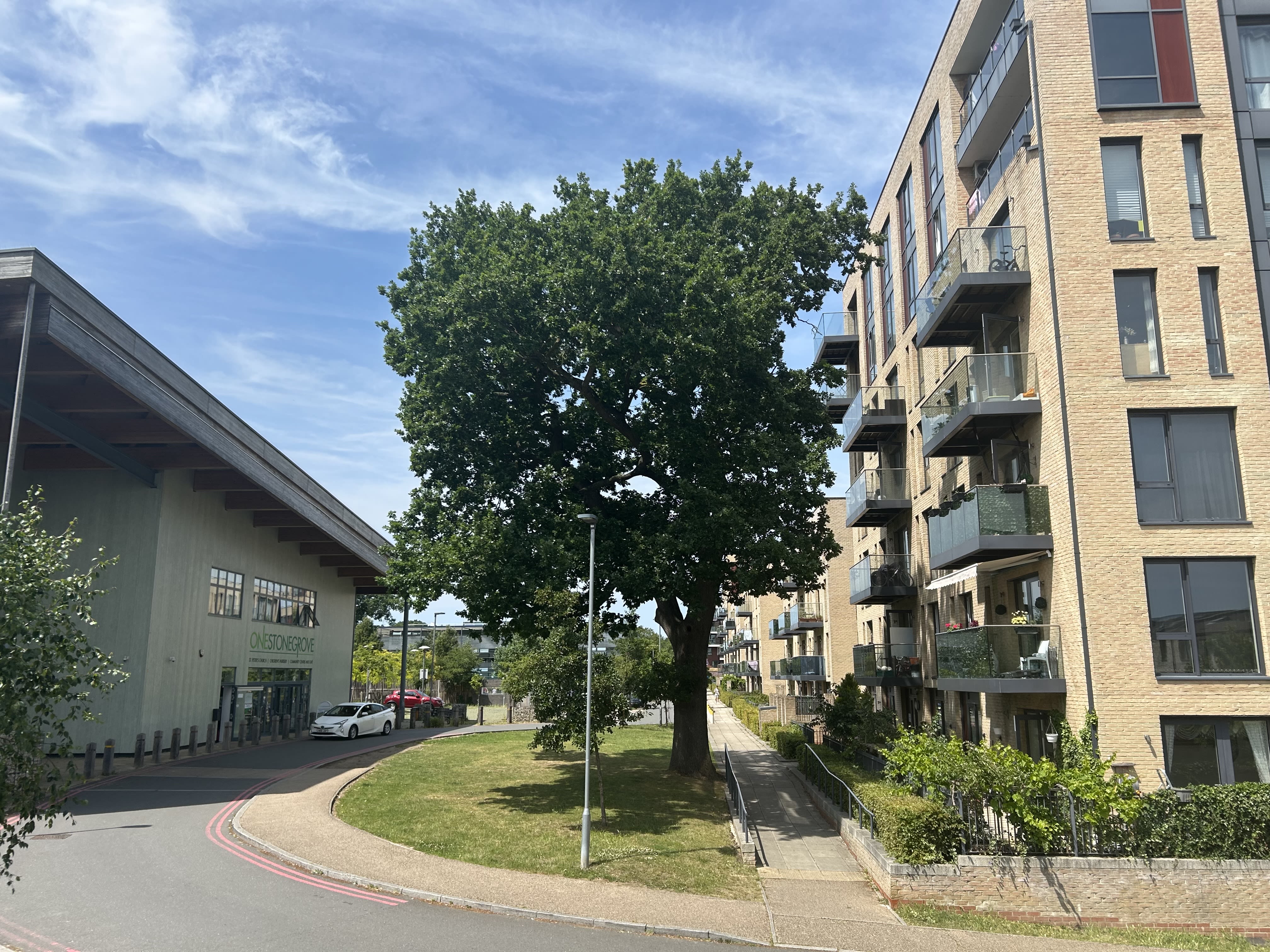
Stonegrove housing estate in Edgware, taken by Megan Norman
Stonegrove housing estate in Edgware, taken by Megan Norman
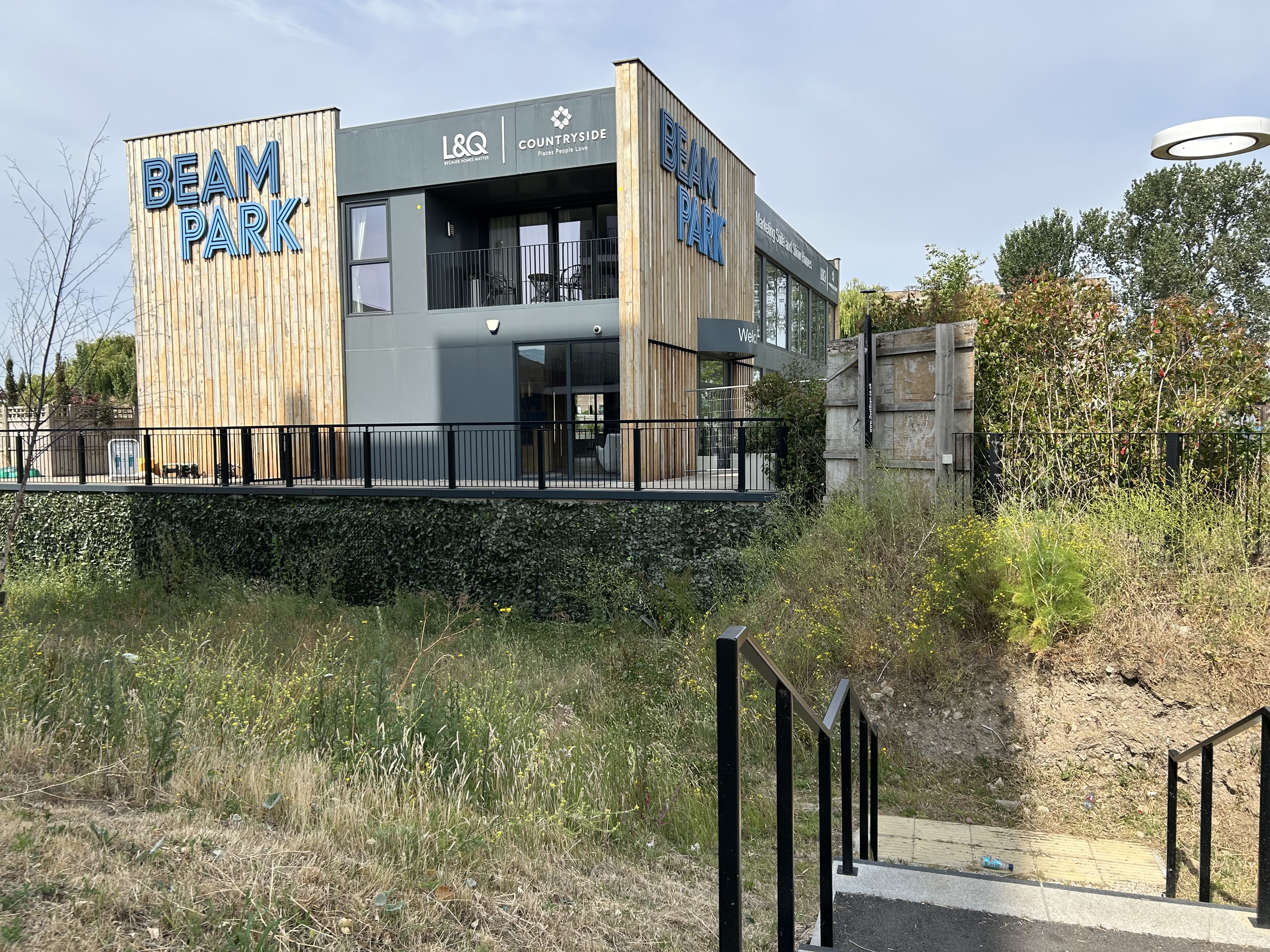
Beam Park in Rainham which was once Green Belt land taken by Megan Norman
Beam Park in Rainham which was once Green Belt land taken by Megan Norman
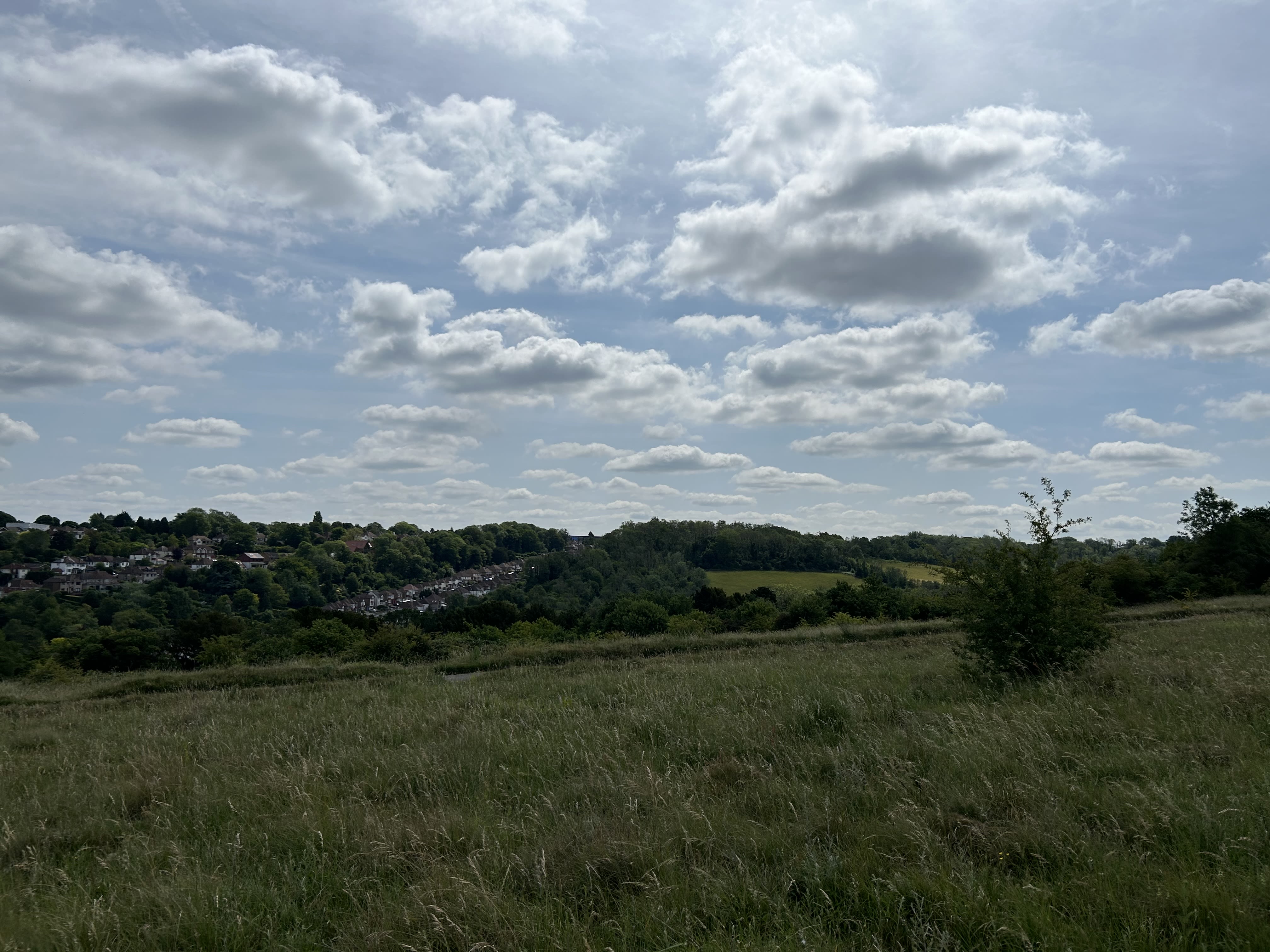
Farthing Downs, Croydon taken by Megan Norman
Farthing Downs, Croydon taken by Megan Norman
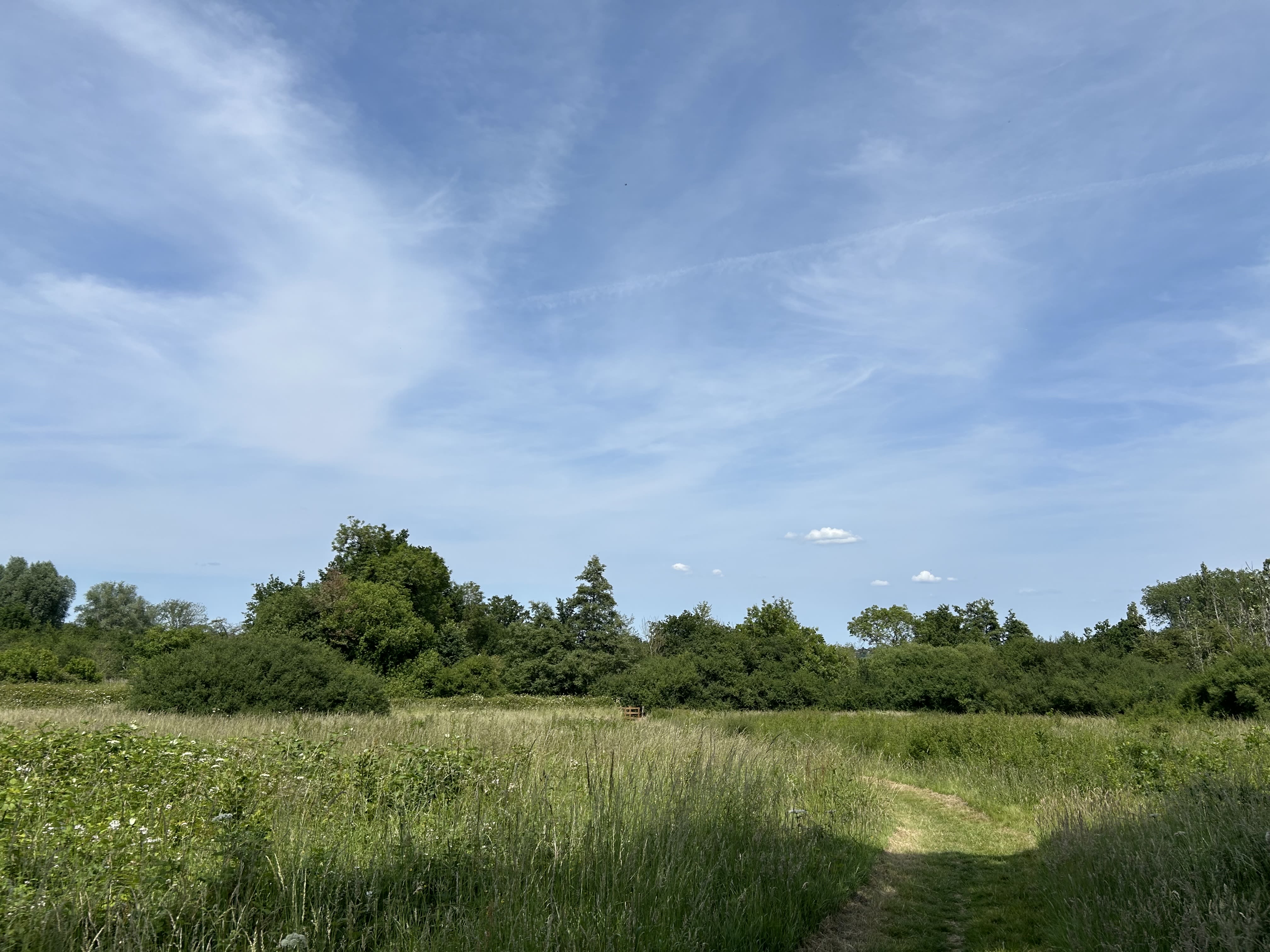
Totteridge Valley in Totteridge & Whetstone taken by Megan Norman
Totteridge Valley in Totteridge & Whetstone taken by Megan Norman
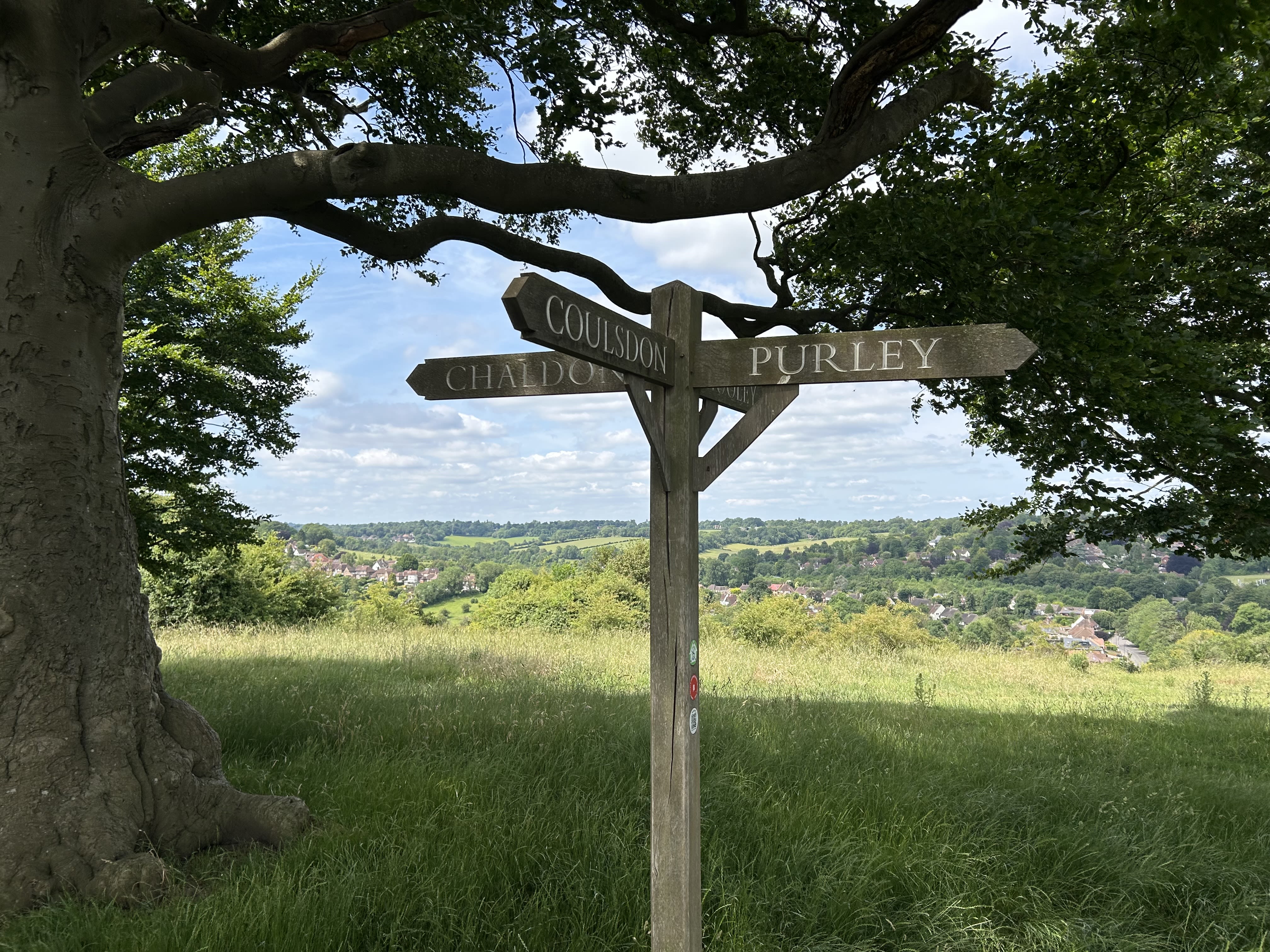
A sign in Farthing Downs, Croydon taken by Megan Norman. Where to next?
A sign in Farthing Downs, Croydon taken by Megan Norman. Where to next?
 Built with Shorthand