
Fast times and clean shorts
How sodium bicarbonate is back without the side-effects


Oscar Frost delves into how the race-day supplement is more digestible and affordable than ever for runners of all abilities
What is bicarb?
“Bicarb is the one supplement where there's a hell of a lot of evidence for it, and there is a lot of significant evidence that demonstrates performance benefits."
Sodium bicarbonate (bicarb) is a supplement taken a couple of hours before a race, working as a lactic buffer by regulating pH levels in the blood.
Essentially, it reduces the amount of lactic acid in your legs while you run, putting off that heavy-legged feeling for as long as possible on race-day.
Despite its performance benefits, though, its impact on the gastric system has stunted its widespread use as a supplement.
For many, the danger of a mid-run trip to the bush outweighed the improvement to muscular endurance performance proven by the Journal of the International Society of Sports Nutrition.
However, this gastric irritation has been significantly reduced by the introduction of gel-based systems by companies like Maurten and Bi(Carr)b.
It may not be the most palatable to eat as a gel, but it still reaps the same benefits, without the toilet trouble.

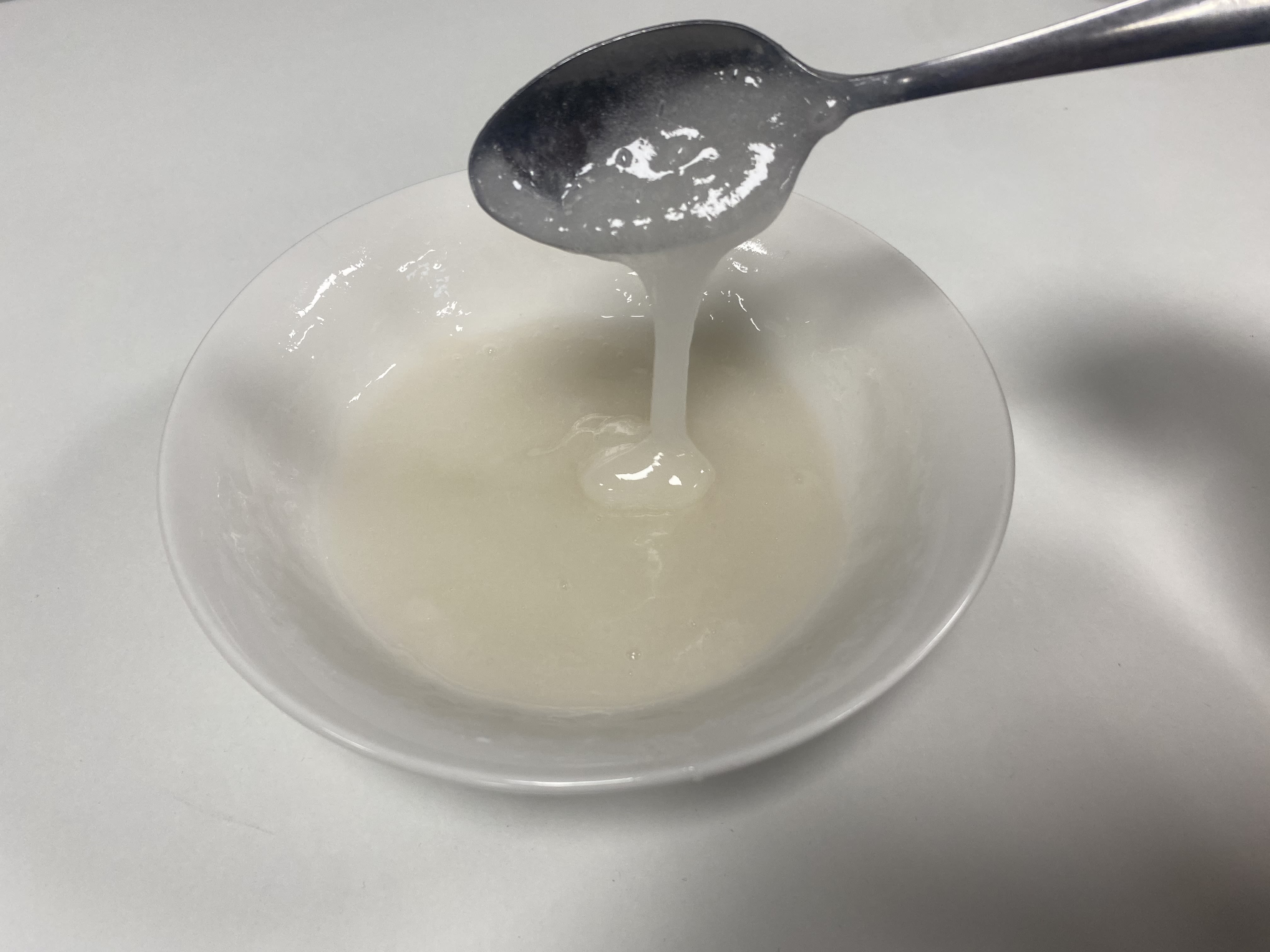
Photo of bicarb gel by Oscar Frost
Photo of bicarb gel by Oscar Frost
The gel system slows the absorption of the supplement into the stomach, reducing the risk of the gastric irritation that causes those mid-run issues.
Jack Gray founded Bi(Carr)b, alongside Josh Elston-Carr, in August 2024 as a competitor to the big supplement businesses.
As bicarb is the only product they currently produce, Jack is an expert on the supplement. He said:
“Bicarb is the one supplement where there's a hell of a lot of evidence for it, and there is a lot of significant evidence that demonstrates performance benefits.
“And we have kind of known that, or the scientific world has known that for a long time, and so have sports people.
“But up until recently, the problem has been, we know we can get, like, 1-3% performance benefit from using this supplement, but nine out of 10 people kind of ended up having, the polite way, is nausea and tummy, you know, kind of gastrointestinal problems.
“The evidence was all there for bicarb, but the innovation is, how do I get this into my system in a more effective way? So the absorption period profile is more consistent, rather than spiky. And most importantly, how can I use this supplement reliably, so that I know when I go into a race or a session or whatever it is, a competition or a match, I can use it?”
Versatility of the product for all abilities
Most research around bicarb has revolved around elite athletes, but who’s to say that average runners can’t also reap the benefits of supplements?
“I think people often kind of disparagingly assume that because somebody's running a 22 minute 5k rather than a 16 minute 5k that it means less to them,” Jack said.
“But actually you'll find that, you know, everyone's goals are individual, and it means just as much to break your PB no matter how fast you are.”
Because of the focus on elite athletes in sports research, it is unlikely that there will be a study done to show the benefits of bicarb for casual runners in the near future.
But, with supplements making their way into the mass market, the anecdotal evidence is starting to emerge with sub-elite runners noticing the difference when taking the supplement.
On their appreciation for sub-elite runners, Jack said: “The motivation of what we're doing is to help as many people as possible, kind of exceed what they thought was their limit, and to help them do that in an affordable way.”
With athletes of all levels spending more time and money on their fitness, bicarb could be a great product for anyone chasing down a personal best.
The price of success
Another issue stopping runners from using bicarb on a regular basis is the price.
Ben Gardiner, an elite 800m runner and member of the Anti-Concrete Track Club, voiced concerns over the pricing of the supplement.
He said: “It’s a last resort option for me, for when I’m right at the top and need to gain those one per cents, then maybe I’ll start taking it.”
“Considering you only get to use it once, it’s just crazy expensive and I can’t really justify 20 quid a race.”
Currently, bicarbonate is £15 per serving on the Maurten website.
Jack echoed these concerns, saying: “There is a bit of an image around bicarb of it being an elite supplement, but I think that's because it's been a price point on the market where, if you're paying kind of £16, £17 a portion, you do have to be pretty serious about it.”
Bi(Carr)b has undercut the market in an attempt to allow more athletes to gain the benefits of the supplement for a lower price.
On this Jack said: “We're not really chasing the bottom line, and I think people really appreciate that, so we'd like to offer some discounts, but we try to keep it really organic and quite friendly.
“We don't want to be seen as, like, a business that's kind of elitist, or, you know, only interested in certain things.
“We just kind of liked people to talk about business organically, and we never push any athletes to say you have to do a post or a story or a whatever about our product, it's kind of like the reason we've given it to them is because kind of just want to help them.”
Conclusion - Should you take it?
There is no doubt that bicarb has been innovated by Maurten and Bi(Carr)b to make it a more attractive and beneficial race-day supplement for runners in a gel-based form.
With the cost for consumers being brought down, you may well see it become more popular than ever in the coming year.
This popularity will span across the spectrums of sporting abilities and disciplines, which could well bring in a huge amount of funding for research about its benefits.
For me, taking bicarb is an attractive option. With the risk of gastric issues and price on the downturn, I believe the positives of taking the supplement when going for that all-important PB now outweigh the reasons to avoid it.
 Built with Shorthand