
Deprivation in Enfield: A Borough in Crisis
Recent government figures on deprivation highlight the exacerbating division of wealth in the London borough.
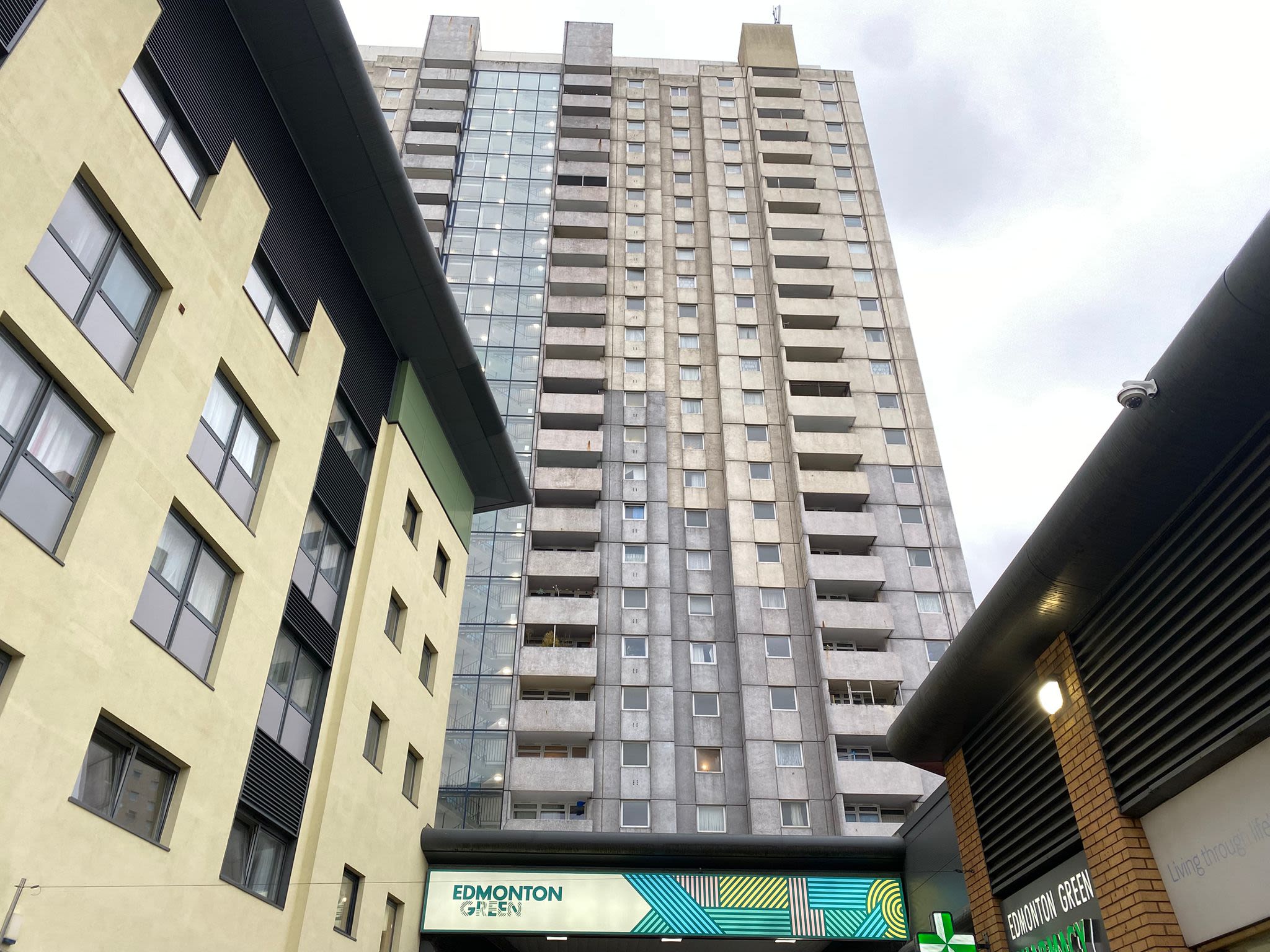

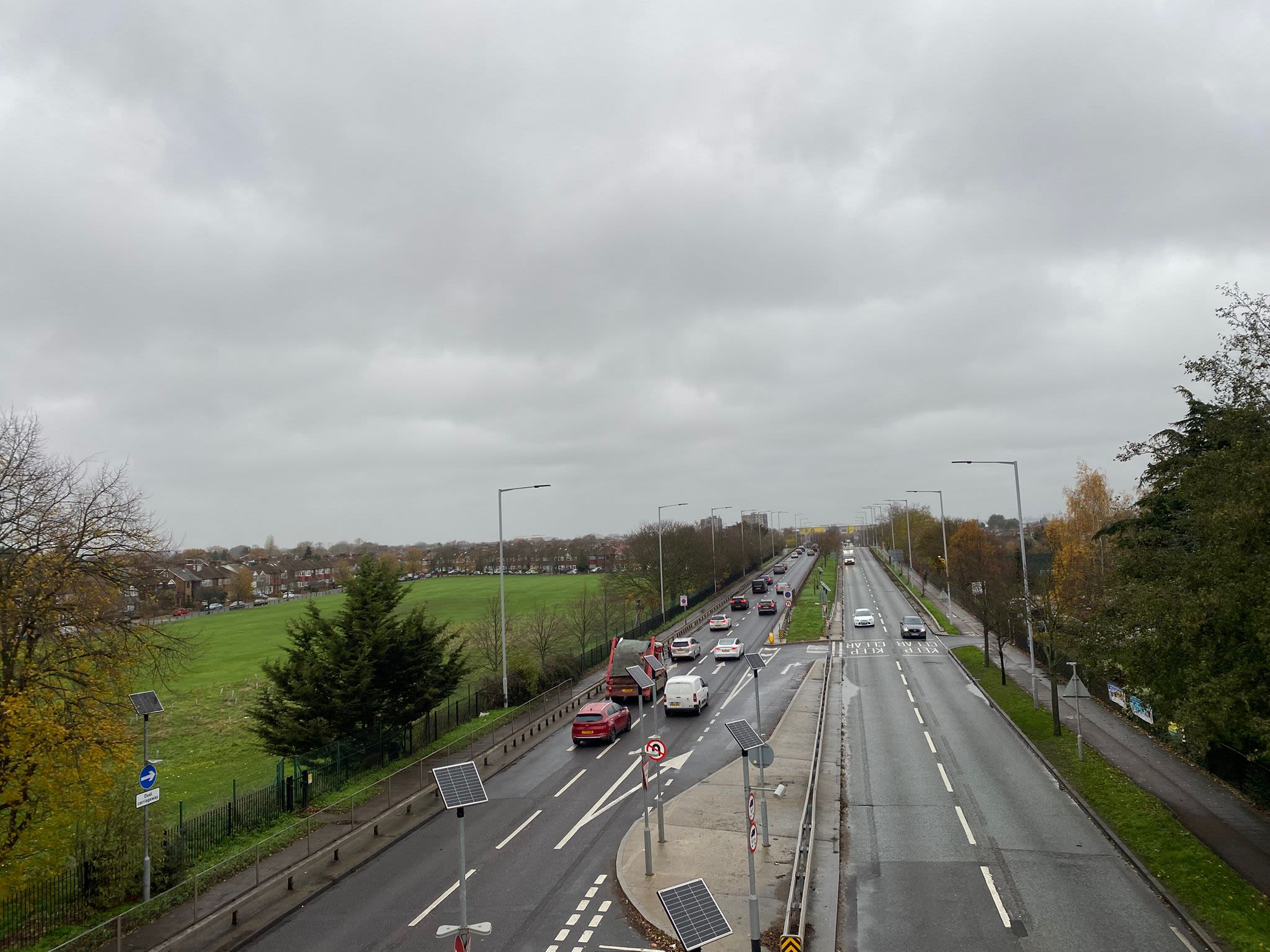
Great Cambridge Road (the A10) slices centrally through the London Borough of Enfield. To the west side of the road, the leafy green, affluent suburbs of Winchmore Hill, Oakwood and Cockfosters. On the east side, Edmonton, Ponders End and Brimsdown- areas that rank in the most deprived 2% of neighbourhoods in the country. These two sides of Enfield have coexisted for decades, but there’s a deepening chasm of inequality pushing them ever further apart.
Figures from the latest Indices of Multiple Deprivation (IMD), released by the Department for Housing, Communities and local Neighbourhoods, rank each neighbourhood in the country on issues related to deprivation. This ranges from unemployment to income, from quality of school to lack of healthy food options.
The report highlights a number of highly alarming issues in Enfield such as high levels of poverty, unemployment and childhood deprivation. In fact, the report ranks Enfield as the 7th highest in the entire country for children living in income deprived households- at 55.5%. 37.7% of the entire population is living in income deprivation, ranking as the 6th highest in the country on this metric. The vast majority of deprivation is concentrated on the east side of Enfield. Historically, there has always been a wealth divide between east and west, but the fault line exposed by the A10 is becoming further entrenched.

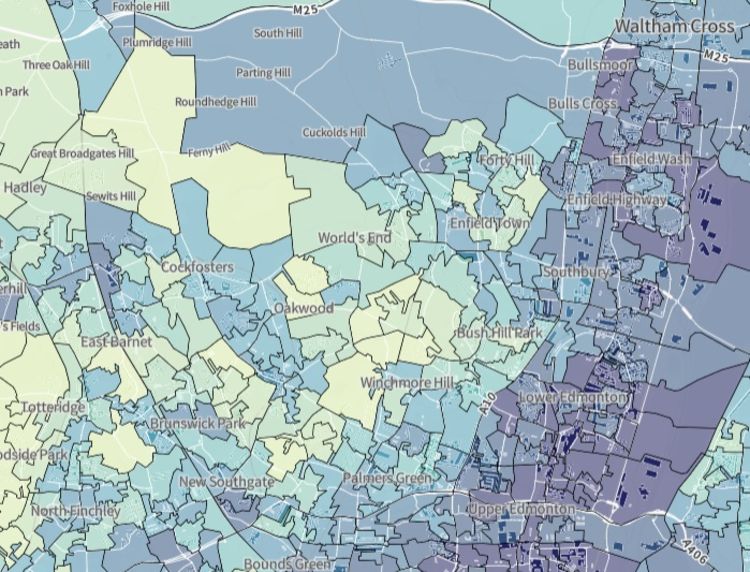
A map, where the darkest blue areas are the most deprived, and the lighter greens are least deprived.


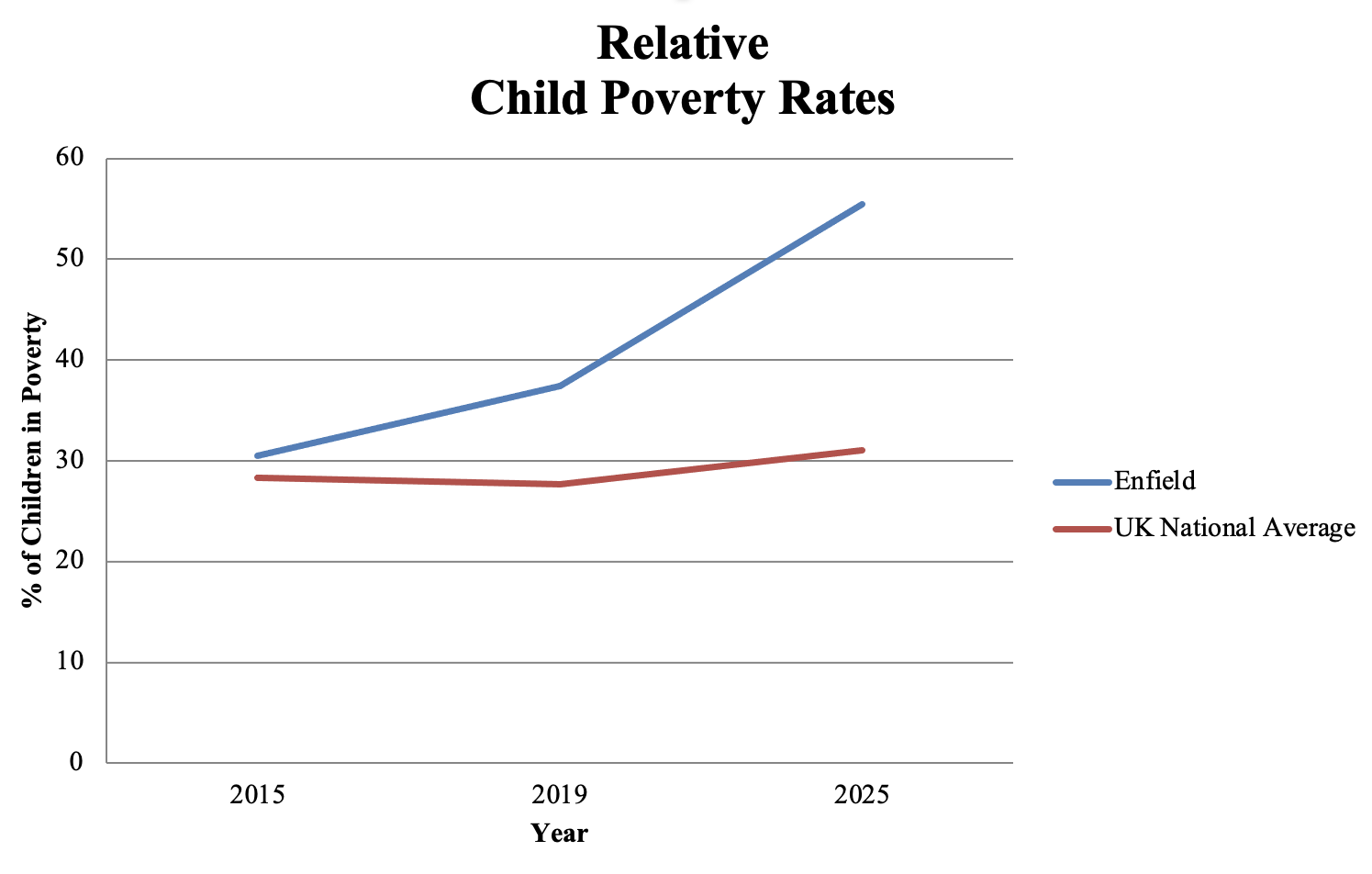
In 2015, Enfield’s number of children in income deprived families sat marginally higher than the national average. Whilst the national numbers have remained somewhat similar, Enfield’s levels of deprived children have skyrocketed. Across many measurements, there is no denying the truth that the majority of people in Enfield have got poorer.
Enfield is a diverse borough, with 50% of its primary school children not having English as their first language. The majority of these people live on the east side of the borough, concentrating the higher percentage of working class families there.

Trevor Blackman has spent two decades at the forefront of local social justice politics, using his cultural and community influence to fight for the rights of ordinary working people. He is the current CEO of Edmonton Community Partnership, an organisation that works with schools and young people to try and improve their livelihoods and the community around them. Trevor said that the east of Enfield has been ‘historically underfunded’ and that linked to deprivation was higher levels of crime, health inequality and housing issues.
Trevor added: “There’s some great people doing some great work, including the council, but there’s a lack of investment. The east side of Enfield needs support.
“There’s fast food restaurants every other shop, it’s ridiculous. There’s gambling shops everywhere. All of these concentrated factors make this area one that is not looked upon right and one that does not offer young people and their families the best opportunities.”

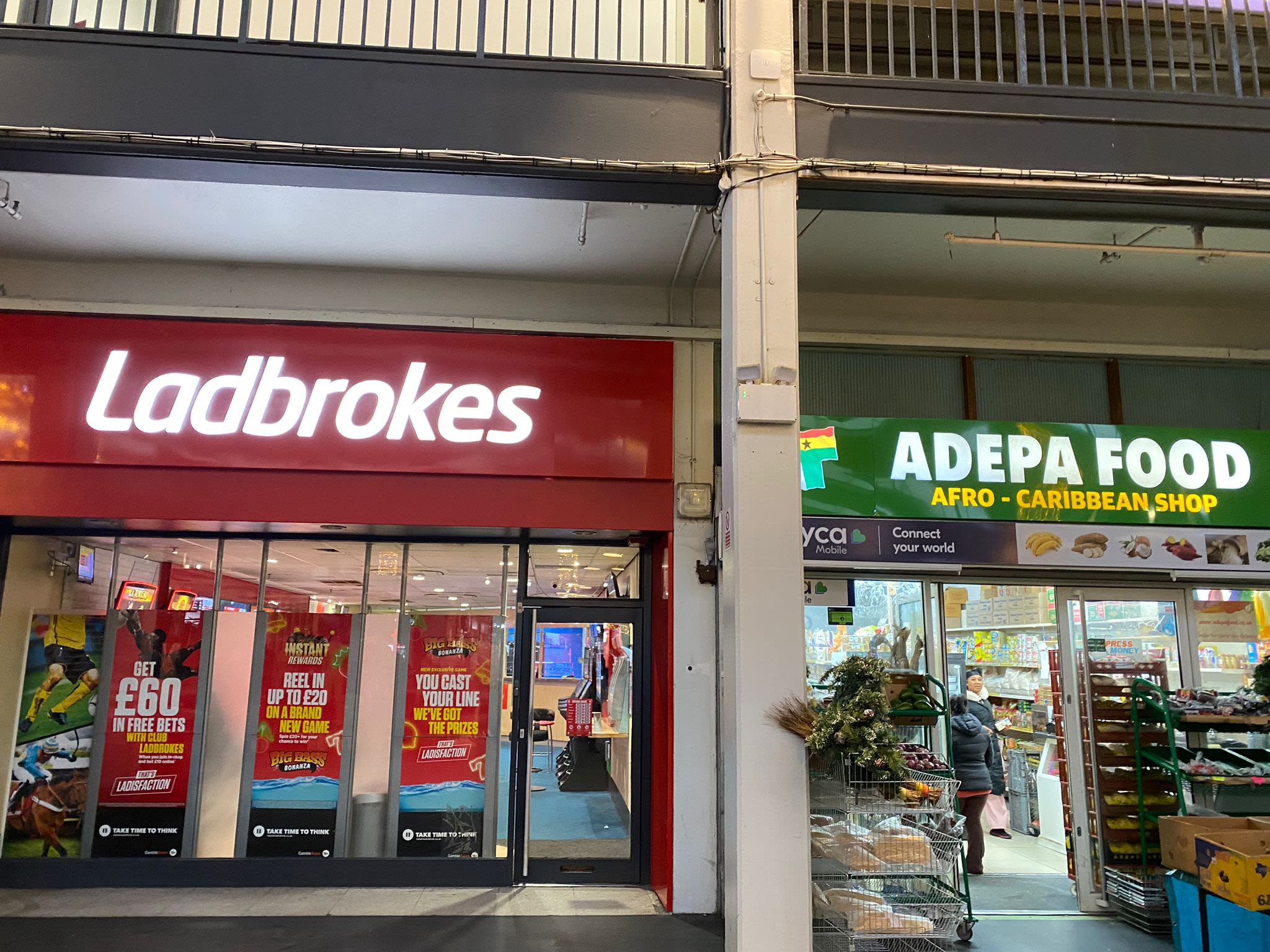
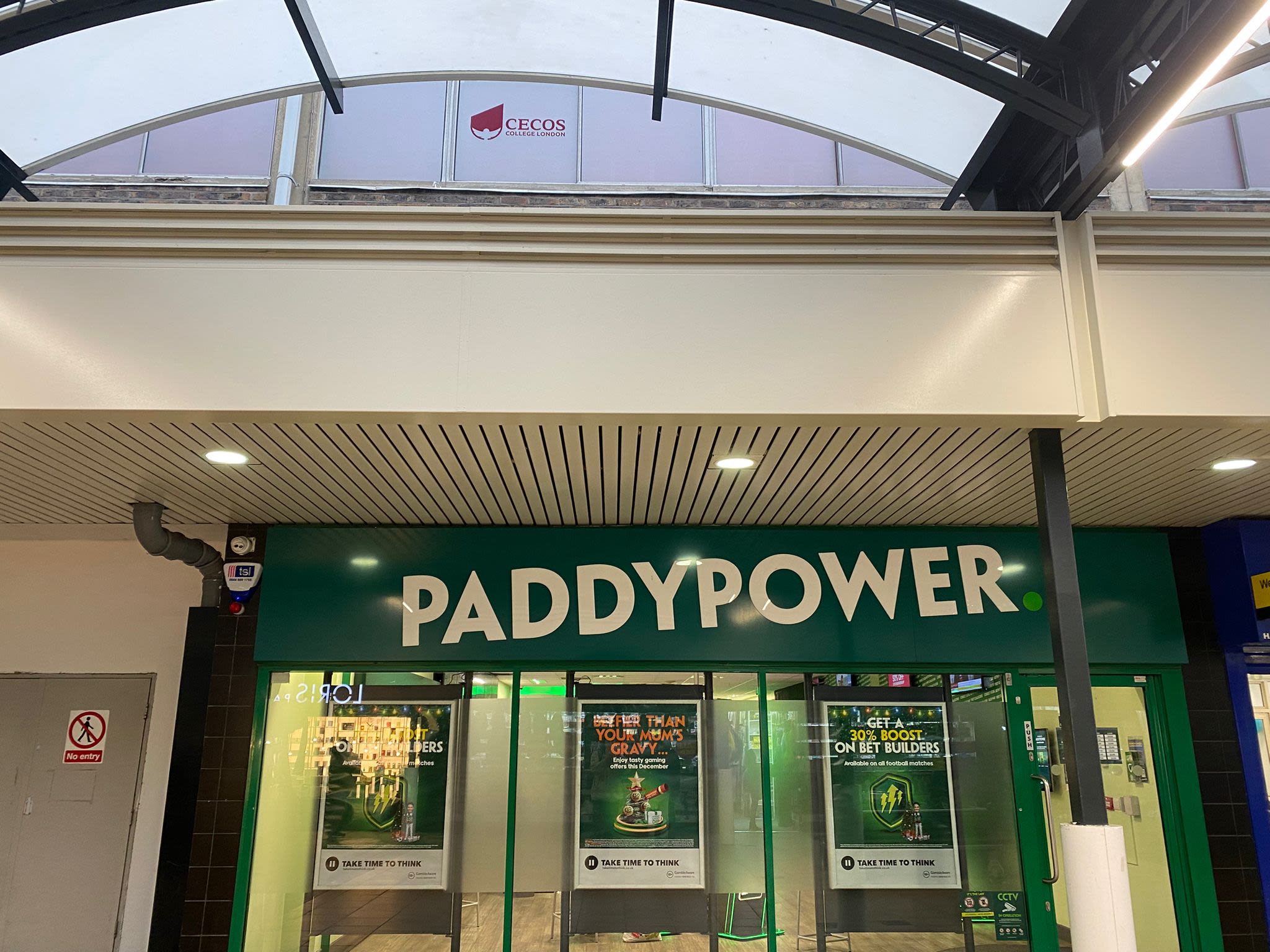
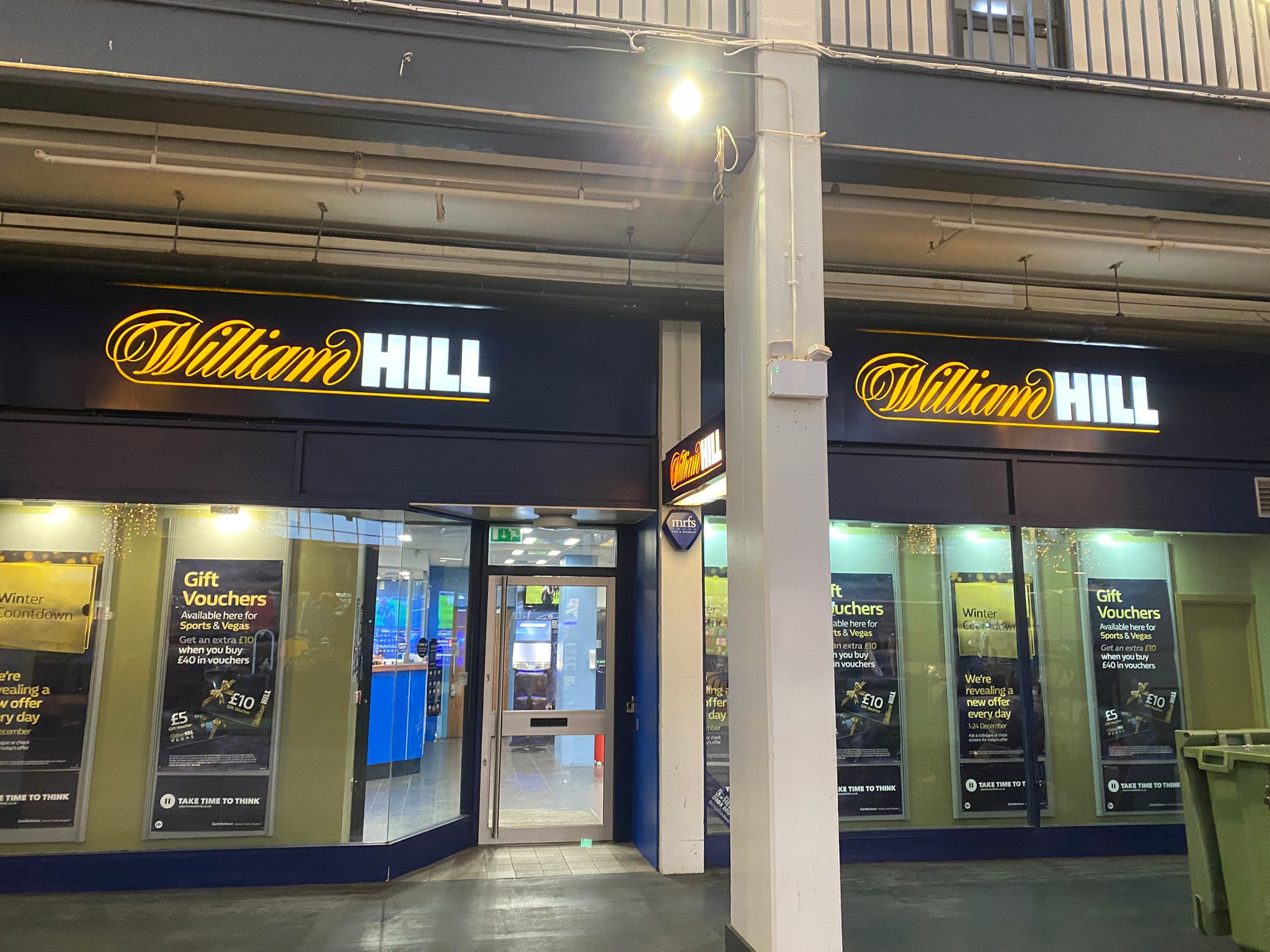
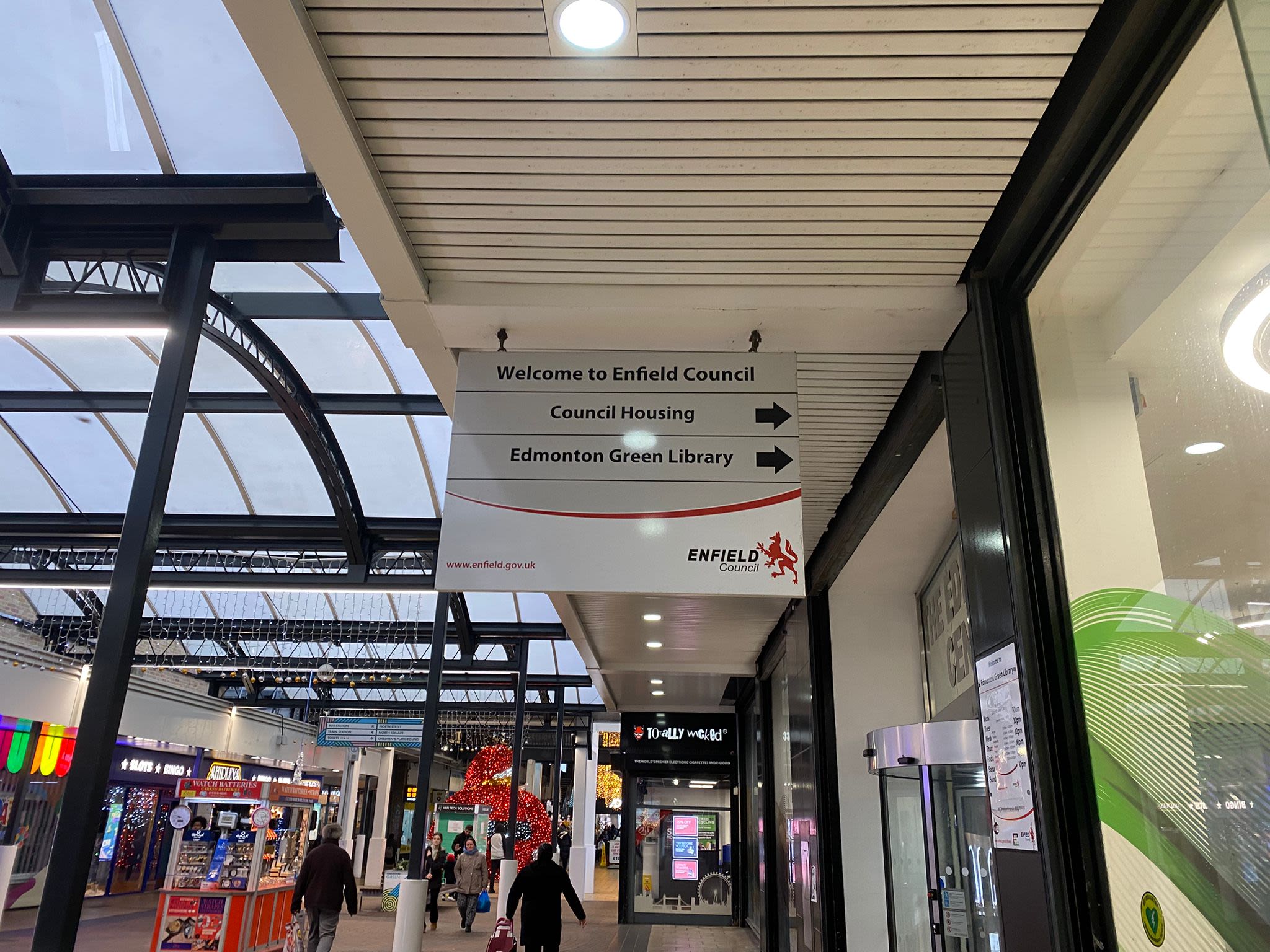
Walking from Winchmore Hill on the west side of the borough across the A10 to Edmonton in the East, the divide is evident. Gated, spacious streets transform into densely populated housing blocks and dilapidated terraces. One of the biggest indicators of the division is the mounds of rubbish and clutter that populate street corners and public spaces in Edmonton, a stark contrast to the litter-free, neatly kept streets from across the way.

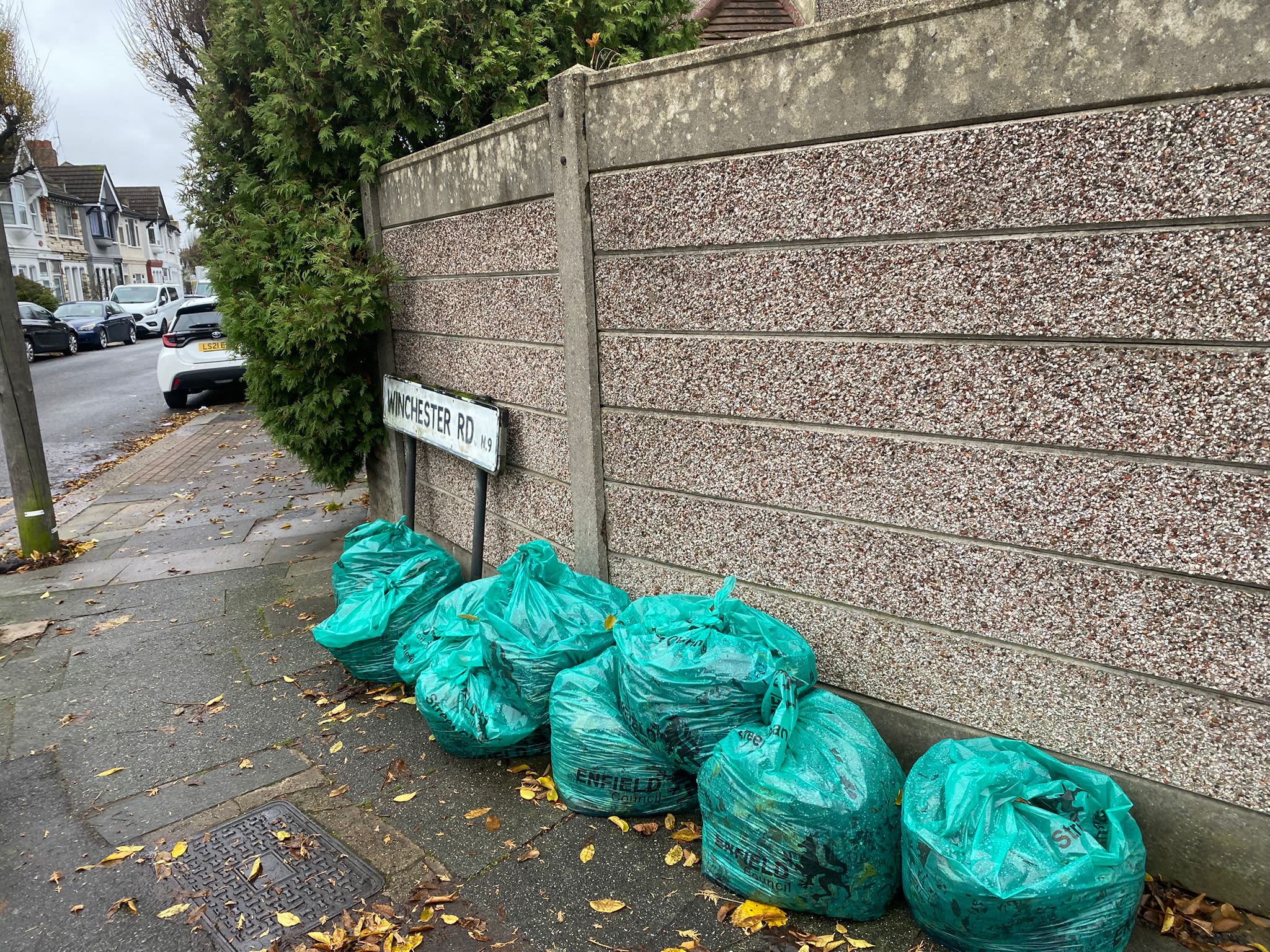


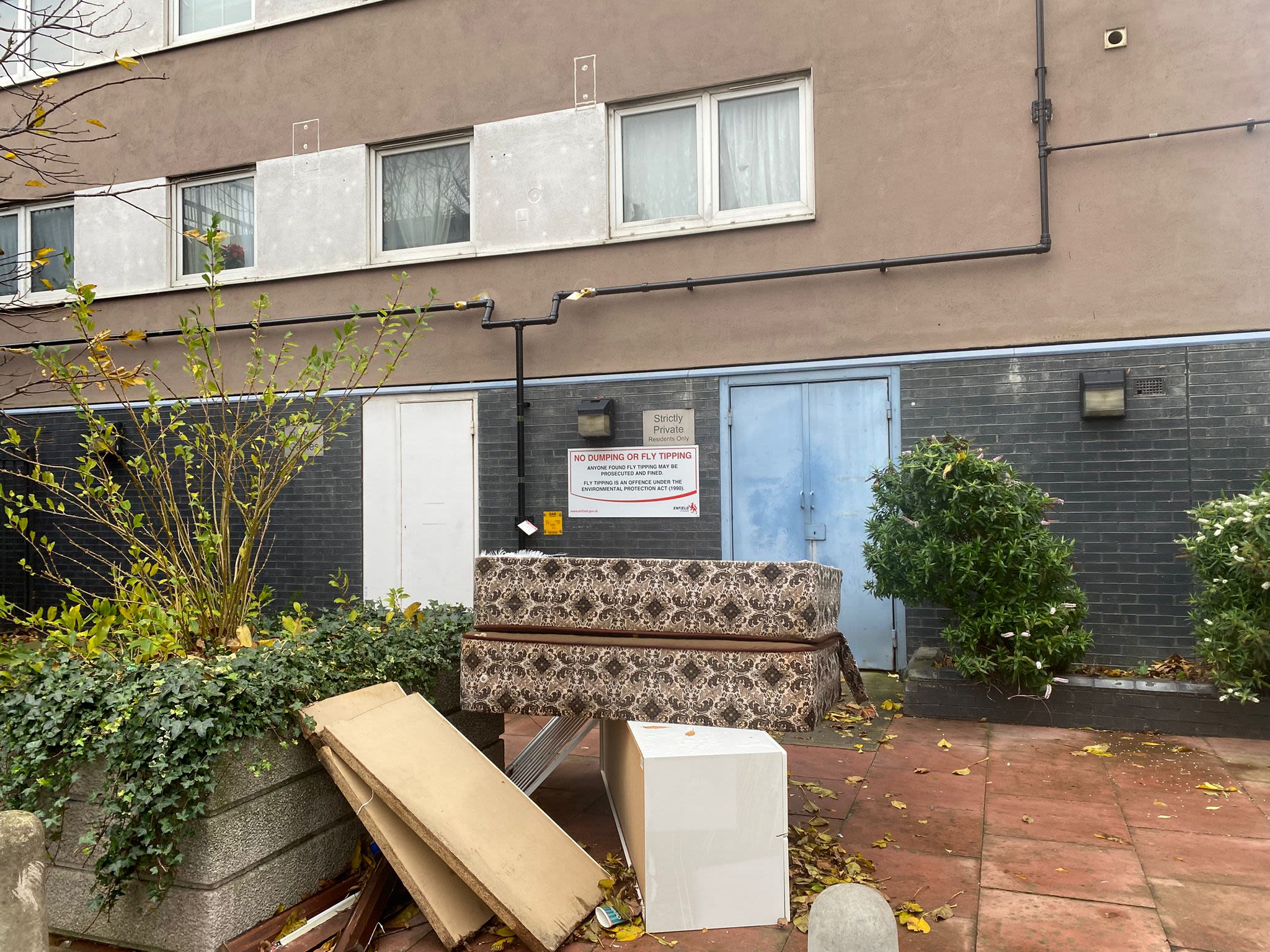
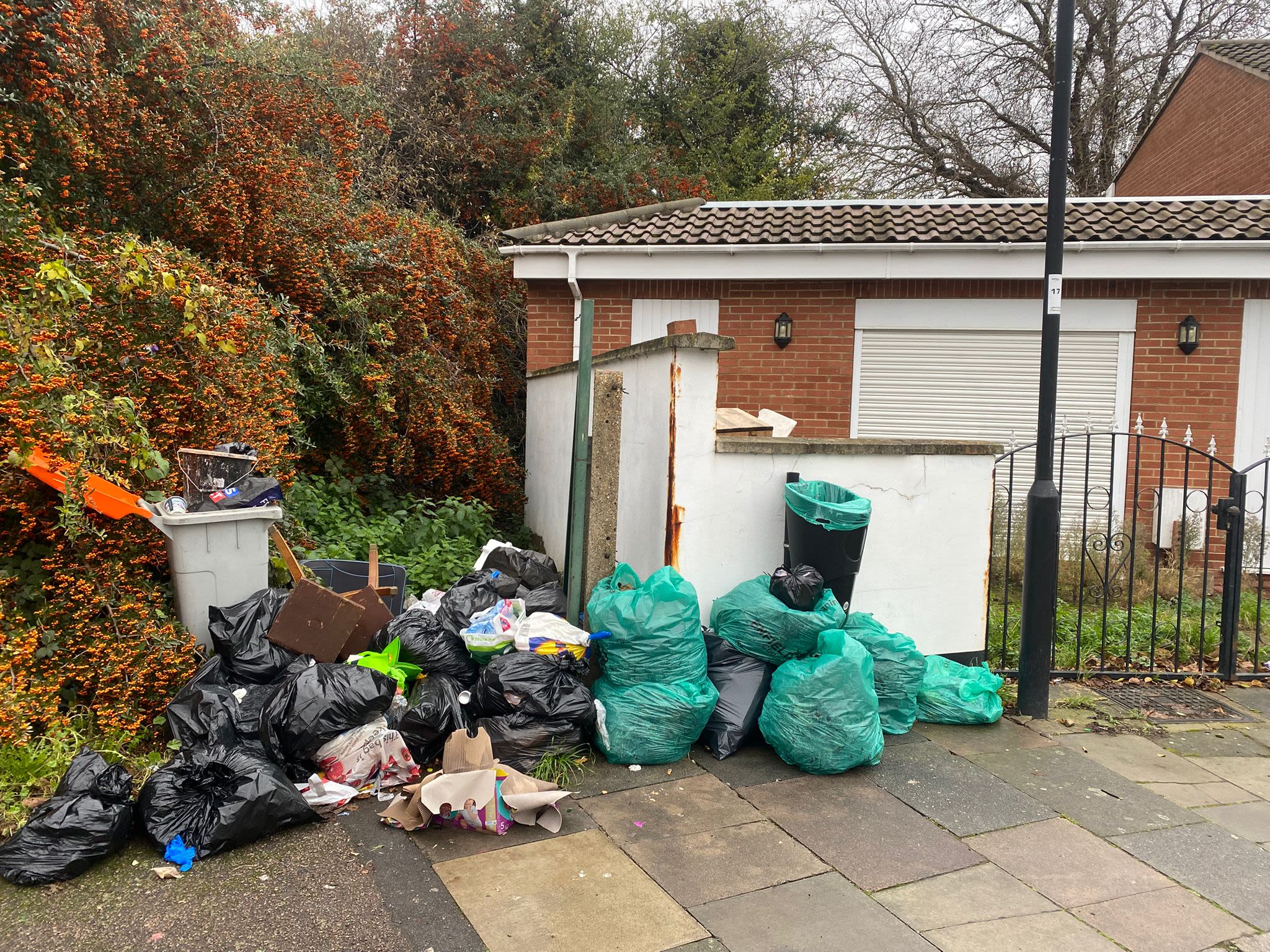
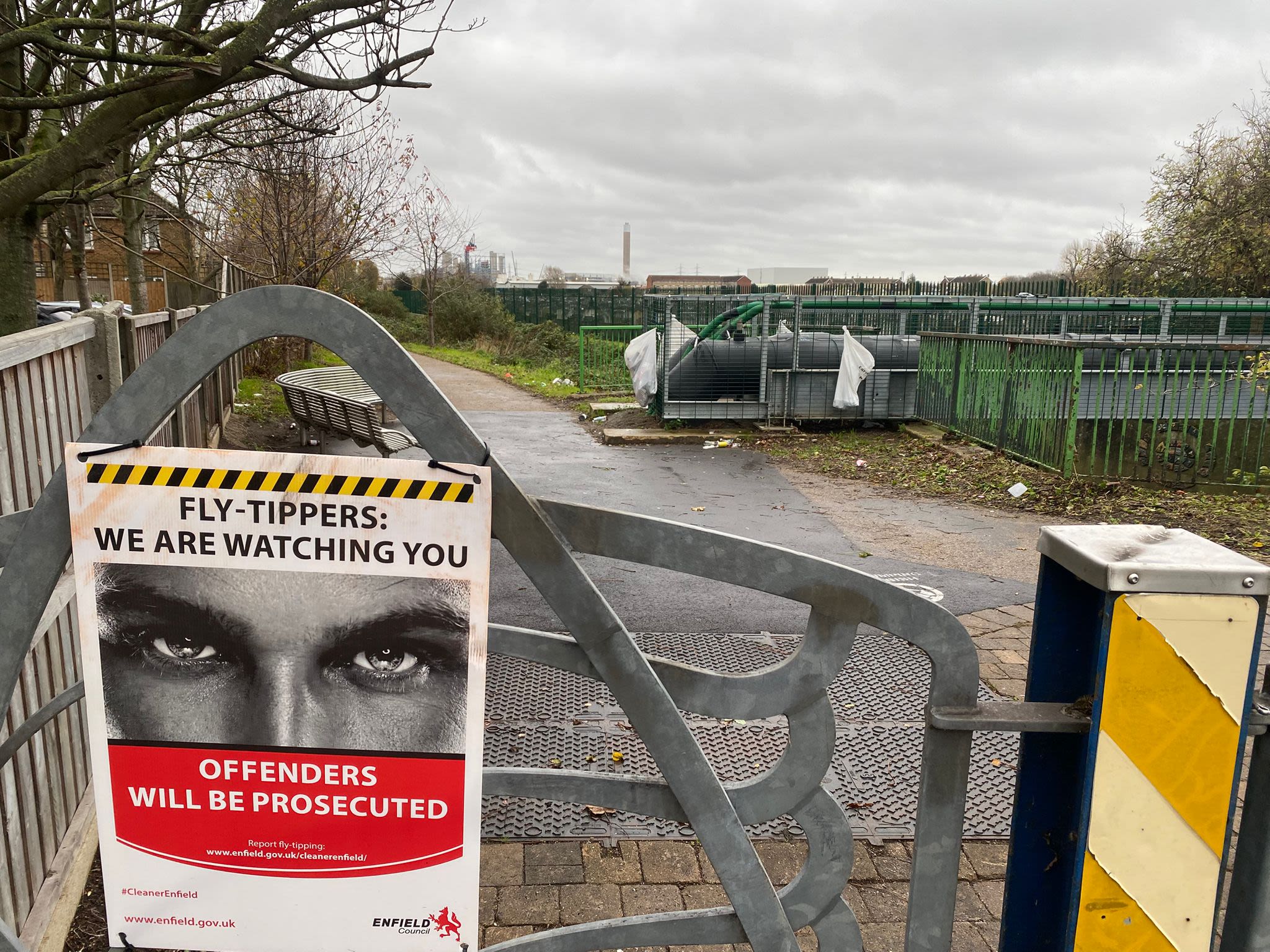
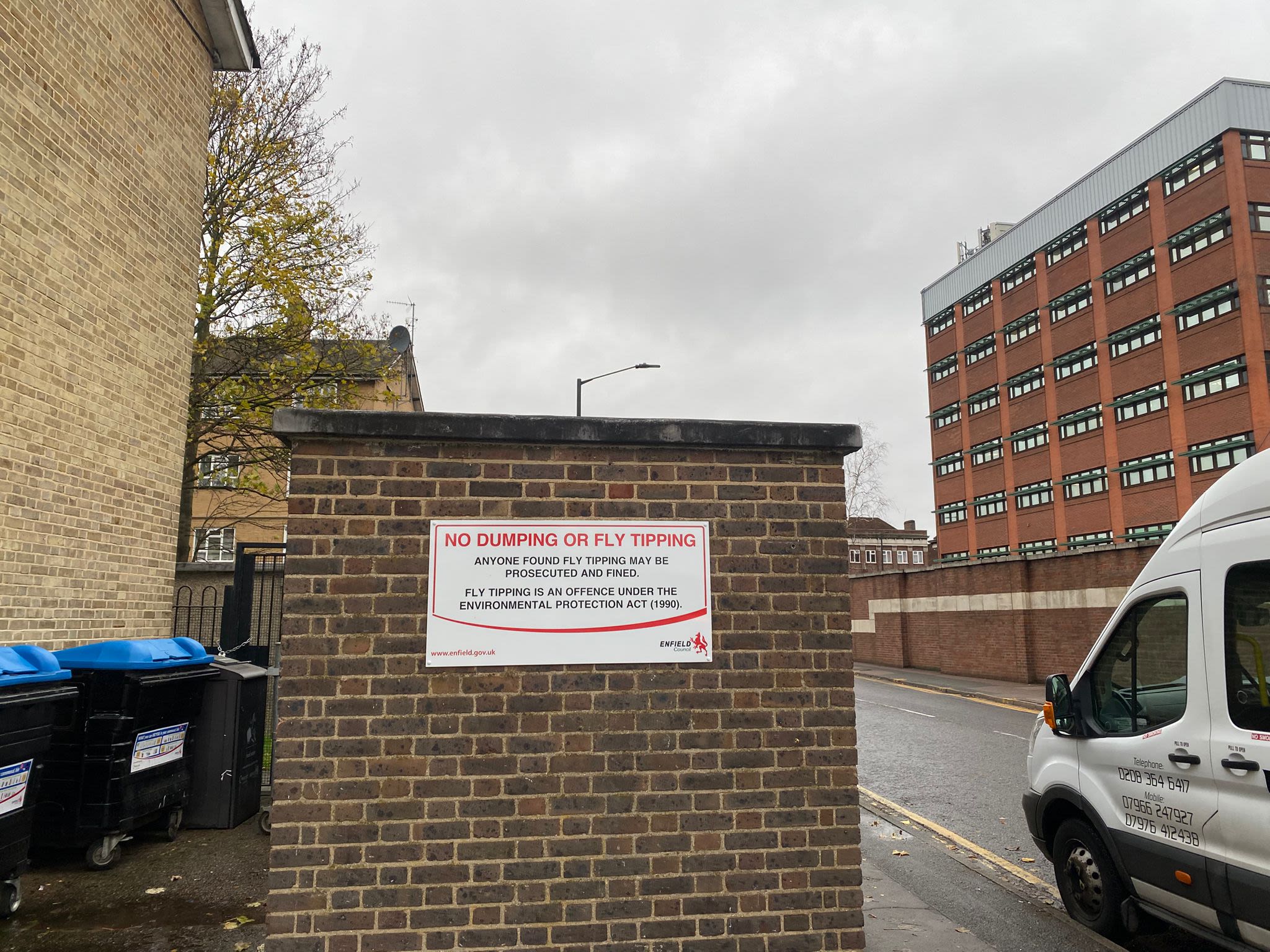
Tackling deprivation has become a priority for the labour-run Enfield Council. After the IMD report's release, the Labour government decided to award Enfield council with £100,000 extra funding to combat the systemic issues of poverty that underpin the recent figures. Council leader Ergin Erbil said:
“We know many of our residents are struggling with the rising cost of living. Too many families are being forced to make tough choices every day, and our council services are here to help them.
“Enfield has been underfunded for many years, and we have repeatedly called for a fairer share of government funding so we can properly support our communities and reduce the inequalities in our borough.”
The funding, whilst able to alleviate the pressures faced by many of Enfield’s residents, will likely be a temporary plug to Enfield’s deprivation problems. The situation in the east of the borough has been a symptom of years of neglect, underfunding and disregard. Significantly increased funding, structural change and care and attention are the cornerstones of improving the situation and preventing this chasm from growing further.

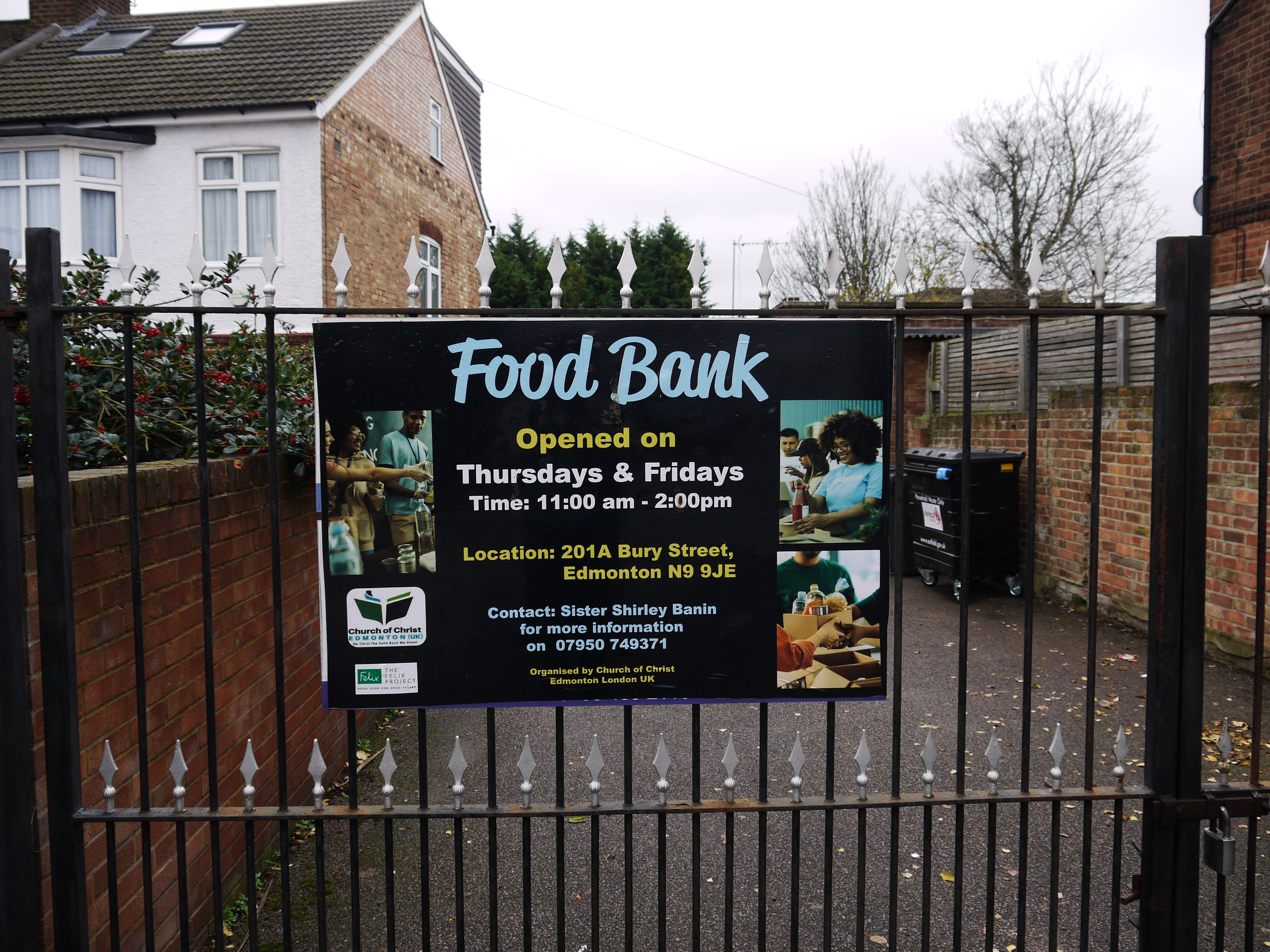
Have your say on how to tackle deprivation in Enfield.


 Built with Shorthand