
Could there be a non-chemical cure for hay fever?


A procedure that ‘awakens hypnosis’ could help cure hay fever, a London hypnotherapist has said.
Hay fever affects ‘up to one in five people at some point in their life’, the NHS has estimated.
Many sufferers use over-the-counter medication to help, but one expert says that there are other ways of treating it.
Brian Jacobs from Hypnotic Solutions explained the science behind hay fever, the allergic response and how neurolinguistic programming can help.
He said: ‘If you are getting an allergic reaction to a substance then your brain is treating that substance as if it were harmful to you.
‘Pollen and dust and other similar substances are not dangerous, but your immune system is reacting as if they are dangerous by causing an allergic reaction.’
He said the allergic reaction is similar to the flight or fight response produced when somebody has a phobic response to something.
The NHS said people who experience hay fever symptoms have an allergic reaction to pollen.
There are a few different kinds of pollen which cause an allergic reaction: tree pollen, grass pollen and weed pollen.
The over-the-counter medication market for hay fever suffers is growing every year.
A packet of 24 allergy-relief capsules from a leading brand bought from a pharmacy will set you will set you back around £10 for 24 capsules: you can take three tablets in 24 hours so this could theoretically last you eight days.
If you are taking this across spring and summer, this could add up to a hefty bill.
This type of medication works by using acrivastine, an antihistamine, to fight the symptoms of hay fever.
These medications work by treating the symptoms of hay fever, but do not address the cause, the body’s increase in histamine in response to pollen.
There is a procedure, similar to hypnosis, that uses the principles of neurolinguistic programming (NLP) to help reframe the person’s response to pollen, which could cure your hay fever in one session.
The procedure itself was created by Robert Dilts, Jacobs said, and uses imagery techniques to retrain your subconscious mind.
Jacobs said: ‘You could say it’s awaking hypnosis procedure although it can be done with the eyes closed.’
Jacobs added that usually when he gives NLP procedures he does them in hypnosis.
He said the procedure involves the patient imagining themselves reacting to a substance similar to the allergen and responding in a perfect way.
He gave the example of a person with an allergy to tree pollen, the person ‘could imagine encountering some grass pollen’ because they feel safe with that pollen, and, using imagery techniques, collapse the ‘anchor’.
The anchor in this case is the brain’s association of pollen with a threat.
Jacobs gave the analogy of a conditioned response to a red light while driving. He said when you see a red light you don’t think ‘I have seen a red light’ your body has developed the automatic response of braking.
The brain has made an association between stimulant (the red light here) and the action (braking), he said.
Jacobs explained that when someone with hay fever encounters the smell of pollen they trigger a similar response.

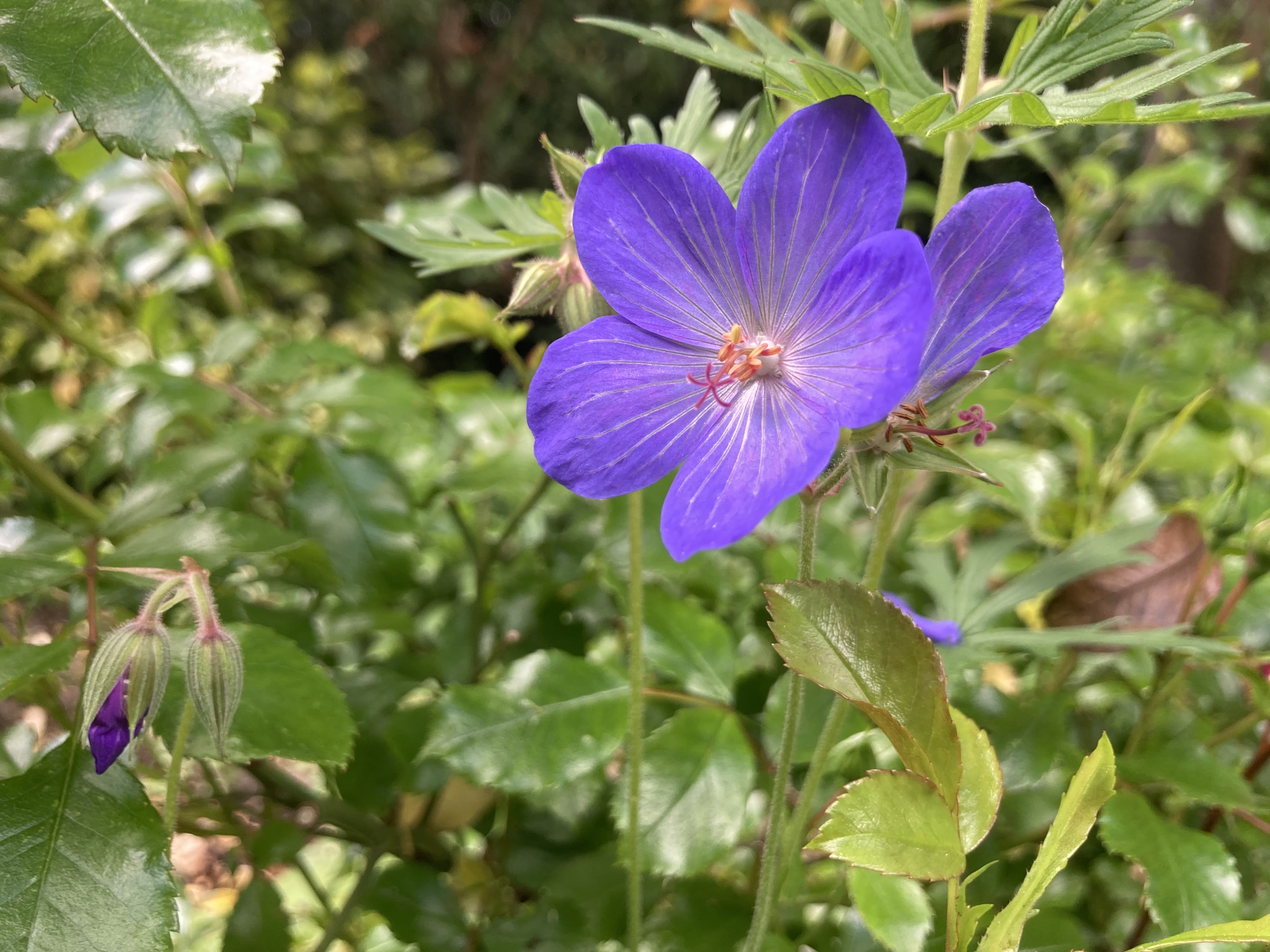
NLP treatment works to ‘collapse’ the association of pollen with physical hay fever symptoms.
Jacobs said the process employs visualisation. This is where the person imagines two selves divided by a screen; one that does not have an allergic response and one that does.
They visualise slowly introducing a substance similar to pollen that they do not react to and not experiencing an allergic reaction. Once this is done, they visualise the two selves combining.
Jacobs said: ‘The crucial element is finding that suitable counter example of something that they feel safe with that has got similar properties to the pollen.
He said: ‘If they have got a problem with all pollen, it’s a question of what would there be in the atmosphere that they don’t have a problem with.’
This could be dust, fur or anything in the atmosphere that the person does not have an allergic response to.
The NLP procedure is about teaching the subconscious mind that the pollen is not harmful or a threat.
You don’t need to have any interaction with the stimulant during the treatment for the procedure to be effective, Jacobs said.
He added that you could have one session of NLP where you do not encounter any pollen and have your hay fever cured for life.
This procedure has changed the lives of many people according to reviews on various websites of people offering NLP.
Julia Sondack, is just one of the many people who have benefitted from a practitioner called Jacqui Taylor’s use of the technique to cure hay fever.
Sondack said: ‘As far as I can see what Taylor actually did was reprogramme me. I no longer am a hay fever sufferer and no longer have a fear of taking a deep breath of fresh air full of summer fragrances.’
She added that she had been a hay fever sufferer since childhood and that pharmaceutical products made her ‘drowsy’ and interfered with her quality of life.
NLP treatments are usually around the £200-300 mark for a single session, but this is usually all you need.
Although this seems like a hefty price, some places offer a lifetime guarantee.
The success of the treatment does not depend on what time of year the NLP is administrated, you could have the treatment in the middle of winter and still see the same effects.
Jacobs said the procedure ‘teaches the subconscious mind that the pollen is not harmful, it is not going to kill them, it’s not a threat.’

Photo credit: Olivia Surguy
Photo credit: Olivia Surguy
 Built with Shorthand