
Childcare Crisis: How Staffing Shortages and Funding Cuts Are Affecting Nurseries and Childhood Development
Nurseries are struggling to meet demand as staffing shortages and funding cuts leave many unable to offer full services, impacting child development.


Nurseries across London are being forced to turn children away because they don’t have enough staff. A recent survey by the National Day Nurseries Association, which received responses from 714 early years providers, found that seven in ten early years settings in England are operating below capacity due to unfilled staff roles, with most reporting an average of more than four vacancies per nursery.
Claudia Reed, who is the manager of The Eye Nursery in Ruislip, London, has said that staffing shortages have been a big issue at her nursery and have impacted how it is run, including in the day-to-day running of the nursery and the amount of children they can take in during the day.
She said: “Lots of people work with us only in the morning, so at the minute we're very top-heavy, and then from about one o'clock we go down to a lot more reduced amount of staff.
We have had to also put some flexibility into the sessions that we offer children, so that we can kind of lock kids in when we know that we'll have a couple of staff in.
So we can have lots of children in the morning, or you can't have as many children in the afternoon, so we have had to kind of make that even flexible, just to kind of suit the needs of the nursery and suit the staffing that we have.”
The Department for Education announced in April a new plan to expand the number of nurseries in the UK with up to 6,000 new places available by the end of this September while providing 30 free hours of childcare for parents. The news came after the government had previously launched a campaign directly aimed at hiring staff.
In a statement made by the NDNA, Purnima Tanuku, NDNA’s executive chair, criticised the government, saying that creating new nurseries would generate the amount of places for children as effectively as focusing on staff shortages would.
Claudia said she also disagreed with the government’s decision to place the opening of new nurseries over hiring new staff.
She said: “I so think the government has given a little bit of a sticking plaster where it looks like it could be a good thing, but because of the rate that the nurseries charge, it means that nurseries are operating at loss, so we have even less ways to keep staff incentivized.”
“I don’t know how they are going to staff it.
“The here and now is lots of nurseries currently existing and not able to hire the staff that they need and retain the staff that they need.”
The staff shortages don’t just impact the nurseries and their staff, but also risk impacting early child development.



Shaddhai Tembo, a Senior Lecturer in Early Childhood Studies at Bath Spa University, researches and teaches about development in early years education.
He said: “Many people don't realise that working in a nursery involves far more than direct care. It includes emotional support, communication, observation, and advocacy.
When staff are stretched thin, children miss out on the attuned, responsive interactions that nurture things such as language development, emotional regulation, and a strong sense of identity.”
When staff are stretched thin, children miss out on the attuned, responsive interactions that nurture things such as language development, emotional regulation, and a strong sense of identity.”

Photo by Megan Watson on Unsplash
Photo by Megan Watson on Unsplash
Claudia said that staff shortages and funding issues cause a high turnover in the nursery sector.
Claudia also mentioned the issues surrounding the bond between children and staff, and how this can be affected if staff leave for better pay at different nurseries. She said that, from her experience, nurseries in general work largely to ensure the children are unaffected by staff changes, although it can become a problem for some children.
She said: “We do have a lot of neurodivergent children where that would be very difficult if they were to lose their main carer that they have in the setting. Because for neurodivergent children it is a little bit more difficult to create, to kind of press them into making a new bond with a new person if they do have that secure bond with their key worker.”
Other nurseries have reported they have been struggling to stay open due to rising staff costs and underfunding. Ladywell Pre-school in Lewisham, a nursery run as part of the Early Years Alliance organisation, reported to ITV that they had been facing staffing issues and rising staffing costs. While it is still unknown whether the nursery will remain open, a petition has been set up to help keep the nursery open, and has received over 300 signatures so far by members of the community.
Ladywell Pre-school did not respond for comment about their staffing situation.

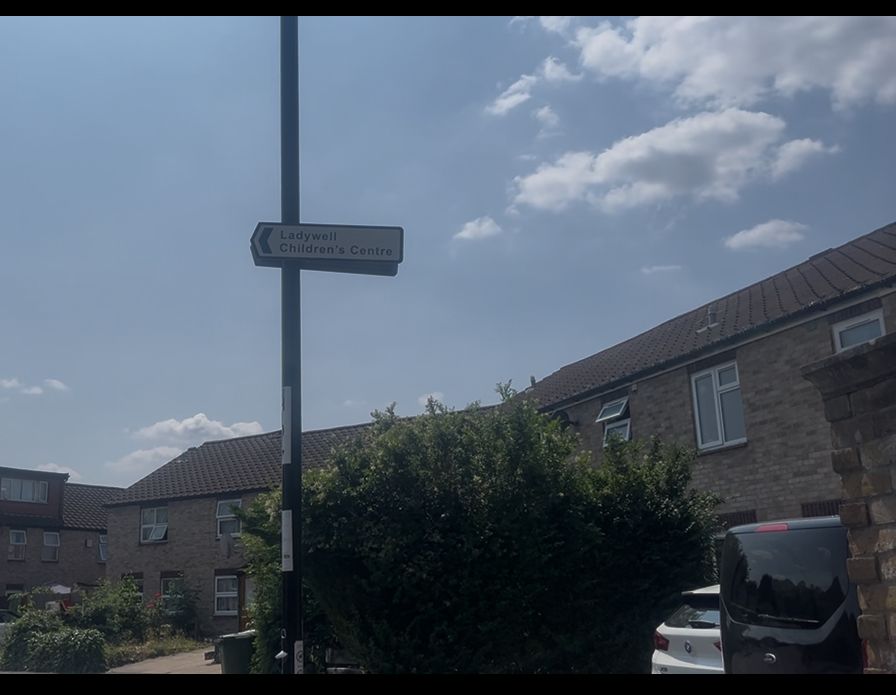
Shaddai believes that some core ideas should be introduced to tackle the staffing shortage in the UK. He said the career pathway needs to be strengthened, allowing for degree-level training and making sure the career is stable and sufficiently funded.
He added that staff need to be paid a wage that reflects their skills and what is expected of early years professionals. Claudia also reiterated this sentiment.
She said: “ I do think that that’s also why lots of people are shying away from wanting to work in early years because it is a very stressful job, it’s a very big responsibility.
We were not able to give lots of the staff members bonuses at Christmas, you know, just small thank yous.
I want to give to them because it's, you know, they're the ones doing, they're the ones on the front line basically. They're the ones doing all the hard work.”
 Built with Shorthand