
True Events, Sacred Symbols: The Ethics of Horror films
Story: Nolan Nozil

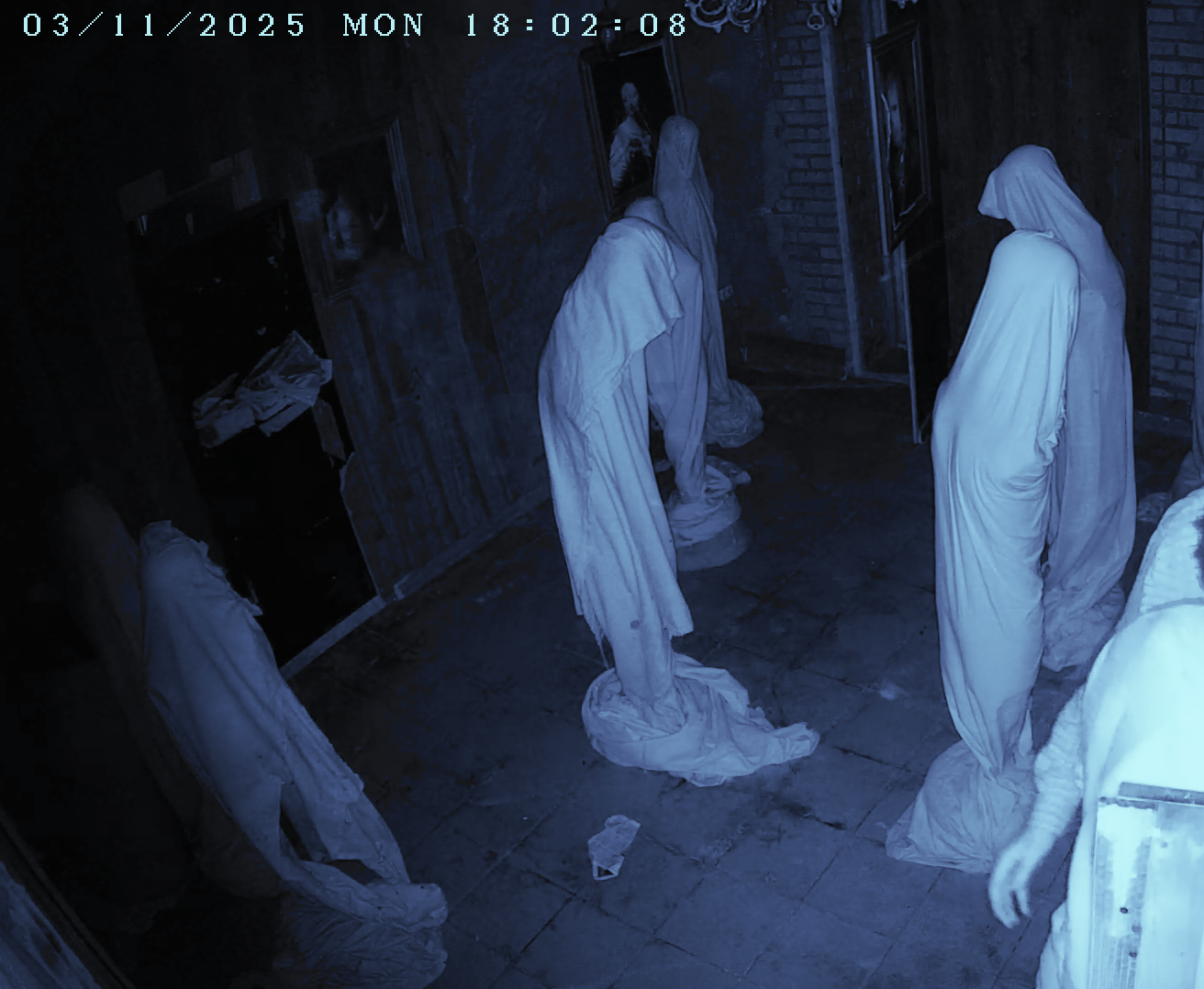
Horror films and tv shows aren’t just popular right now, it’s thriving. And more than ever, audiences are drawn to films that claim to be “based on a true story.” These stories feel closer, scarier, and more personal because they suggest the terror didn’t start on a movie set… it started in real life. But this trend raises a difficult question: are filmmakers capturing truth, or exploiting real tragedies for profit?
We’re fascinated by horror with a stamp of authenticity, yet behind every “true story” movie is a real event, real trauma, or real people whose experiences get reshaped into entertainment.
At the same time, horror often leans heavily on religion, especially Christianity, using exorcisms, demons, and sacred symbols as tools for fear. This makes us ask whether religion is being represented thoughtfully, or simply used for shock value.

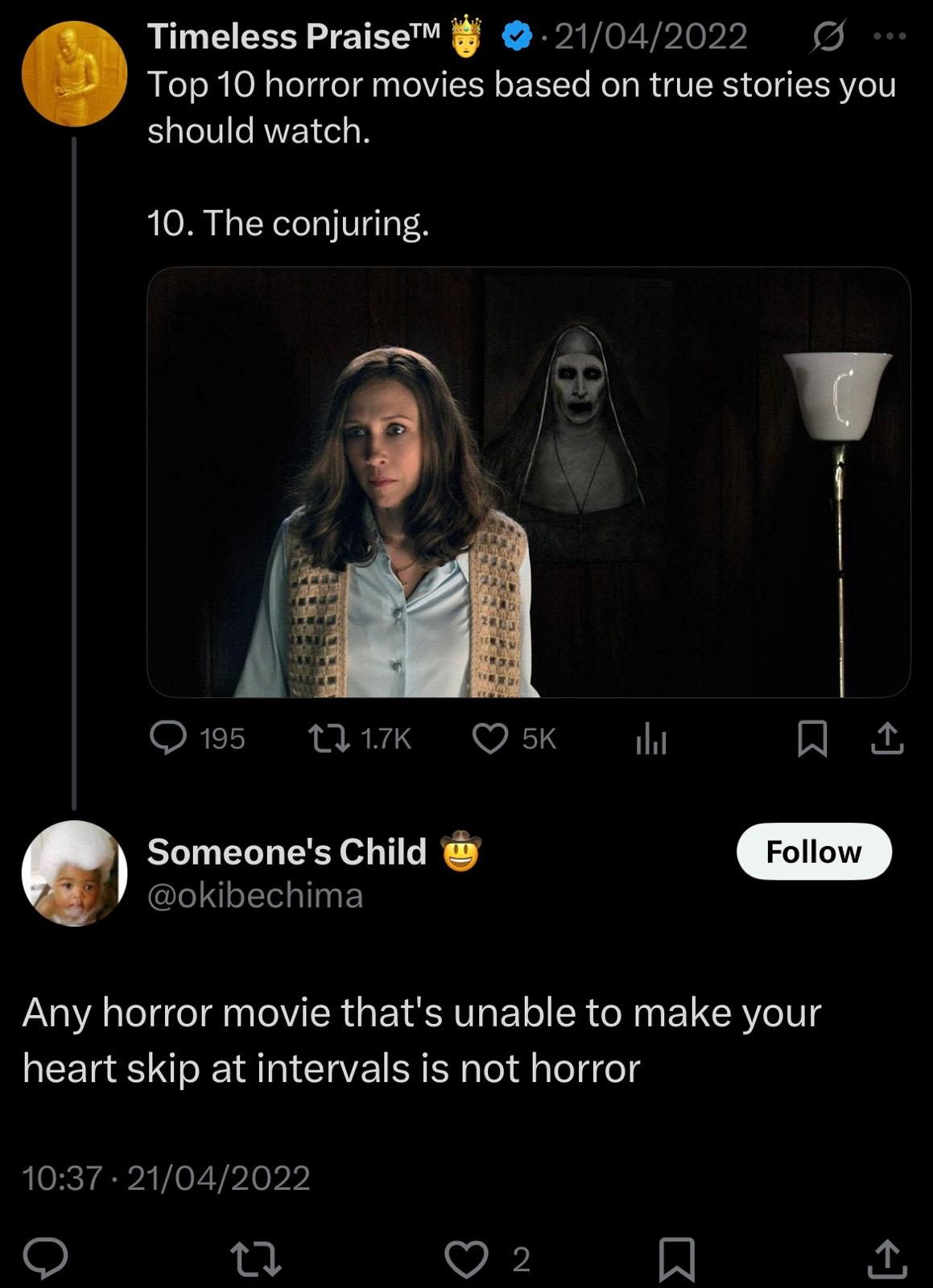
we will examines why we crave “real” horror, how true events are transformed into commercial products, and whether Hollywood crosses ethical boundaries when turning faith, crime, and tragedy into scares.
Horror’s Market Share Hits a Record 16.65%
Horror used to account for around 4–8% of the box office, but in 2025, it jumped to 16.65%, its highest level in 30 years. That means almost one in six cinema tickets sold that year was for a horror film.
Horror Booms While Other Genres Fall Behind
While genres like comedy, drama and action have struggled since Covid, horror has grown. In 2025 the genre made $1.22 billion, rising even as overall ticket sales across most genres stayed below pre-pandemic levels.
The rise of horror, especially films “based on true events,” reveals how strongly audiences respond to stories rooted in real fears. Even with fewer people going to the cinema overall, more of them are choosing horror, making it one of the only genres thriving in a shrinking theatrical market.
As film critic and writer Anne Bilson explains, horror thrives because it confronts the issues other genres avoid. Whether it’s grief in 'Hereditary', technology turning on us in 'M3GAN', cults in 'Midsommar', or real-world trauma woven into films like 'Get Out'. These stories feel close to home, which makes their impact even sharper. Even with fewer people going to the cinema overall, more of them are choosing horror because it offers a safe space to explore anxieties we’re already living with. It’s one of the only genres still growing in a shrinking theatrical market, and a reason why true story horror feels so irresistible today.
“Horror today is not just having a moment; it is revealing itself as the defining genre of the 21st century.”
- Anne Bilson -
The Exorcism of Emily Rose

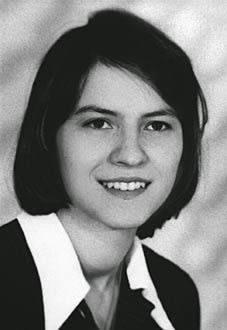
Anneliese Michel
Anneliese Michel
The Exorcism of Emily Rose is another case where a real story was transformed into cinematic horror to heighten fear... and controversy.
The 2005 horror film 'The Exorcism of Emily Rose' is partly depicted from a real exorcism performed on a young German girl, Anneliese Michel, who underwent around 70 exorcisms before her passing.
She was raised in a strictly religious household in Bavaria, and as a teenager she began suffering from disturbing visions, hallucinations, and violent physical episodes that doctors later linked to epilepsy and severe psychological illness. As her condition escalated, she developed increasingly extreme behaviors from hurting herself to growling, hiding, and eating things that weren’t food, which convinced her family she was dealing with something supernatural rather than medical. Believing she was possessed, her parents turned to the Catholic Church, and in 1975 two priests carried out almost 70 exorcism rituals.
During these sessions she was said to speak in unfamiliar voices and show markings her family interpreted as spiritual signs. Her health collapsed under the strain, and in 1976 she died from starvation and dehydration.
Her parents and the priests were later convicted of negligent homicide, prompting the Church to tighten its rules on exorcism and require more medical oversight. Years later, Anneliese’s mother still defended the decision, saying she believed her daughter’s suffering had a divine purpose.

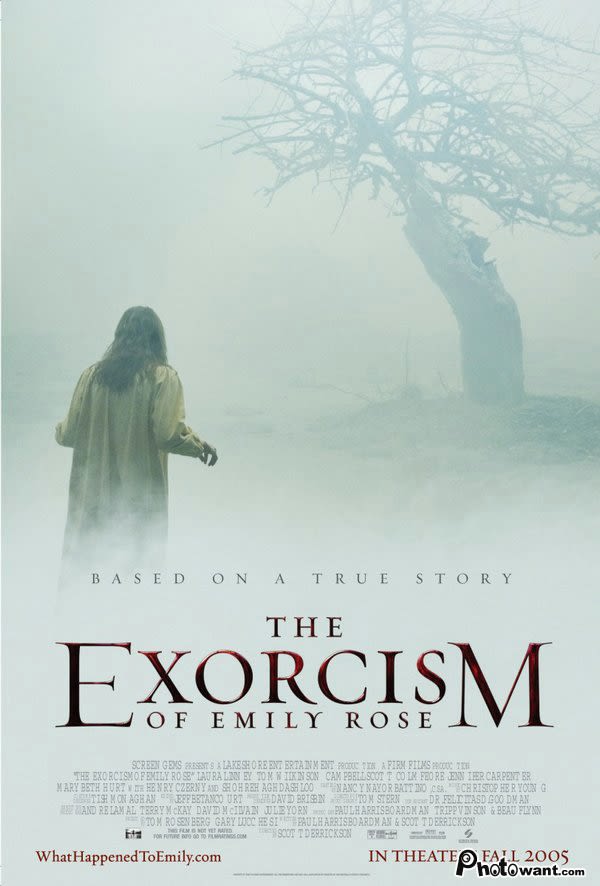
Although the movie changes Anneliese Michel’s name and many details, it still relies heavily on her real case to market itself as “based on true events.” By turning a complex mix of medical, psychological, and religious conflict into a dramatic supernatural courtroom thriller, the film creates just enough distance to avoid direct exploitation while still using the real story to heighten fear and curiosity.
The Blair Witch Project
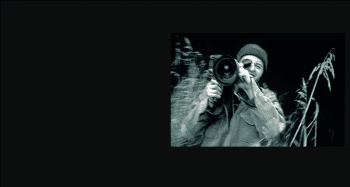
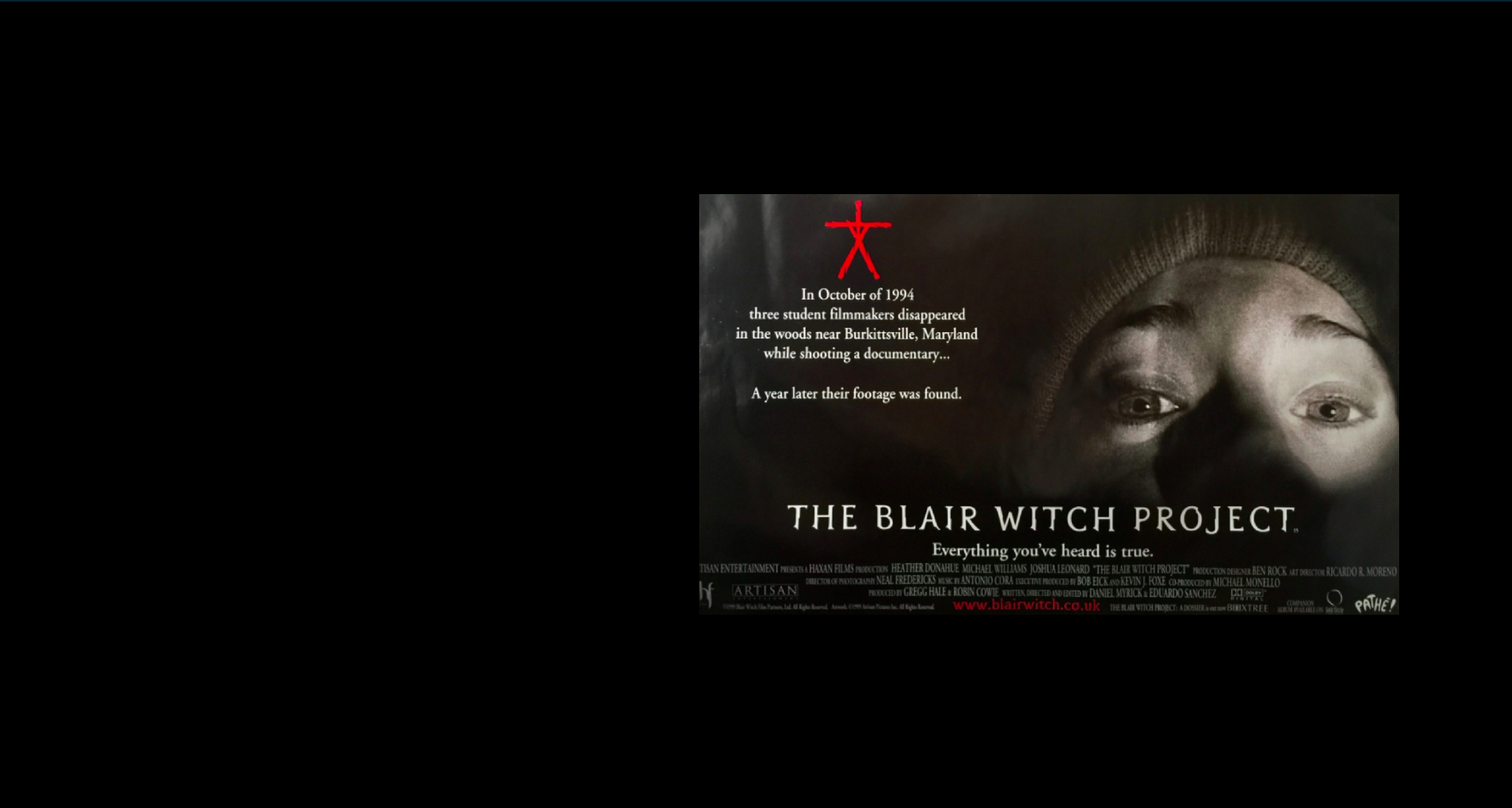
The Blair Witch Project was one of many films that marketed their movie a an authentic story. Although it wasn't based on a true story, It became a box-office phenomenon because its marketing convinced people the story might be real.
The filmmakers built fake police files, interviews, and a website about three “missing” students, turning the movie into an event people felt they had to investigate, not just watch.
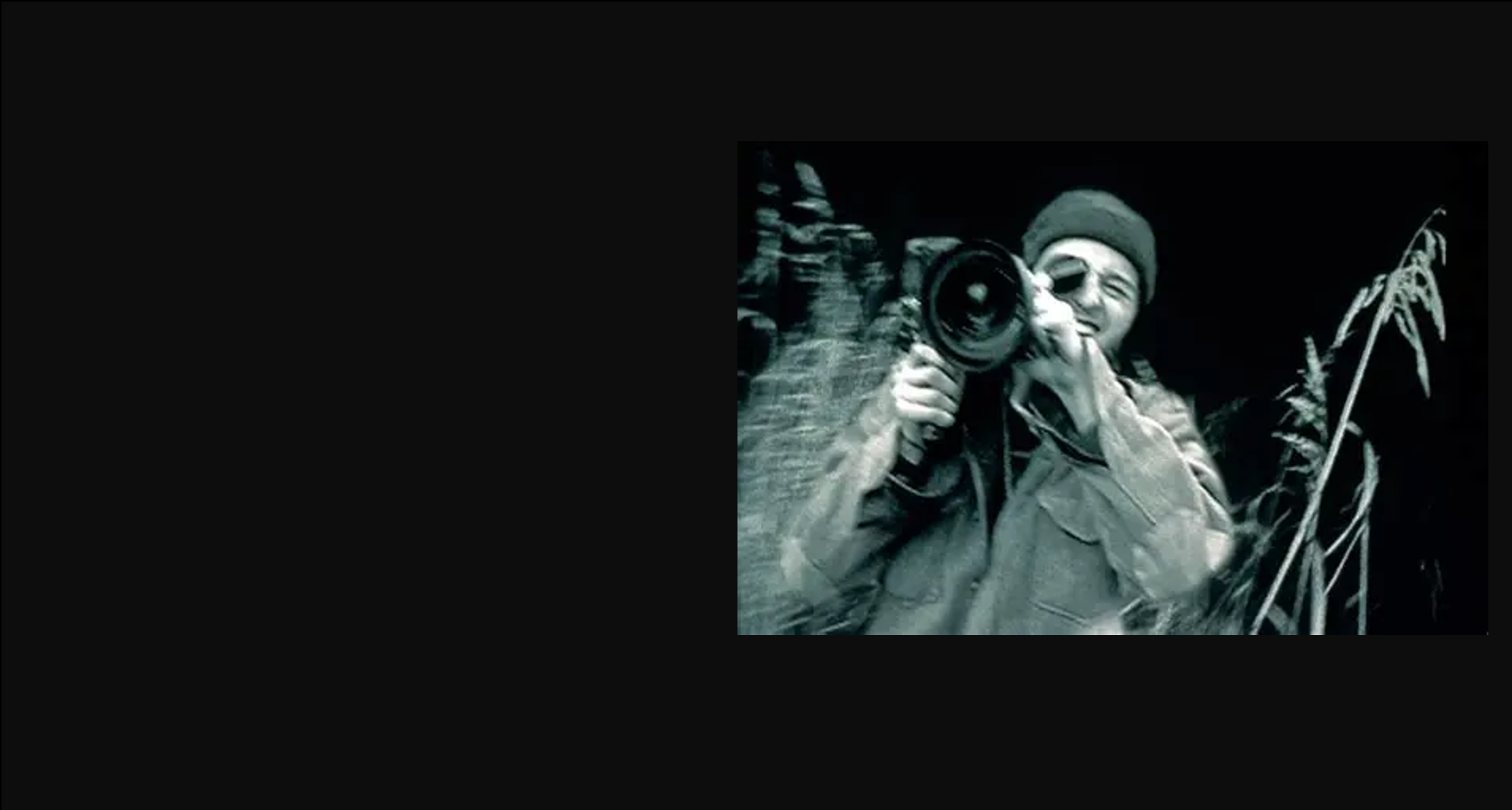
The actors kept their real names, filmed themselves, and improvised everything, which made their fear look unscripted and authentic. Their profiles on IMDb are marked as "deceased," which adds realism to the story.
That raw, unpolished footage felt less like a movie and more like evidence, pulling audiences deeper into the illusion that something truly sinister had happened in those woods.
The Blair Witch Project ranks 3rd highest grossing horror film from 1995 to 2025, adjusted for ticket-price inflation, earning more than $312 million on a micro-budget. Its success didn’t just come from effects or the acting , but from the irresistible question of whether the story was real. By blurring fact and fiction, Blair Witch proved how profitable “real terror” can be.



Do you think horror films should use real life events ?
Religion as a Source of Fear in Horror


When exploring how horror films borrow from real events to generate fear, and often profit, religion becomes one of the most potent and frequently exploited tools in the genre. Religious institutions carry centuries of mythology, strict moral codes, and stories of miracles and damnation that already live in the public imagination. Horror doesn’t need to invent new monsters when it can draw on angels, demons, possession, and the threat of divine punishment concepts many audiences have grown up believing to some extent. This makes religion a ready made framework for fear, creating tension around good and evil, salvation and suffering, faith and doubt.
Matt Rogerson’s The Vatican Versus Horror Movies offers an illuminating look at why religion has such a powerful grip on horror storytelling. His research reveals that the Catholic Church spent decades pushing back against horror films, not purely because they involved demonic forces or occult themes, but because these films often confronted anxieties the Church itself contributed to: spiritual guilt, moral hypocrisy, abuses of power, and the fear of eternal consequences. By tracing the Church’s attempts to censor and control what audiences could see, Rogerson highlights a long, complicated relationship in which horror and religion constantly react to one another.

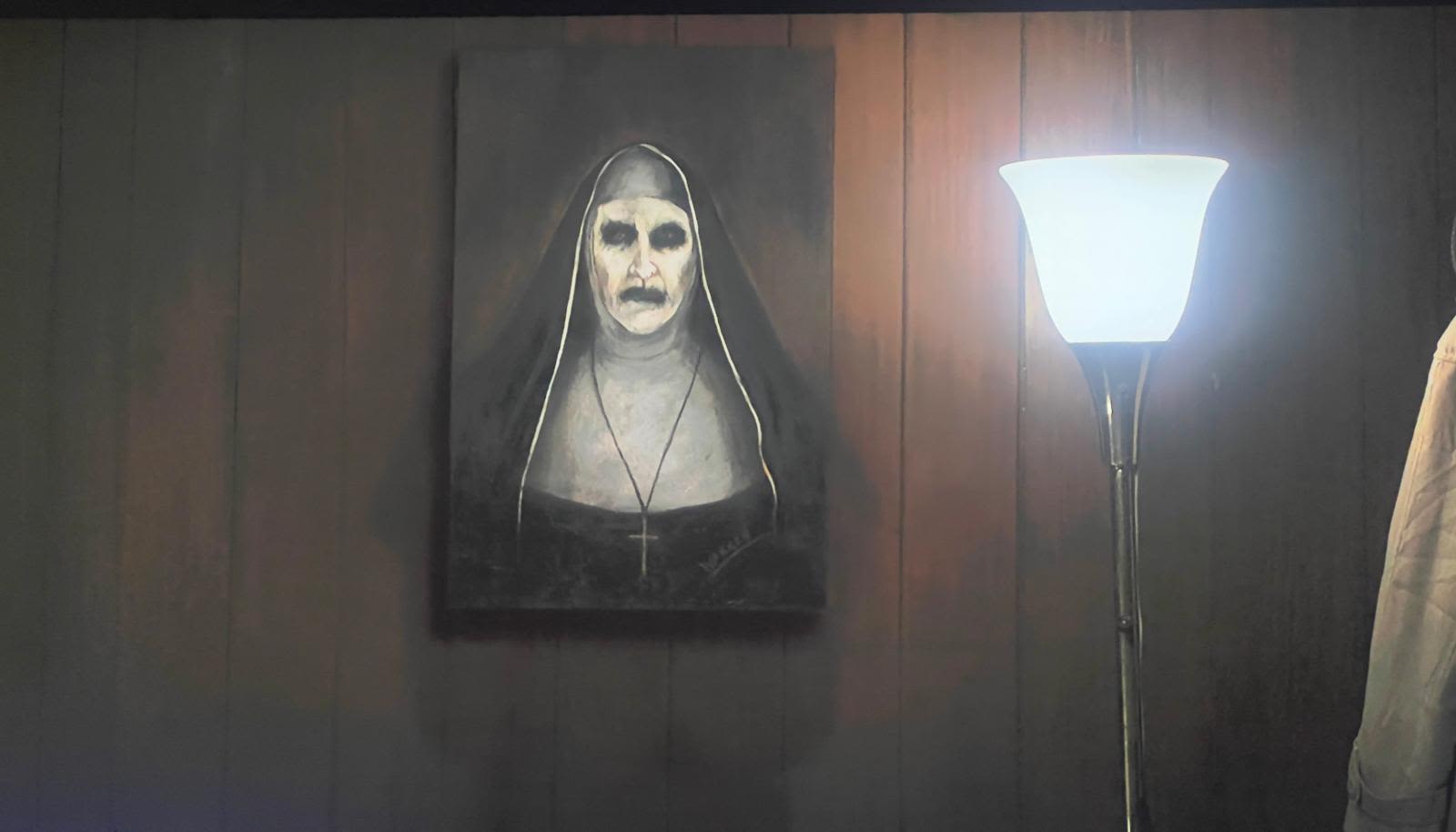
The book shows that as much as religious institutions tried to silence horror, filmmakers often responded by using Catholic imagery even more boldly, turning priests, rituals, and exorcisms into dramatic symbols of fear and authority. This history helps explain why religious horror remains so enduring and profitable today. Stories of possession, miracles, and supernatural judgement tap into culturally embedded fears that don’t require explanation; audiences already understand the stakes.
All of this ties back to whether horror relies on real religious beliefs, real scandals, or real fears of spiritual punishment; is it offering genuine commentary on faith and power, or exploiting deeply held beliefs simply because they sell? The tension between sacred tradition and cinematic shock continues to shape some of the genre’s biggest hits, raising important questions about where inspiration ends and exploitation begins.


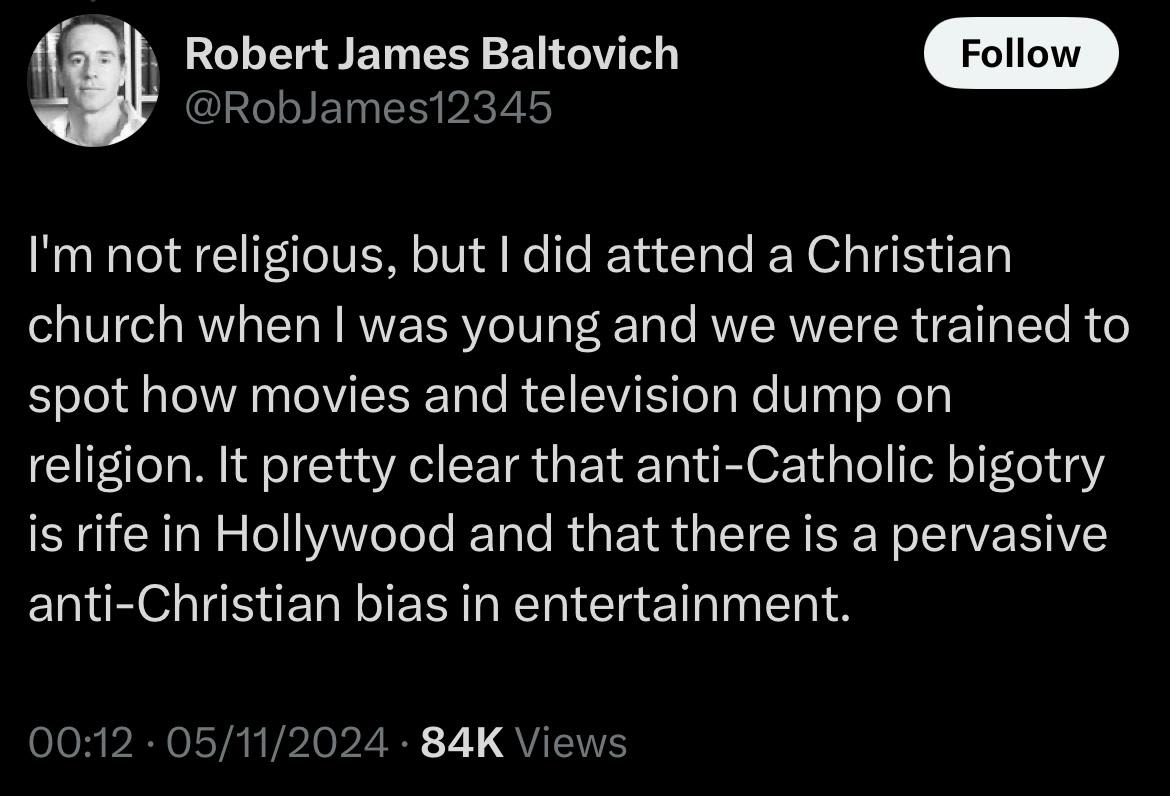
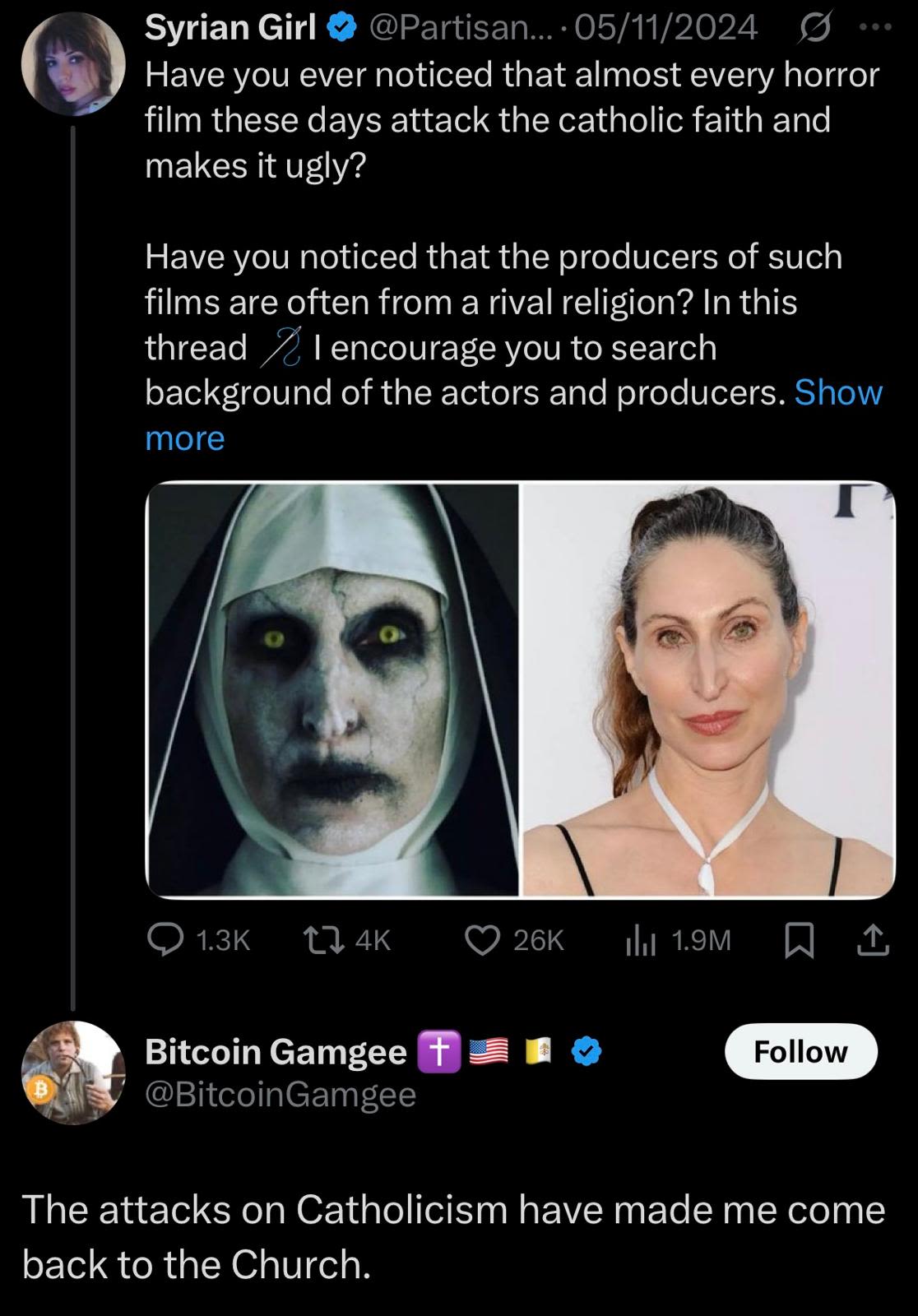
Even outside academic discussion, the debate about religion in horror is alive online, and there are tweets that highlight the strong opinions audiences hold about how Catholicism is portrayed on screen. This ongoing conversation raises the same question at the heart of this blog: do horror films use religion thoughtfully, or are they exploiting deeply held beliefs for entertainment?
To explore this, we hear from a priest, who explains how these portrayals relate to real faith and culture:


Horror based on real events blurs the line between truth and fear, pushing us to face what unsettles us in both movies and real life. As the genre keeps shifting, shaped by changing beliefs, cultural worries, and our obsession with authenticity, it shows that horror is never just entertainment. It evolves with us, asking not only what scares us, but why we choose to explore those fears at all.
 Built with Shorthand